Art Best in category 3 results Storyboarding AI Tool

Popular AI tools in the Storyboarding field of Art include LTX Studio、StoryboarderAI、Shai Creative, etc., helping you quickly improve efficiency.

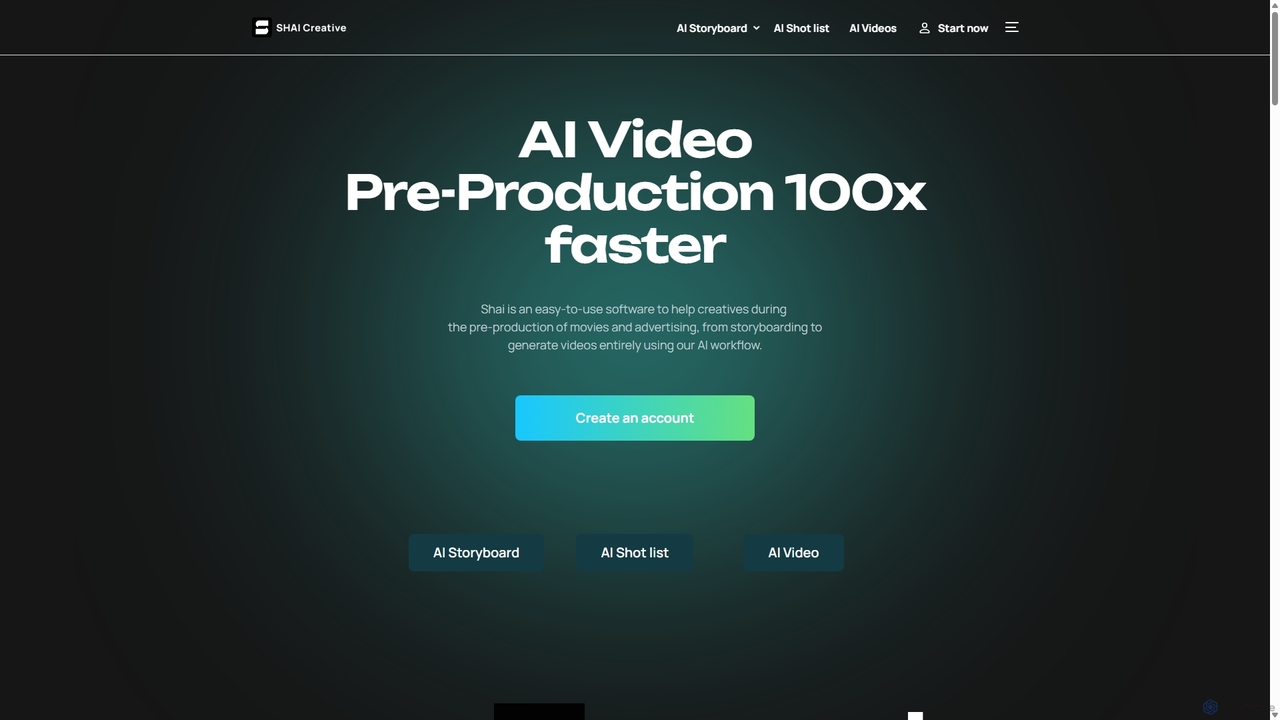
Shai Creative

Shai Creative

Shai Creative is an AI-powered pre-production platform designed for filmmakers and advertisers. It transforms scripts into detailed storyboards, …

45.6K
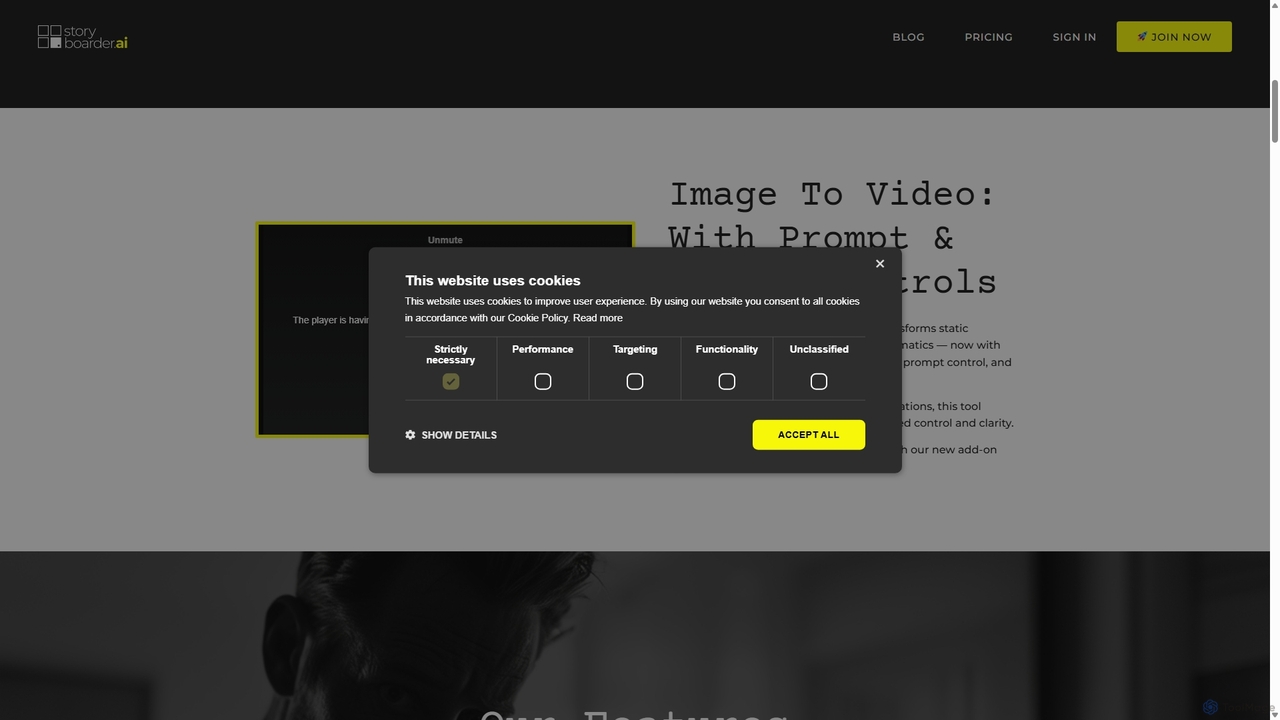
StoryboarderAI

StoryboarderAI

StoryboarderAI is an AI-powered platform that revolutionizes the pre-production process for filmmakers and creators. It transforms ideas, scripts, …

127.6K
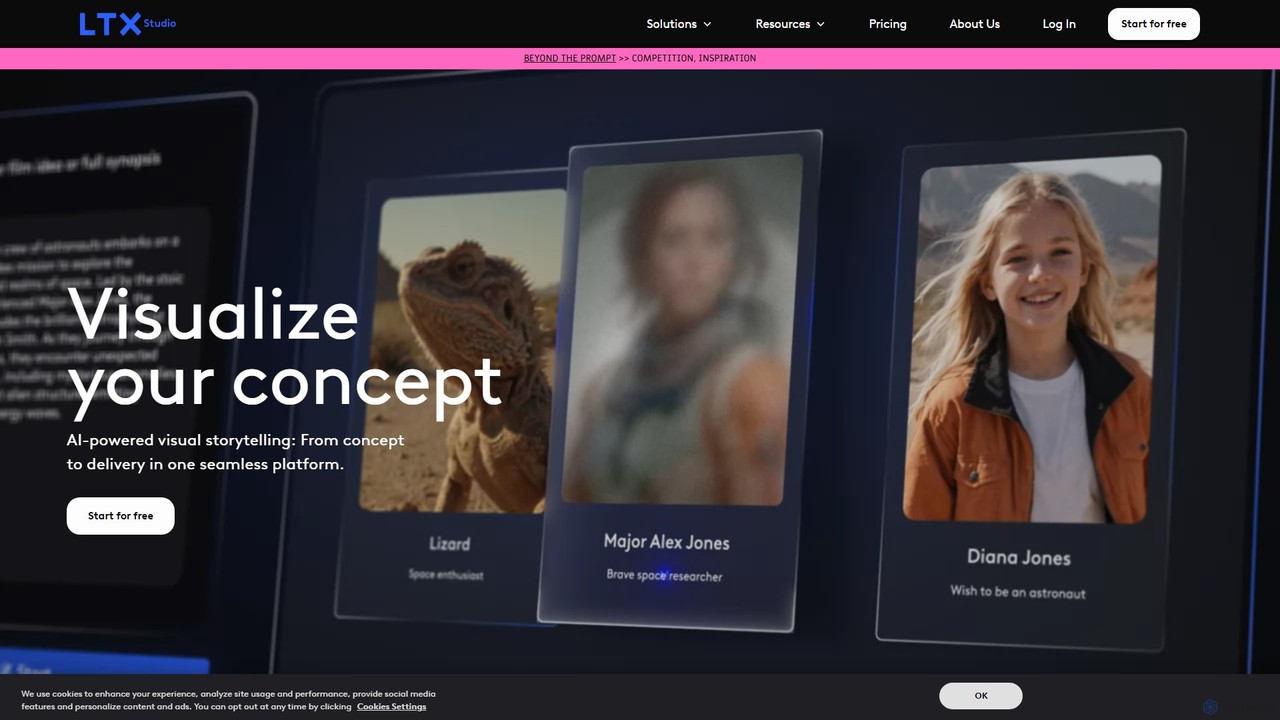
LTX Studio

LTX Studio

LTX Studio is an AI-powered visual storytelling platform that transforms ideas and scripts into complete videos. It streamlines …

902.6K

About Storyboarding

Storyboarding tools are AI-powered applications designed to visualize narratives and sequences for various creative projects. These tools leverage artificial intelligence to transform textual descriptions or basic sketches into detailed visual panels, streamlining the pre-production process. They enable creators to rapidly conceptualize scenes, plan camera angles, and define character actions, significantly accelerating the development of films, animations, games, and marketing content.

Core Features

  • Automated Panel Generation: Converts text descriptions or script segments into visual storyboard panels.
  • Character & Environment Synthesis: Generates diverse character poses, expressions, and background environments based on prompts.
  • Visual Style Consistency: Applies a unified artistic style across all panels, maintaining visual coherence.
  • Dynamic Layout & Timing: Suggests optimal panel layouts and helps synchronize visuals with dialogue or audio cues.
  • Iterative Design & Feedback: Facilitates quick modifications and allows for collaborative feedback on visual sequences.

Applicable Scenarios

These tools are invaluable for filmmakers, animators, game designers, and marketing professionals. They are used to quickly draft visual narratives for film pitches, plan complex animation sequences, visualize game cutscenes, or create compelling ad campaigns. Their ability to rapidly prototype visual ideas makes them essential for accelerating creative workflows in the art and media industries.

Selection Criteria

When selecting an AI storyboarding tool, consider its integration capabilities with existing creative software, the breadth of its visual generation styles, and its ease of use for rapid prototyping. Evaluate the flexibility in customizing generated elements, the collaboration features for team projects, and the pricing model based on your project scale and frequency of use. Prioritize tools that offer a balance of creative control and AI-driven efficiency.

StoryboardingUse Cases

1

Rapidly Visualize Film Scenes for Pitches

Filmmakers and directors can input script segments or scene descriptions into AI storyboarding tools to generate preliminary visual sequences. This allows for quick exploration of camera angles, character blocking, and mood, providing a tangible visual aid for pitching concepts to producers and investors, significantly reducing the time spent on manual drawing and revision cycles.

2

Streamline Animation Sequence Development

Animation studios utilize these tools to break down complex animated scenes into manageable panels. Artists can describe character actions, expressions, and environmental changes, letting the AI generate initial storyboards. This helps in planning keyframes, timing and transitions, ensuring a smooth workflow from concept to final animation, and allows for early identification of potential visual challenges.

3

Design Immersive Game Cutscenes

Game designers employ AI storyboarding to conceptualize and iterate on in-game cinematic sequences. By providing narrative prompts and character models, they can quickly generate visual flows for cutscenes, exploring different camera movements and emotional beats. This accelerates the pre-production phase, allowing teams to visualize the player's experience and refine storytelling elements before committing to full 3D rendering.

4

Create Engaging Visuals for Marketing Campaigns

Marketing teams leverage AI storyboarding to develop compelling visual narratives for advertisements, social media campaigns, and promotional videos. They can input campaign messages and target audience profiles to generate diverse visual concepts, testing different scenarios and emotional impacts. This helps in crafting impactful stories that resonate with consumers, ensuring brand consistency and message clarity across various platforms.

5

Accelerate Comic Book Panel Layout

Comic book artists and writers use AI storyboarding to quickly lay out pages and panel sequences. By inputting script dialogue and action descriptions, the tools can suggest panel arrangements, character placements, and speech bubble integration. This speeds up the initial drafting phase, allowing creators to focus on narrative flow and character development, while ensuring dynamic and engaging visual storytelling.

6

Visualize Complex Concepts for Educational Content

Educators and instructional designers can use AI storyboarding to create clear and engaging visual explanations for complex topics. By describing concepts, processes, or historical events, the tools generate sequential visuals that aid comprehension. This is particularly useful for e-learning modules, explainer videos, and interactive presentations, making abstract ideas more accessible and memorable for learners.

StoryboardingFrequently Asked Questions