ToolMage
Sign in

Best 6 Storytelling AI tools for Art

Popular Storytelling AI tools in Art include AI Novelist, novelistai, DreamDraft, fabled.ai, izsit, and books_by_ai, helping you work more efficiently.

AI Novelist
Freemium

AI Novelist

AI Novelist (AIのべりすと) is a powerful AI-driven writing assistant designed for creating novels, stories, and scripts. It excels at generating human-like text in various genres, particularly Japanese light novel styles. Users can co-write with the AI, overcome writer's block, and even generate accompanying images, making it a comprehensive tool for authors and creators.

Storytelling
Visits 930.9KFavorites 119Likes 122
novelistai
Freemium

novelistai

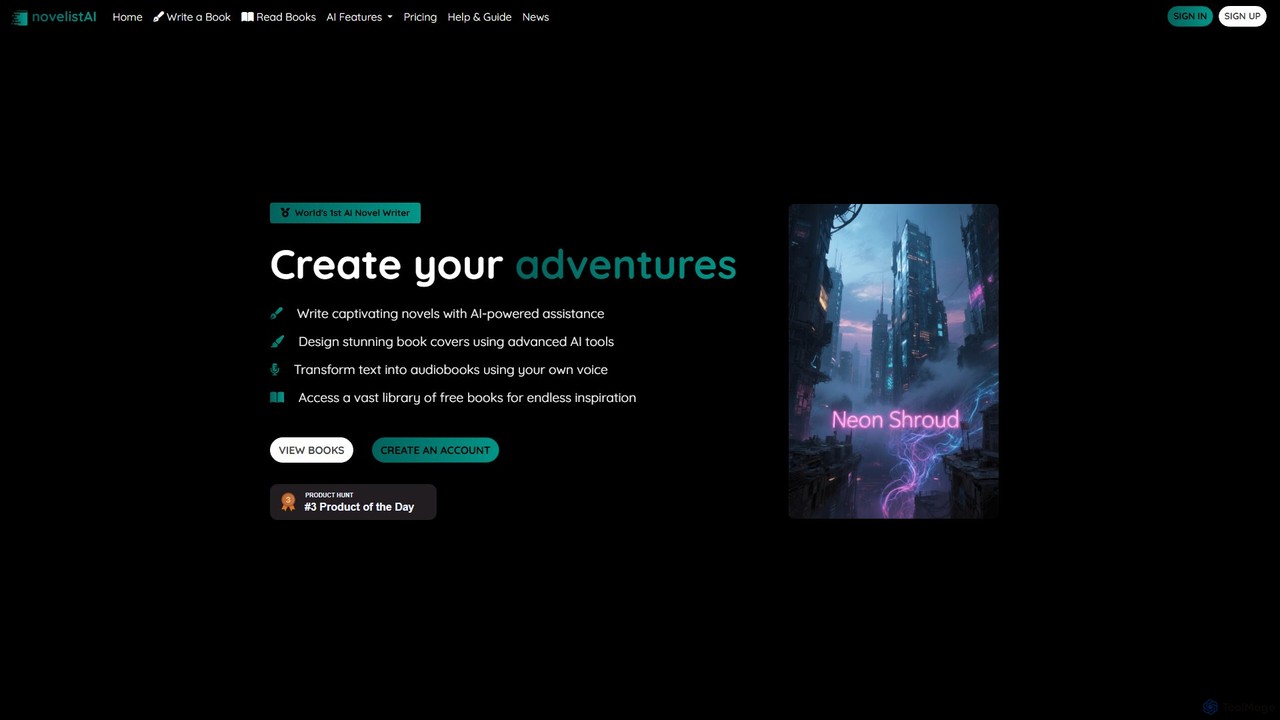
NovelistAI is an all-in-one AI-powered platform for creative writing. It helps users write novels, gamebooks, and scripts, generate stunning book covers, and convert text into immersive audiobooks. Supporting over 88 languages and multiple AI models, it's designed for both aspiring and professional writers.

Storytelling
Visits 39.1KFavorites 128Likes 142
izsit

izsit

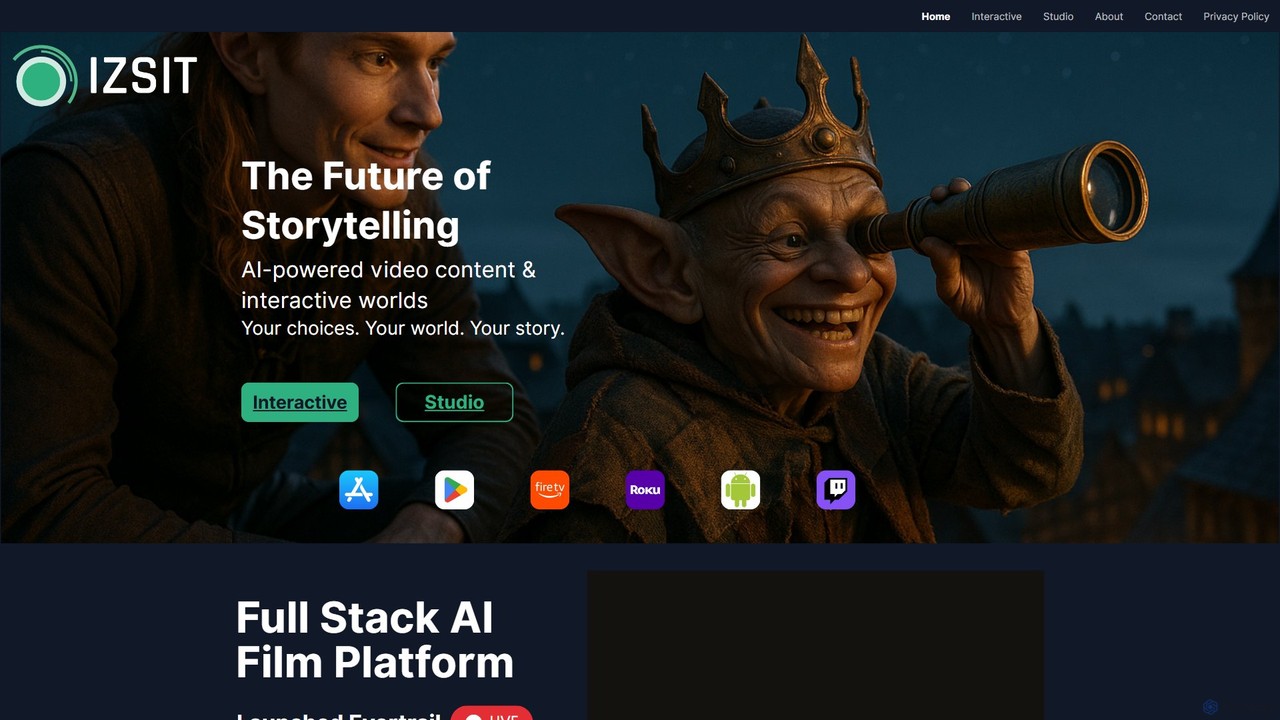
izsit is a revolutionary AI-powered interactive studio that redefines storytelling. It enables creators to produce full-stack cinematic experiences, including films, series, and music videos, in real-time. With its unique Evertrail LIVE engine, audiences can actively shape the narrative, making each viewing a personalized and immersive journey.

Storytelling
Visits 5.6KFavorites 106Likes 111
DreamDraft
Paid

DreamDraft

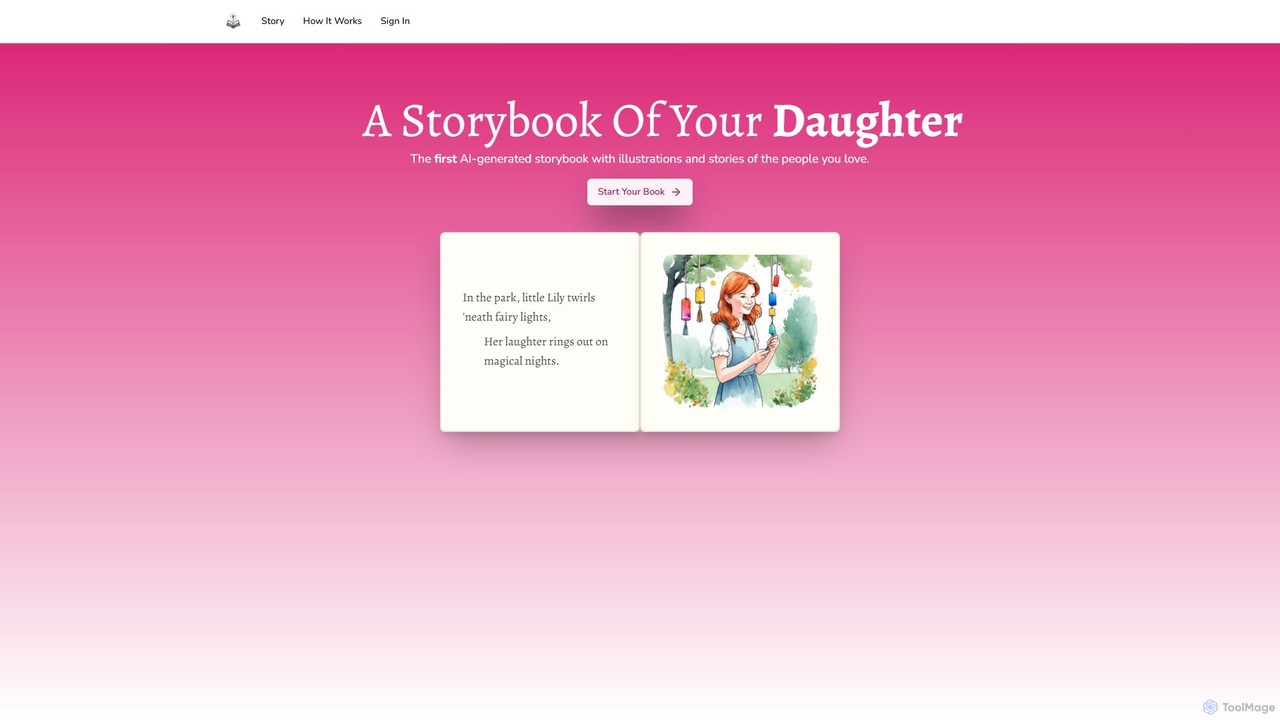
DreamDraft is an AI-powered tool that transforms your photos and story ideas into beautifully illustrated, personalized storybooks. Create a unique book featuring your loved ones as the main characters, complete with custom narratives and AI-generated art.

Storytelling
Visits 5.7KFavorites 121Likes 119
books_by_ai
Freemium

books_by_ai

books_by_ai is an AI-powered platform designed for authors, writers, and creators to generate complete books, from plot outlines to full chapters. By leveraging advanced language models, it helps overcome writer's block, develop compelling narratives, and accelerate the book creation process. Ideal for fiction, non-fiction, and children's stories, it transforms simple ideas into fully-realized literary works.

Storytelling
Visits 5.6KFavorites 127Likes 125
fabled.ai
Freemium

fabled.ai

fabled.ai is an AI-powered narrative engine designed for writers, game developers, and creators. It helps generate compelling stories, intricate characters, and rich worlds from simple prompts, transforming your creative ideas into fully-realized narratives and concept art.

Storytelling
Visits 5.6KFavorites 133Likes 135

About Storytelling

AI Storytelling tools are a specialized class of software designed to assist in the creation, development, and structuring of narratives. These tools leverage advanced generative AI and large language models to generate plot points, character arcs, dialogue, and even entire scenes based on user prompts. They serve as creative partners, helping writers, marketers, and game developers overcome creative blocks, explore diverse narrative possibilities, and streamline the writing process. Unlike general writing assistants, they are equipped with features specifically for building coherent and engaging stories.

Core Features

  • Plot Generation: Creates structured story outlines, key plot points, and unexpected twists to build a compelling narrative framework.
  • Character Development: Generates detailed character profiles, including backstories, motivations, personality traits, and relationship dynamics.
  • Dialogue & Scriptwriting: Crafts natural-sounding conversations between characters and formats text into standard screenplay or script layouts.
  • World-Building Assistance: Helps create detailed settings, histories, cultures, and rules for fictional worlds to ensure consistency.
  • Narrative Structuring: Organizes scenes and chapters according to established storytelling structures, such as the three-act structure or hero's journey.

Use Cases

These tools are valuable for screenwriters developing film or television scripts, novelists outlining their next book, and game designers creating branching narratives and quests. Marketers also use them to craft compelling brand stories and advertising campaigns. Educators can employ them to create interactive learning scenarios and engaging educational content.

How to Choose

When selecting an AI Storytelling tool, consider its primary focus—whether it excels at screenwriting, long-form prose, or interactive fiction. Evaluate the level of user control over the AI's output and its ability to maintain character and plot consistency. Also, check for integration capabilities with other writing software and whether its pricing model aligns with your project's scope and frequency of use.

Storytelling use cases

1

Brainstorming a Pilot Episode Script

A screenwriter is tasked with creating a concept for a new sci-fi TV series but is struggling with the initial premise. Using an AI Storytelling tool, they input core themes like 'artificial consciousness' and 'corporate espionage'. The AI generates five distinct loglines and character archetypes. The writer selects the most promising concept and asks the tool to expand it into a three-act structure outline, complete with potential plot twists for the pilot episode. This process transforms a blank page into a structured foundation in a matter of hours, not days.

2

Crafting a Compelling Brand Origin Story

A marketing team for a sustainable fashion startup wants to create an origin story that resonates with eco-conscious consumers. They provide an AI Storytelling tool with key facts: the founder's inspiration, the use of recycled materials, and the company's mission. The tool generates several narrative versions, one framed as a personal journey, another as a revolutionary movement. The team selects the 'personal journey' angle and uses the AI to refine the tone, add emotional details, and create short-form versions for social media, ensuring a consistent and powerful brand message across all channels.

3

Designing a Branching Narrative for a Game

A narrative designer for an indie RPG needs to create a complex side quest with multiple player choices and outcomes. They use an AI Storytelling tool to map out the main quest path. Then, for each decision point, they ask the AI to generate three possible branching paths, including dialogue variations and consequences for each choice. The tool helps visualize the entire narrative tree, ensuring that all paths are logical and eventually reconverge or lead to unique endings. This significantly speeds up the process of creating deep, replayable content.

4

Overcoming Writer's Block for a Novel

A novelist is halfway through their manuscript but feels stuck on a pivotal chapter where the protagonist must make a difficult choice. They describe the character's personality, the current situation, and the desired emotional tone to an AI Storytelling tool. The AI suggests three different scenarios for the chapter, each with unique dialogue and consequences. One of the suggestions, an unexpected act of defiance from the protagonist, sparks a new direction for the entire second half of the book, effectively breaking the writer's block and adding a new layer of complexity to the story.

5

Creating Interactive Educational Scenarios

An educator wants to create an interactive history lesson about ancient Rome for their students. Using an AI Storytelling tool, they set up a scenario where the student plays the role of a Roman senator. The educator defines key historical events as decision points. The AI then generates branching dialogues and outcomes based on historical accuracy. For example, a student's choice to support or oppose Caesar leads to different narrative paths, teaching them about political consequences in a dynamic and engaging way that a textbook cannot replicate.

6

Generating a Visual Storyboard for a Short Film

A film student has finalized the script for their short film but needs to create a storyboard for pre-production. They use an AI Storytelling tool that integrates with an image generator. For each scene in the script, they input the scene description, character actions, and desired camera angle. The tool generates a series of storyboard images in a consistent artistic style. This allows the student to quickly visualize the film's flow, identify potential pacing issues, and communicate their vision clearly to the cast and crew, saving significant time and resources compared to manual drawing.

Storytelling FAQ

What are AI Storytelling tools?

AI Storytelling tools are specialized software that use generative artificial intelligence to help create and structure narratives. Unlike general AI writers, they are designed with the principles of storytelling in mind. They can generate plot outlines, develop complex characters, write dialogue, and even help build fictional worlds. These tools act as a creative collaborator, assisting writers in brainstorming ideas, overcoming writer's block, and exploring different narrative paths efficiently.

How do AI Storytelling tools differ from general AI writing assistants?

The key difference lies in specialization. General AI writing assistants (like those for marketing copy or emails) focus on clarity, grammar, and tone for non-fiction content. AI Storytelling tools, however, are built for narrative craft. They include specialized features such as:

  • Plot and Structure Awareness: They understand concepts like three-act structure, character arcs, and pacing.
  • Character Consistency: They help maintain a character's voice, personality, and history throughout a long story.
  • Creative Exploration: They are designed to generate imaginative scenarios, plot twists, and 'what-if' possibilities rather than just factual text.
  • Format Specialization: Many tools can format output specifically for screenplays, novels, or game design documents.
How should I choose the right AI Storytelling tool?

Selecting the best tool depends on your specific needs. Consider the following factors:

  • Project Type: Are you writing a screenplay, a novel, a video game, or a marketing story? Look for tools that specialize in your desired format.
  • Level of Control: Do you want an AI that generates complete drafts, or one that provides suggestions and helps you brainstorm? Some tools offer more granular control than others.
  • Collaboration Features: If you work in a team, look for tools that allow for shared projects, comments, and version control.
  • Integration: Check if the tool can integrate with your existing writing software, like Scrivener, Final Draft, or Google Docs, to streamline your workflow.
Can AI write a complete, original novel or screenplay?

Currently, AI functions best as a co-creator or an advanced assistant rather than a fully autonomous author. While an AI can generate large volumes of coherent text, a truly compelling and original story requires human oversight for emotional depth, nuanced themes, and unique creative vision. Writers use these tools to accelerate drafting, generate ideas, and polish scenes, but the final artistic choices and the weaving of all elements into a resonant whole still rely on human creativity and judgment.

Who can benefit from using AI Storytelling tools?

A wide range of creators and professionals can benefit from these tools. This includes:

  • Authors and Novelists: For outlining plots, developing characters, and breaking through writer's block.
  • Screenwriters: For structuring scripts, writing dialogue, and exploring different scene variations.
  • Game Developers: For creating branching narratives, writing quest descriptions, and generating in-game lore.
  • Marketers and Advertisers: For crafting compelling brand stories and campaign narratives.
  • Educators and Trainers: For developing interactive learning modules and engaging educational content.