ToolMage
Sign in

Best 3 Brand Management AI tools

Popular Brand Management AI tools include Brand Aware, Ranksmith, and Dhanur AI, helping you work more efficiently.

Dhanur AI
Freemium

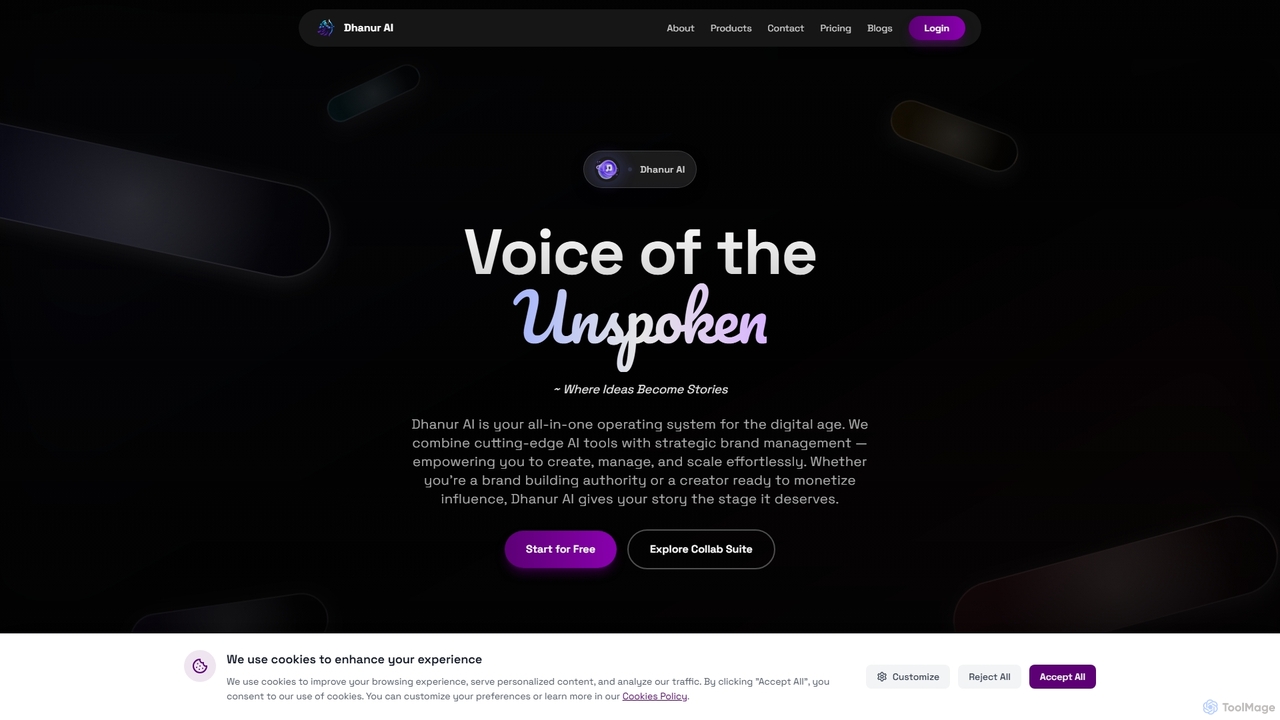
Dhanur AI

Dhanur AI is an all-in-one AI operating system designed for the digital age, empowering brands, agencies, and creators to effortlessly generate content, manage social media, oversee brand identity, and run influencer campaigns from a single, intuitive platform.

Music Generation
Visits 4.8KFavorites 77Likes 74
Ranksmith
Paid

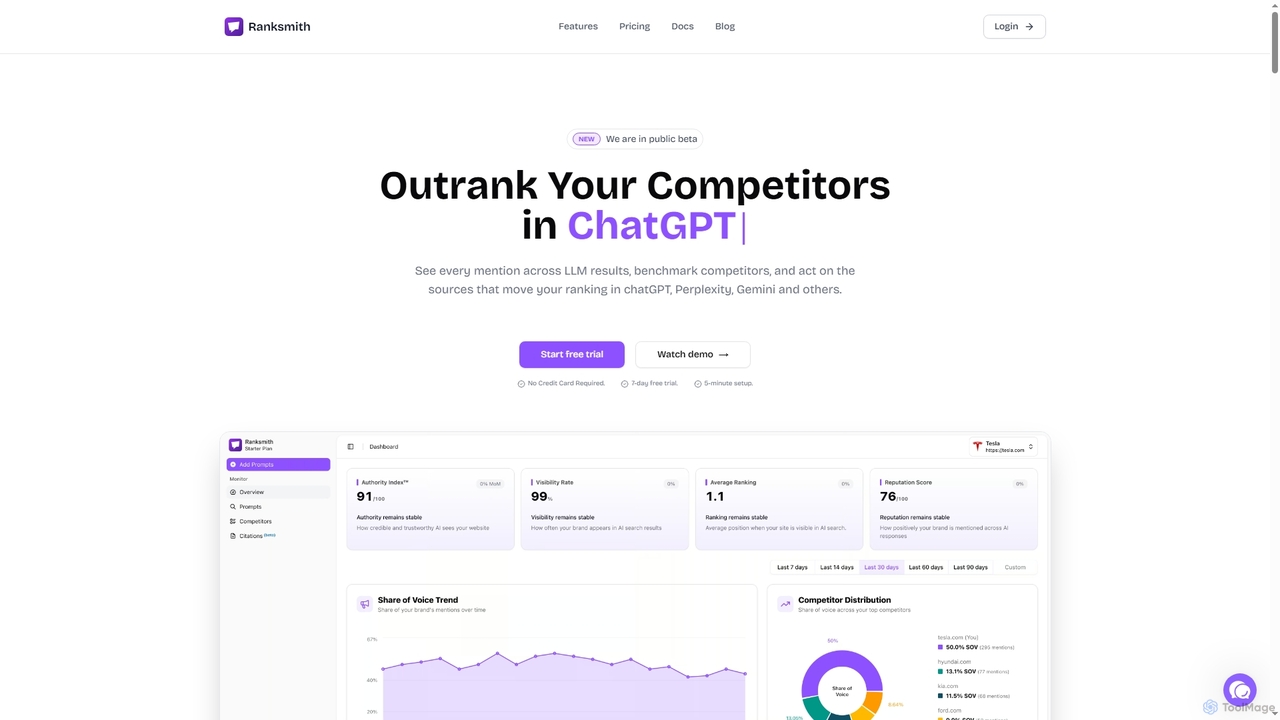
Ranksmith

Ranksmith is a Generative Engine Optimization (GEO) platform designed for the AI search era. It helps businesses monitor, analyze, and improve their brand's visibility, position, and sentiment across leading AI search engines like ChatGPT, Perplexity, Gemini, Claude, and Grok, turning LLM results into a measurable growth channel.

Competitor Analysis
Visits 5.2KFavorites 107Likes 116
Brand Aware

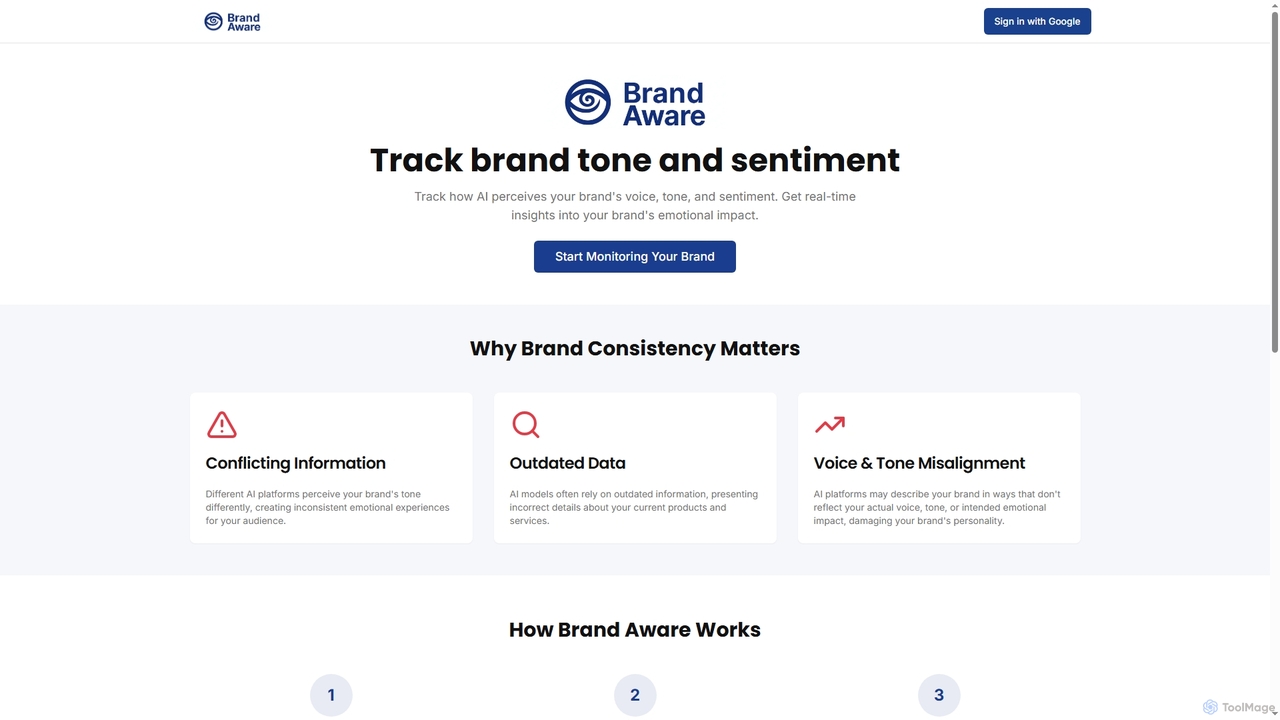
Brand Aware

Brand Aware is an AI-powered tracker that monitors how leading AI platforms perceive your brand's tone, sentiment, and factual accuracy. It provides real-time insights to identify inconsistencies, correct misinformation, and ensure your brand's digital identity remains consistent and on-message across OpenAI, Gemini, and Claude.

Sentiment Analysis
Visits 5.8KFavorites 118Likes 113

About Brand Management

Brand Management AI tools are AI-powered platforms designed to monitor, analyze, and optimize a brand's identity, perception, and reputation across various digital channels. Leveraging advanced technologies like natural language processing, sentiment analysis, and predictive analytics, these tools help businesses maintain brand consistency, protect their image, and gain actionable insights into market trends and consumer sentiment. They empower organizations to proactively manage their brand narrative, enhance customer engagement, and make data-driven decisions to strengthen their market position.

Core Features

  • Brand Monitoring & Listening: Tracks mentions, keywords, and sentiment across social media, news, reviews, and forums.
  • Reputation Management: Identifies and flags potential crises, allowing for timely responses and mitigation strategies.
  • Content Consistency & Generation: Ensures all marketing content aligns with brand voice and guidelines, sometimes assisting in content creation.
  • Market & Competitor Insights: Analyzes industry trends, competitor activities, and consumer preferences to inform strategy.
  • Brand Guideline Enforcement: Automatically checks content and visuals for adherence to established brand standards.

Applicable Scenarios

These tools are invaluable for marketing teams, PR professionals, and business leaders who need to maintain a strong, consistent brand presence. They are used for real-time reputation monitoring to prevent crises, ensuring unified messaging across all customer touchpoints, and understanding market dynamics to refine brand positioning and product development.

How to Choose

When selecting an AI Brand Management tool, consider its monitoring scope (channels covered), the accuracy of its AI-driven sentiment analysis, its integration capabilities with existing marketing and CRM platforms, and the depth of its reporting and analytics features. Evaluate scalability, ease of use, and pricing models to ensure it aligns with your organizational needs and budget.

Brand Management use cases

1

Real-time Online Reputation Monitoring

A PR manager at a consumer electronics company uses AI brand management tools to continuously scan social media, news outlets, and review sites for mentions of their brand. The AI identifies sudden spikes in negative sentiment or emerging issues, alerting the manager instantly. This enables rapid response to customer complaints or potential PR crises, protecting the brand's image and fostering trust.

2

Ensuring Consistent Brand Voice Across Channels

A global marketing team for a fashion retailer utilizes AI tools to ensure all content—from social media posts and email campaigns to website copy—adheres to the brand's specific tone and style guidelines. The AI analyzes text for consistency, suggesting edits to maintain a unified brand voice, which is crucial for a cohesive customer experience across diverse markets.

3

Competitive Brand Landscape Analysis

A product development team at a software company employs AI brand management tools to analyze competitor strategies, product launches, and customer feedback. The AI aggregates data from various sources, identifying gaps in the market, competitor weaknesses, and emerging trends. This intelligence helps the team refine their product roadmap and differentiate their brand effectively.

4

Proactive Crisis Prevention and Management

A corporate communications department uses AI to detect subtle shifts in public perception or early warning signs of a potential brand crisis, such as negative discussions gaining traction in niche forums. The AI's predictive analytics can flag these trends before they escalate, allowing the team to prepare statements, engage with influencers, or adjust messaging proactively.

5

Optimizing Marketing Campaigns with Brand Insights

A digital marketing specialist leverages AI brand management tools to understand which brand messages resonate most with different audience segments. By analyzing sentiment and engagement data from past campaigns, the AI provides insights into effective keywords, visual styles, and emotional appeals. This allows the specialist to optimize future campaigns for maximum brand impact and ROI.

6

Automated Brand Guideline Adherence for Content Creation

A large enterprise with numerous content creators and agencies uses AI to automatically check all generated content (text, images, videos) against predefined brand guidelines. The AI ensures correct logo usage, color palettes, typography, and messaging tone, significantly reducing manual review time and guaranteeing brand consistency across all external communications.

Brand Management FAQ

What are AI Brand Management tools?

AI Brand Management tools are software solutions that use artificial intelligence to help businesses monitor, analyze, and enhance their brand's presence and reputation. They leverage technologies like natural language processing and machine learning to track brand mentions, analyze sentiment, ensure content consistency, and provide insights into market trends, enabling proactive and data-driven brand strategy.

How do AI Brand Management tools work?

These tools typically work by continuously scanning vast amounts of online data, including social media, news articles, blogs, and review sites, for mentions of a brand, its products, or relevant keywords. AI algorithms then process this data to perform sentiment analysis, identify trends, detect anomalies, and categorize information, presenting actionable insights through dashboards and alerts.

What are the main benefits of using AI for Brand Management?

The main benefits include real-time reputation monitoring, enabling quick responses to feedback and crises; ensuring consistent brand messaging across all channels; gaining deep insights into consumer sentiment and market trends; automating routine tasks like content review for guideline adherence; and making data-driven decisions to strengthen brand equity and competitive advantage.

Who can benefit most from AI Brand Management tools?

Marketing professionals, PR specialists, social media managers, corporate communications teams, and business leaders across various industries can benefit significantly. Any organization focused on protecting its reputation, maintaining a consistent brand identity, understanding its audience, and optimizing its market position will find these tools invaluable.

How do AI Brand Management tools differ from traditional brand management methods?

AI Brand Management tools offer significant advantages over traditional manual methods by providing real-time, large-scale data analysis that is impossible for humans to achieve. They automate monitoring, offer predictive insights, and can process unstructured data (like sentiment in text) with high accuracy, leading to faster crisis detection, more consistent messaging, and more informed strategic decisions.