Business Best in category 5 results Asset Management AI Tool

Popular AI tools in the Asset Management field of Business include UpKeep、Zeitview、Pragma、UltimateApp、Similarix, etc., helping you quickly improve efficiency.

UpKeep

UpKeep

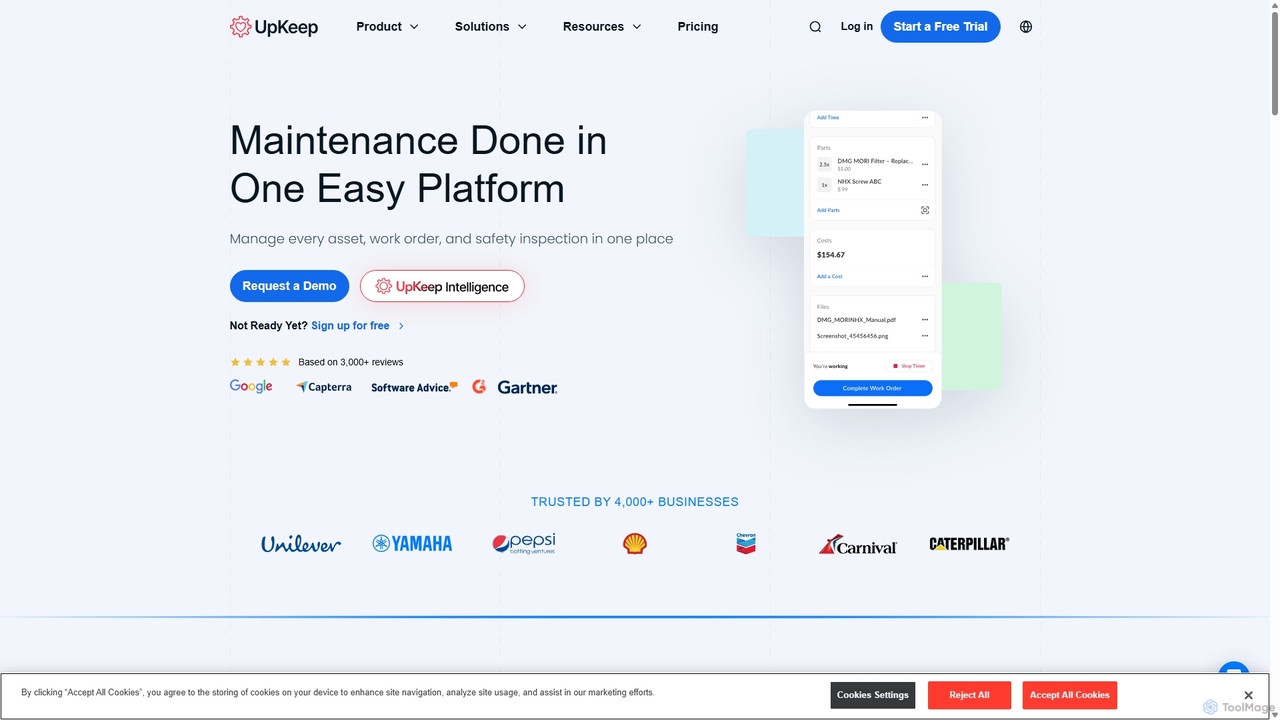
UpKeep is an AI-powered, mobile-first Asset Operations Management platform. It combines a CMMS, EAM, and IIoT software to …

134.3K
UltimateApp

UltimateApp

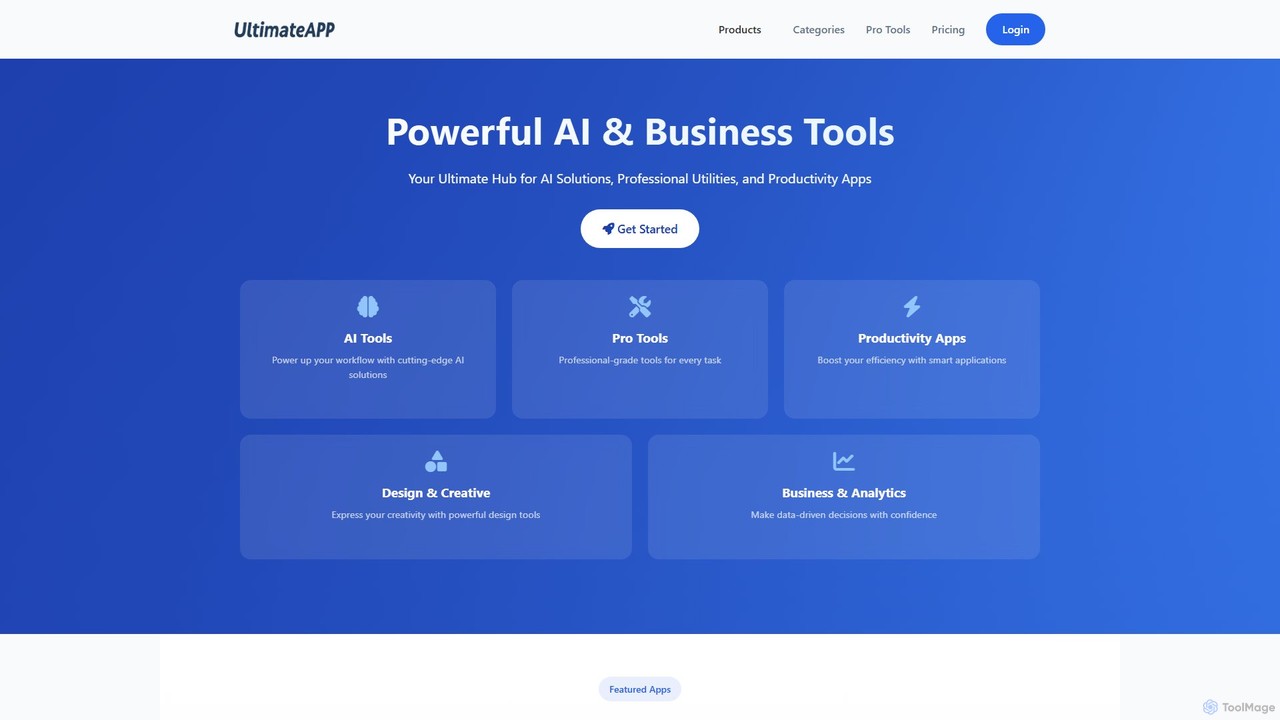
UltimateApp is an all-in-one web-based platform that centralizes over 50 AI and business tools. It's designed for creators, …

3.2K
Similarix

Similarix

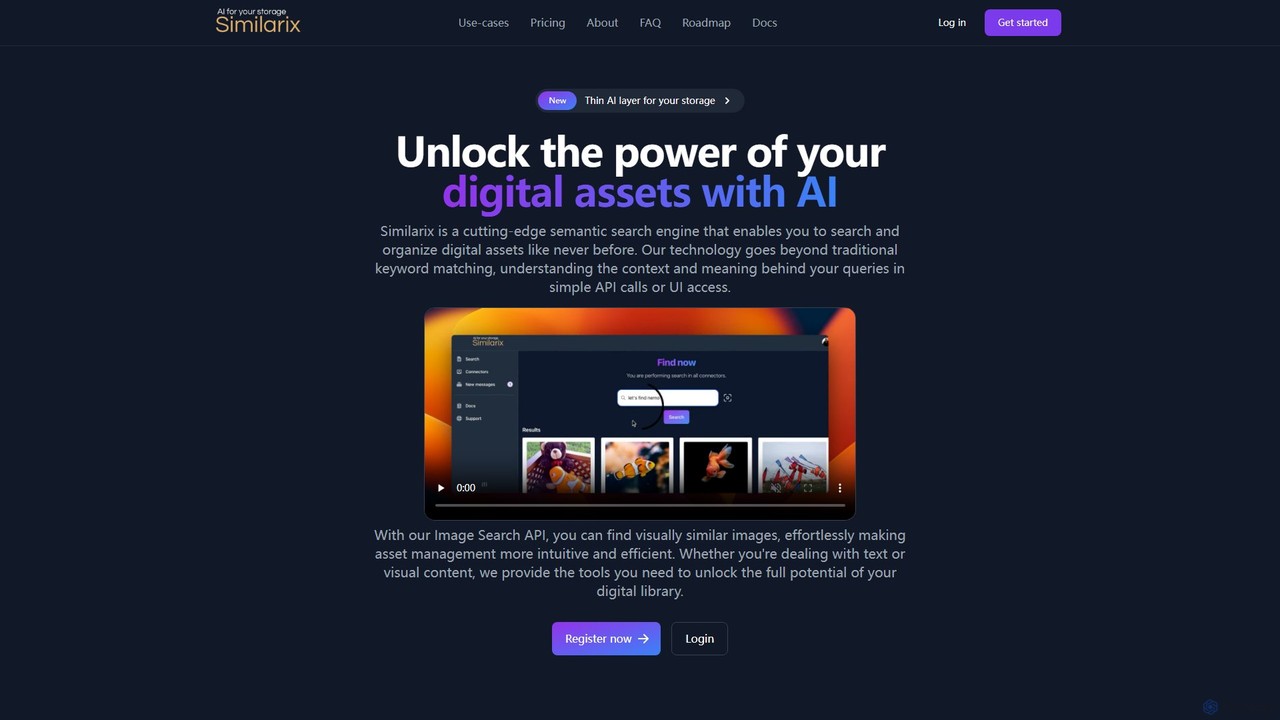
Similarix is an AI-powered semantic search engine that adds a thin intelligence layer to your S3 storage. It …

3.1K
Zeitview

Zeitview

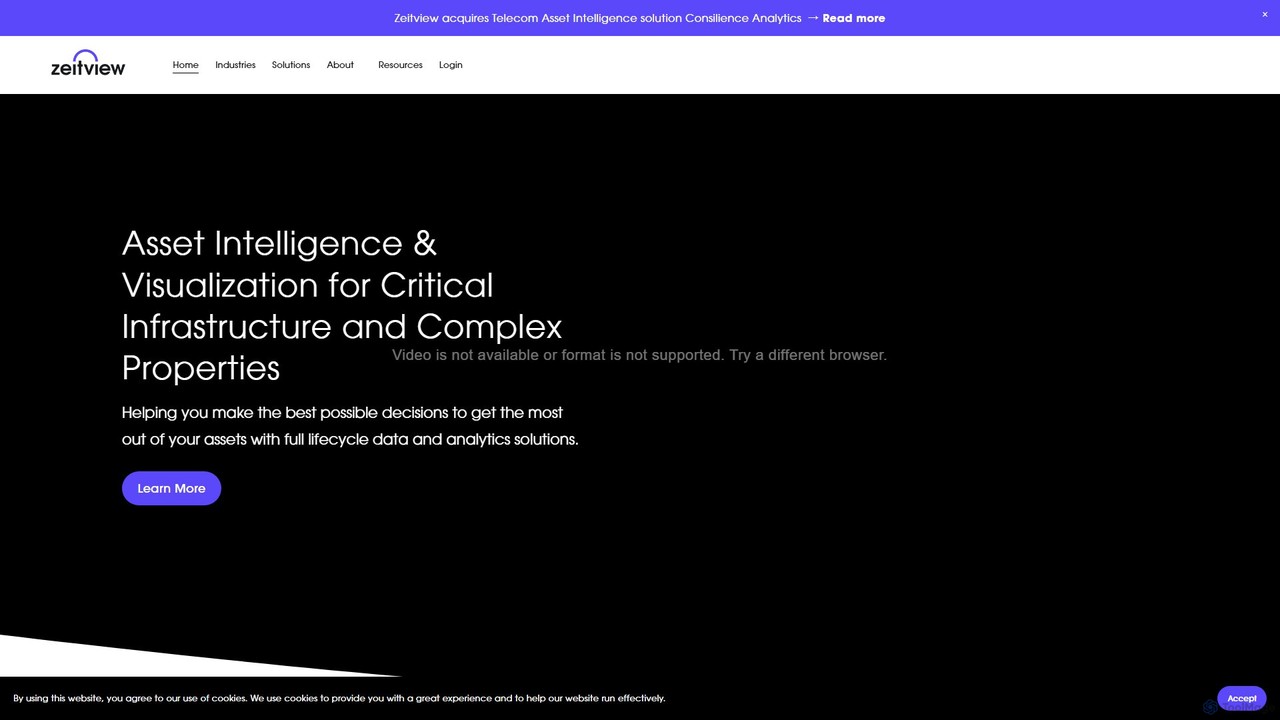
Zeitview provides AI-powered asset intelligence and visualization for critical infrastructure. By combining aerial data capture from drones and …

39.3K
Pragma

Pragma

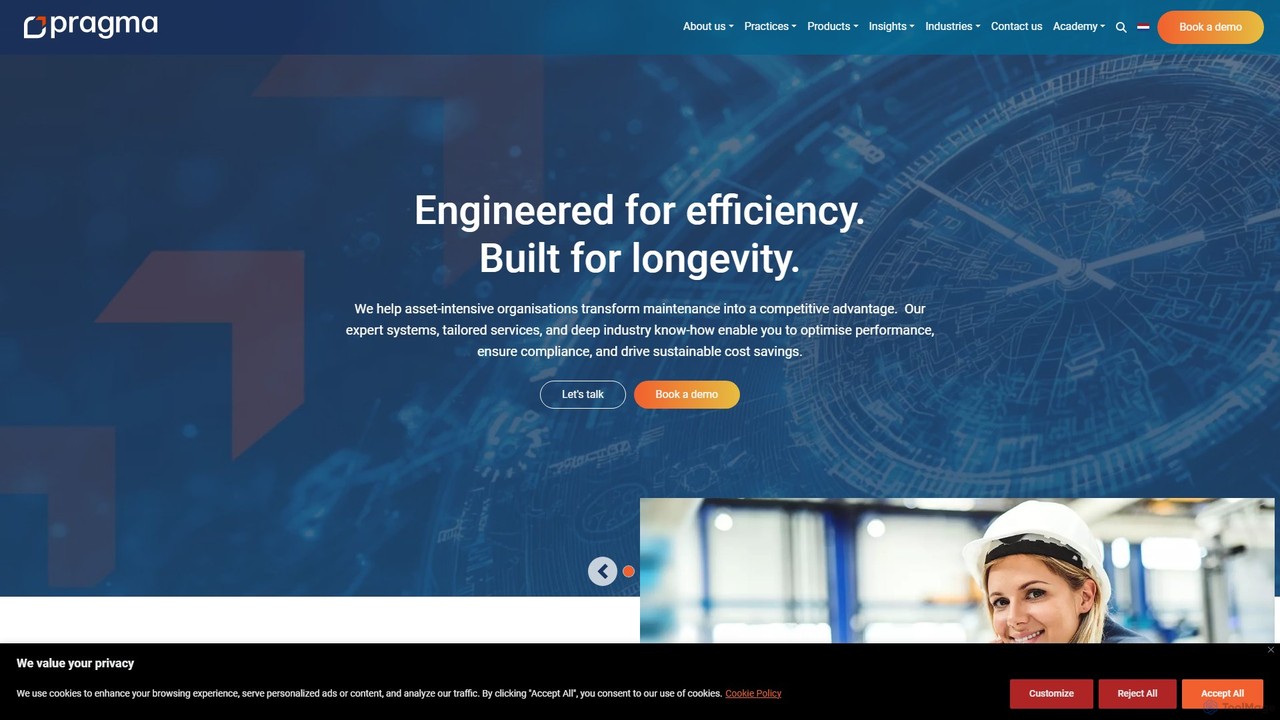
Pragma is an AI-powered Enterprise Asset Management (EAM) platform designed to optimize the entire lifecycle of physical assets. …

15.7K

About Asset Management

Asset Management tools leverage artificial intelligence to optimize the acquisition, utilization, maintenance, and disposal of an organization's assets. These AI-powered solutions analyze vast datasets, from sensor readings to market trends, to provide predictive insights and automate complex processes. They help businesses enhance operational efficiency, extend asset lifespans, mitigate risks, and maximize returns across physical, digital, and financial assets, positioning them as a critical component within the broader Business AI landscape.

Core Features

  • Predictive Maintenance: AI analyzes sensor data and historical performance to forecast equipment failures, enabling proactive scheduling of repairs and reducing downtime.
  • Portfolio Optimization: Algorithms assess market conditions, risk tolerance, and performance metrics to recommend optimal investment strategies for financial assets.
  • Automated Inventory Tracking: Utilizes AI vision, RFID, or IoT data to provide real-time, accurate tracking of physical and digital assets, minimizing loss and improving resource allocation.
  • Risk Assessment & Compliance: AI identifies potential vulnerabilities in asset portfolios and monitors adherence to regulatory requirements, ensuring governance and security.
  • Resource Allocation Optimization: Intelligent systems determine the most efficient deployment of assets, from machinery to human capital, based on operational needs and performance goals.

Applicable Scenarios

AI asset management is vital for industries like manufacturing, finance, IT, and logistics. Manufacturing firms use it for predictive maintenance of machinery, while financial institutions apply it for optimizing investment portfolios and assessing risk. IT departments leverage these tools for tracking software licenses and hardware inventory, ensuring compliance and efficient resource use.

How to Choose

When selecting an AI asset management tool, consider the specific types of assets you manage (physical, digital, financial), its integration capabilities with existing systems, and the scalability to grow with your needs. Evaluate its predictive analytics accuracy, compliance features, and the clarity of its reporting dashboards. User-friendliness and vendor support are also crucial for successful adoption.

Asset ManagementUse Cases

1

Predictive Maintenance for Manufacturing Equipment

A manufacturing plant manager uses an AI asset management tool to monitor the health of critical production machinery. The AI analyzes real-time sensor data, historical maintenance logs, and operational parameters to predict potential equipment failures days or weeks in advance. This enables the manager to schedule maintenance proactively during planned downtime, preventing costly unexpected breakdowns and extending the lifespan of valuable assets.

2

Optimizing Financial Investment Portfolios

A financial advisor employs an AI asset management platform to manage client investment portfolios. The AI continuously analyzes global market data, economic indicators, and the client's specific risk tolerance and financial goals. It identifies optimal asset allocation strategies, suggests rebalancing opportunities, and flags potential risks, helping the advisor maximize returns and minimize volatility for their clients.

3

Automated Digital Content Tagging and Retrieval

A large marketing agency utilizes AI digital asset management to organize its vast library of creative content, including images, videos, and documents. The AI automatically tags assets with relevant keywords, descriptions, and metadata based on their content. This significantly reduces manual effort, improves search accuracy, and allows creative teams to quickly find and repurpose assets for new campaigns, enhancing content velocity.

4

Real-time IT Hardware Inventory and Lifecycle Management

An IT department in a large corporation deploys AI asset management to track its hardware inventory across multiple locations. Using AI-powered vision systems and network scanning, the tool provides real-time visibility into asset locations, usage, and lifecycle status. This ensures accurate inventory records, streamlines procurement, optimizes hardware utilization, and facilitates timely upgrades or disposals, reducing IT operational costs.

5

Fleet Vehicle Health Monitoring and Route Optimization

A logistics company integrates AI asset management into its fleet operations. The AI monitors vehicle telematics data, driver behavior, and external factors like weather and traffic. It predicts maintenance needs for each vehicle, optimizes delivery routes to minimize fuel consumption and wear, and identifies underutilized assets. This leads to significant cost savings, improved delivery times, and enhanced fleet reliability.

6

Real Estate Portfolio Performance and Risk Analysis

A real estate investment firm uses AI asset management to evaluate and manage its diverse property portfolio. The AI ingests data on market trends, property specifics, rental income, and operational expenses. It provides predictive insights into property valuations, identifies underperforming assets, assesses potential risks (e.g., market downturns, tenant turnover), and suggests strategies for maximizing portfolio value and returns.

Asset ManagementFrequently Asked Questions