ToolMage
Sign in

Best 3 Corporate AI tools for Business

Popular Corporate AI tools in Business include Presenti, Decktopus, and WellTra, helping you work more efficiently.

Presenti
Freemium

Presenti

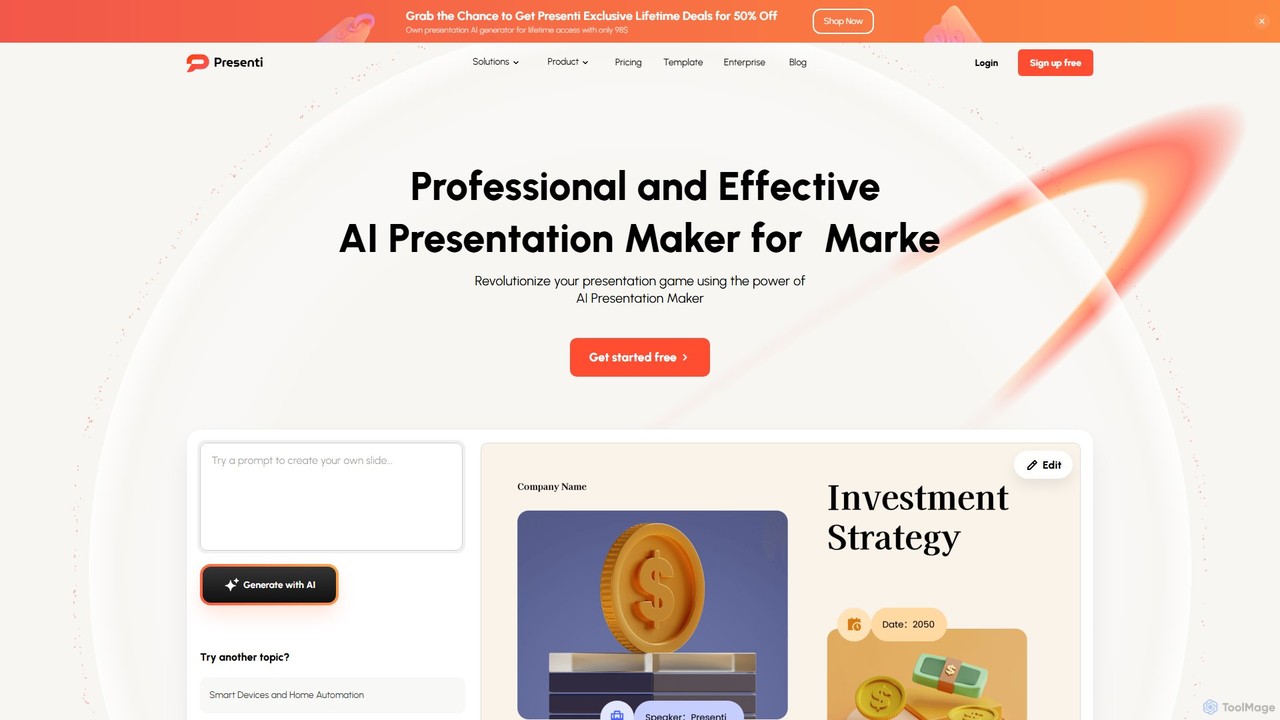
Presenti is an AI-powered presentation maker that instantly transforms your text, documents (Word, PDF, Markdown), or ideas into stunning, professional slides. It features automated design optimization, a vast template library, and online collaboration tools to streamline your workflow and create impactful presentations in minutes.

Corporate
Visits 590.3KFavorites 154Likes 151
Decktopus
Freemium

Decktopus

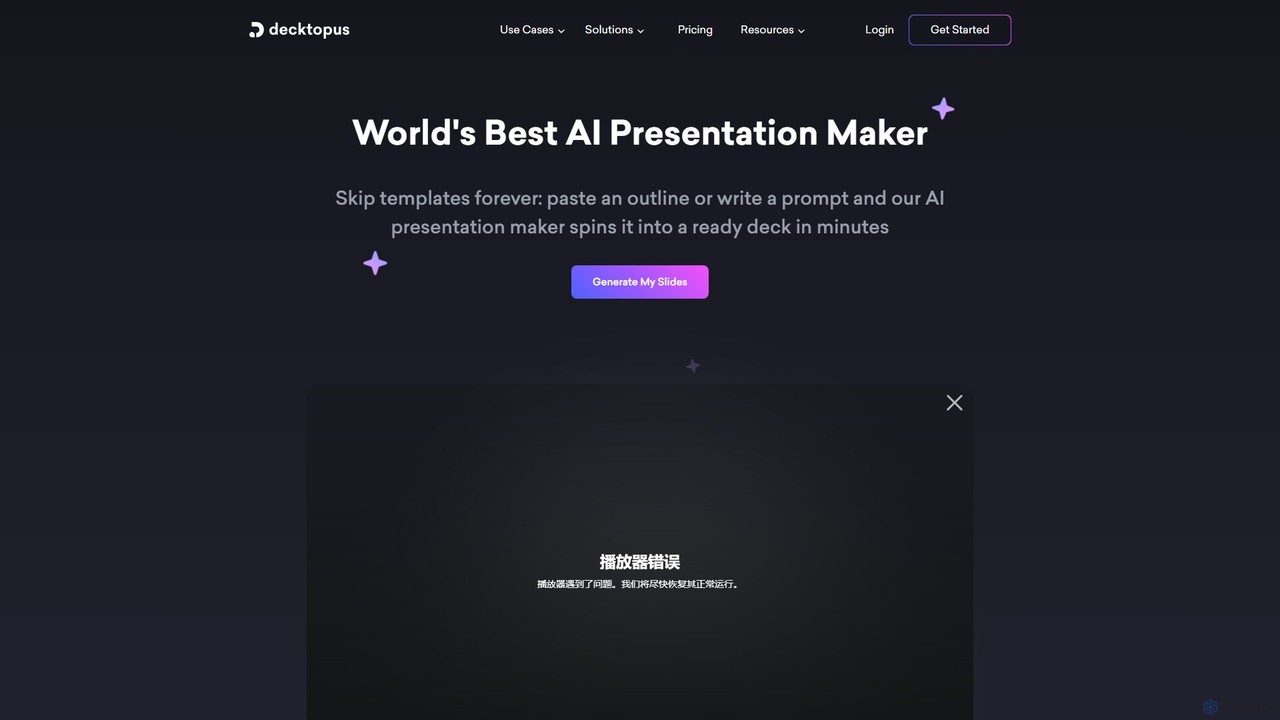
Decktopus is an AI-powered presentation maker that transforms your prompts, outlines, or documents into stunning, ready-to-present decks in minutes. It automates content creation, design, and image generation, allowing you to focus on delivering your message with impact.

Corporate
Visits 61.3KFavorites 134Likes 126
WellTra
Freemium

WellTra

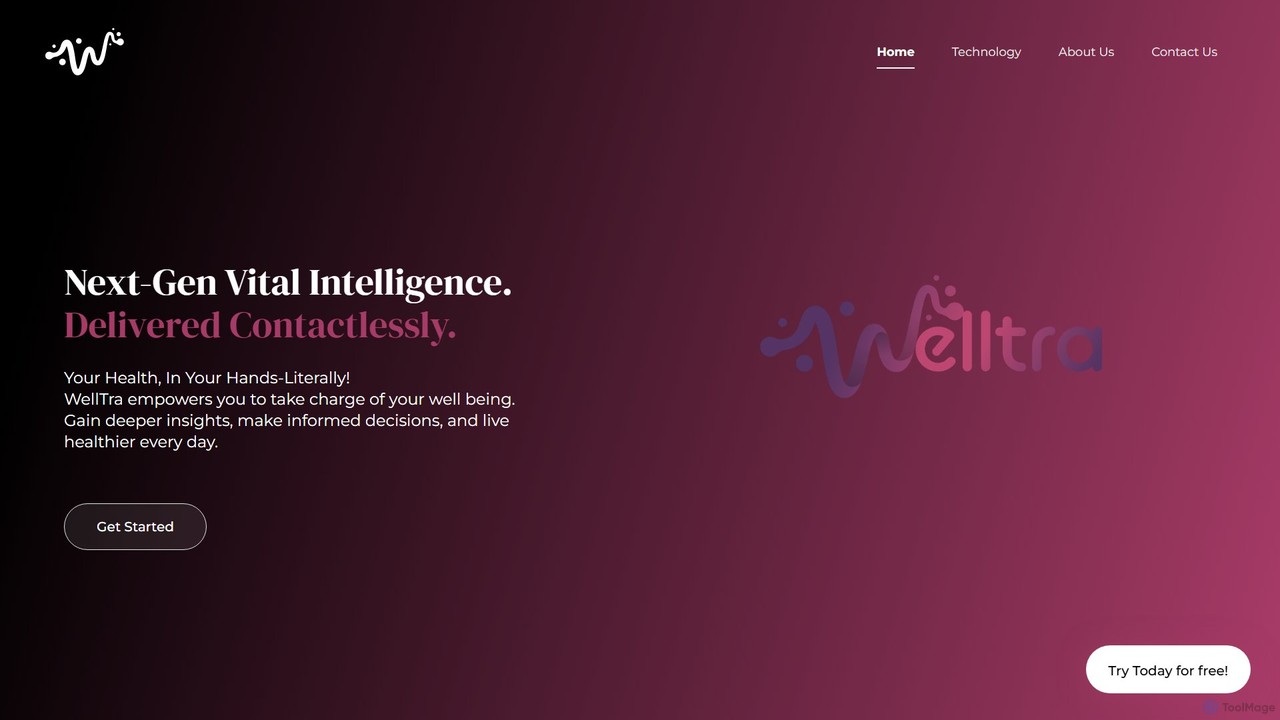
WellTra is a next-generation AI platform that provides contactless vital sign monitoring using any standard camera. Leveraging rPPG technology, it measures key health metrics like heart rate, blood pressure, and stress levels in real-time, offering personalized wellness insights while prioritizing user privacy through on-device processing.

3D
Visits 5.6KFavorites 94Likes 107

About Corporate

Corporate AI tools are advanced artificial intelligence solutions specifically designed to meet the complex demands of large organizations and enterprise environments. These tools leverage sophisticated AI algorithms, machine learning, and data analytics to automate intricate processes, enhance decision-making, and optimize operations at scale. They are built with enterprise-grade security, robust integration capabilities, and high scalability to seamlessly fit into existing corporate infrastructures and handle vast amounts of proprietary data.

Core Features

  • Enterprise-Grade Security: Robust data encryption, access controls, and compliance with industry regulations (e.g., GDPR, HIPAA) to protect sensitive corporate information.
  • Scalability & Performance: Designed to handle high volumes of data and user traffic, ensuring consistent performance across large organizations.
  • Seamless Integration: API-first architecture and connectors for integration with existing ERP, CRM, HR, and other enterprise systems.
  • Advanced Analytics & Reporting: Provides deep insights into operational data, business performance, and predictive capabilities for strategic planning.
  • Customization & Adaptability: Configurable workflows, models, and interfaces to align with specific corporate processes and unique business requirements.

Applicable Scenarios

Corporate AI tools are indispensable for large enterprises seeking to transform their operations, from automating complex financial audits and optimizing global supply chains to enhancing customer relationship management and personalizing employee experiences across diverse departments. They enable organizations to gain a competitive edge through data-driven insights and streamlined workflows.

How to Choose

When selecting Corporate AI tools, prioritize solutions offering proven enterprise-grade security and compliance certifications. Evaluate their scalability to ensure they can grow with your organization's needs and their integration capabilities with your existing IT ecosystem. Consider the vendor's support, implementation expertise, and the total cost of ownership, including customization and maintenance.

Corporate use cases

1

Automating Enterprise Customer Service Operations

Large corporations use AI chatbots and virtual assistants to handle millions of customer inquiries across multiple channels, providing instant support, routing complex issues to human agents, and reducing operational costs while maintaining service quality. This allows customer service departments to scale efficiently without compromising on response times or customer satisfaction.

2

Optimizing Global Supply Chain Logistics

Multinational companies deploy Corporate AI to analyze vast datasets from suppliers, logistics partners, and market demand. This enables predictive inventory management, optimized shipping routes, and proactive identification of potential disruptions, leading to significant cost savings and improved efficiency across complex global operations.

3

Enhancing Financial Fraud Detection & Compliance

Financial institutions and large enterprises utilize AI to monitor transactional data in real-time, identifying anomalous patterns indicative of fraud or non-compliance. These tools significantly reduce false positives compared to traditional rule-based systems and ensure adherence to regulatory standards, protecting corporate assets and reputation.

4

Personalizing Employee Onboarding & Training at Scale

HR departments in large organizations leverage AI platforms to deliver personalized onboarding experiences and continuous learning paths for thousands of employees. AI assesses individual learning styles and knowledge gaps, recommending relevant courses and resources, thereby accelerating skill development and retention across the entire workforce.

5

Predictive Maintenance for Industrial Assets

Manufacturing and energy corporations implement Corporate AI to analyze sensor data from machinery and infrastructure. AI models predict equipment failures before they occur, enabling proactive maintenance, minimizing downtime, extending asset lifespan, and ensuring operational continuity across vast industrial complexes.

6

Strategic Market Analysis and Business Forecasting

Corporate strategy teams use AI to process and analyze massive amounts of market data, including consumer trends, competitor activities, and economic indicators. This provides highly accurate forecasts, identifies emerging opportunities, and supports data-driven strategic planning and investment decisions for long-term corporate growth.

Corporate FAQ

What are Corporate AI tools?

Corporate AI tools are advanced artificial intelligence solutions tailored for the specific needs of large enterprises and organizations. They are designed to manage complex data, integrate with existing enterprise systems, ensure high levels of security and compliance, and operate at scale to automate processes and enhance decision-making across various departments.

How do Corporate AI tools differ from general Business AI tools?

Corporate AI tools are distinguished by their focus on enterprise-grade requirements: superior scalability to handle vast data volumes and users, robust security protocols, deep integration capabilities with complex IT ecosystems (ERP, CRM), and often extensive customization options. General business AI tools might be suitable for smaller operations or specific departmental tasks, lacking the comprehensive infrastructure and compliance features required by large corporations.

What are the key benefits of implementing Corporate AI solutions?

Implementing Corporate AI solutions offers numerous benefits, including significant improvements in operational efficiency through automation, enhanced strategic decision-making powered by advanced analytics, and better risk management. They also drive innovation, foster a competitive advantage, and enable personalized experiences for both customers and employees at an organizational level.

What should large enterprises consider when choosing Corporate AI tools?

Large enterprises should prioritize scalability, ensuring the tool can grow with their needs, and robust security features that comply with industry regulations. Critical considerations also include seamless integration with existing IT infrastructure, comprehensive vendor support, the total cost of ownership (TCO), and the ability to customize the solution to fit unique business processes and data governance policies.

Can Corporate AI tools integrate with existing enterprise systems?

Yes, integration is a cornerstone of Corporate AI tools. Most solutions are built with extensive API capabilities, pre-built connectors, and support for various data formats to ensure seamless integration with existing enterprise resource planning (ERP), customer relationship management (CRM), human resources (HR), and other proprietary systems. This allows for unified data flow and avoids data silos.