ToolMage
Sign in

Best 2 Document Generation AI tools for Business

Popular Document Generation AI tools in Business include iFlyDocs and ReportPDF, helping you work more efficiently.

ReportPDF
Freemium

ReportPDF

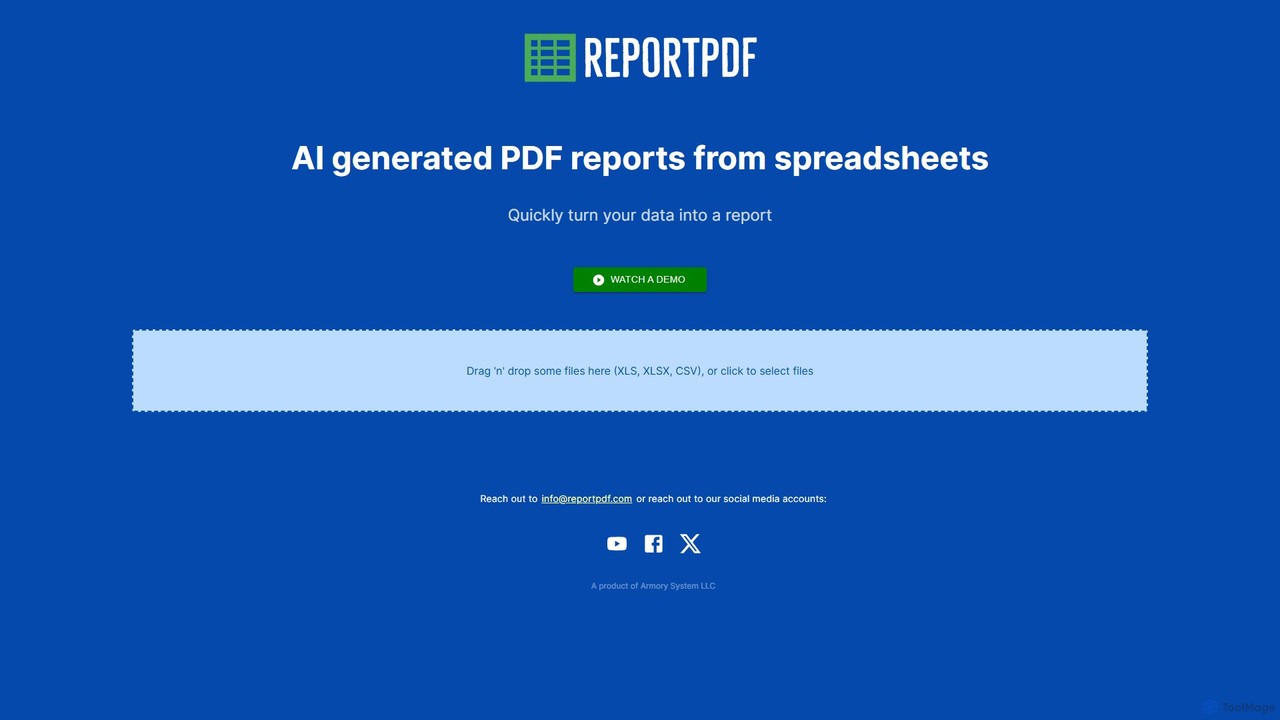
ReportPDF is an AI-powered tool that transforms your spreadsheet data (XLS, XLSX, CSV) into professional, visually appealing PDF reports instantly. Simply upload your file, and the AI will analyze the data, generate insightful summaries, create charts and tables, and compile everything into a polished report. It's designed to save time and eliminate the manual effort of report creation for business professionals, analysts, and researchers.

Document Generation
Visits 4.3KFavorites 149Likes 138
iFlyDocs
Freemium

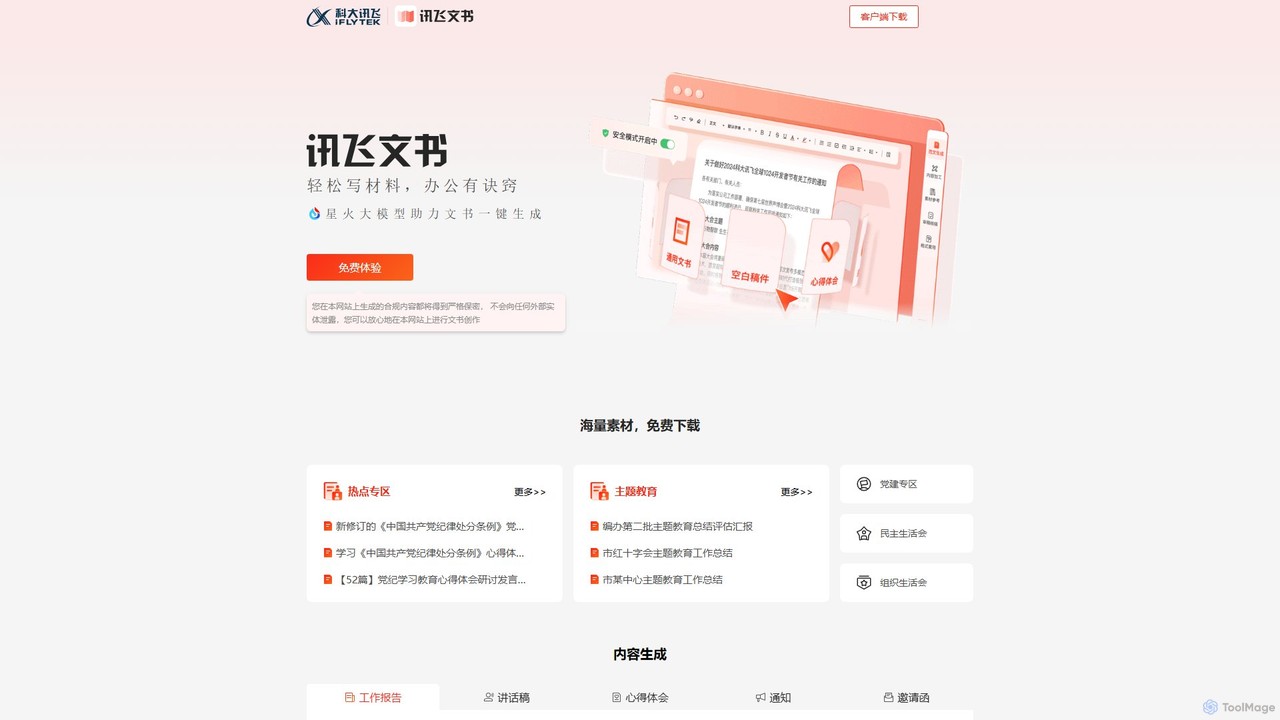
iFlyDocs

iFlyDocs is an AI-powered writing assistant by iFlytek, designed for the rapid generation and refinement of official and business documents. Leveraging the Spark large language model, it helps users create professional reports, speeches, summaries, and more with ease, offering a vast library of templates and advanced editing tools.

Document Generation
Visits 15.4KFavorites 119Likes 105

About Document Generation

Document Generation tools are AI-powered platforms designed to automate the creation of various documents, from simple reports to complex contracts and personalized communications. These tools leverage advanced natural language processing (NLP) and machine learning algorithms to extract relevant data, apply intricate business logic, and populate predefined templates or even generate content from scratch based on specific inputs. Their primary value lies in significantly reducing manual effort, ensuring consistency across all generated materials, minimizing human error, and accelerating critical document workflows across diverse business functions, thereby boosting overall operational efficiency.

Core Features

  • Automated Data Population: Automatically extracts and fills in data fields from CRM, ERP, databases, or spreadsheets into document templates, eliminating manual data entry.
  • Dynamic Content Assembly: Intelligently assembles variable text, clauses, images, or sections based on specific conditions, user inputs, or business rules, ensuring relevance.
  • Robust Template Management: Provides intuitive tools for creating, editing, organizing, and managing a comprehensive library of reusable document templates with version control.
  • Multi-Format Output & Delivery: Supports generating documents in various formats such as PDF, Word, Excel, HTML, or even directly integrating with e-signature platforms and email systems.
  • Conditional Logic & Workflow Automation: Enables setting up complex rules and automated workflows to trigger document generation based on specific events or data changes.

Applicable Scenarios

Businesses across various sectors extensively utilize document generation tools to streamline their operations. Sales teams can rapidly produce personalized proposals, quotes, and contracts, significantly shortening sales cycles. HR departments automate the creation of offer letters, employment contracts, and onboarding packets, ensuring compliance and a smooth new hire experience. Legal firms benefit from quick drafting of standard agreements and legal notices, reducing administrative burden. Marketing teams generate customized reports and campaign summaries for clients, maintaining brand consistency and data accuracy. Furthermore, financial institutions can automate the compilation of regulatory reports and client statements.

How to Choose

When selecting an AI document generation tool, consider its integration capabilities with your existing CRM, ERP, HRIS, or other core business systems to ensure seamless data flow and avoid silos. Evaluate the flexibility and ease-of-use of its template builder, ensuring it can accommodate your specific document structures and branding requirements. Assess the range of supported output formats and delivery options, as well as the security features for handling sensitive data and compliance with industry regulations. Furthermore, consider the scalability to handle your organization's current and future document volume, the level of customization offered, and the quality of customer support and training available. Finally, compare pricing models to find a solution that aligns with your budget and provides clear ROI.

Featured tool rankings

Document Generation use cases

1

Automated Sales Proposal Creation

Sales professionals can quickly generate highly personalized sales proposals, quotes, and contracts by pulling customer data directly from CRM systems. This automation ensures accuracy, maintains brand consistency, and drastically reduces the time spent on manual document preparation, allowing sales teams to focus more on client engagement and closing deals faster.

2

Legal Contract Drafting & Management

Legal departments and businesses can automate the drafting of standard legal documents such as NDAs, service agreements, and employment contracts. By inputting specific variables, the tool populates predefined templates with correct legal clauses and company information, minimizing errors, ensuring compliance, and accelerating the legal review process.

3

Personalized Marketing Report Generation

Marketing analysts and agencies can automatically compile customized performance reports for clients or internal stakeholders. The tool integrates with various marketing platforms to pull campaign data, visualize metrics, and generate branded reports with dynamic insights, saving hours of manual data aggregation and report formatting.

4

HR Onboarding Document Assembly

HR departments streamline the onboarding process by automatically assembling comprehensive new hire packets. This includes offer letters, employment agreements, policy documents, and benefits enrollment forms, all personalized with employee-specific details. This ensures a consistent, compliant, and efficient onboarding experience for new employees.

5

Financial Statement & Report Compilation

Finance teams can automate the generation of various financial documents, including quarterly reports, annual statements, invoices, and expense reports. By connecting to accounting software and financial databases, the tool accurately compiles data into structured templates, ensuring regulatory compliance and providing stakeholders with timely, error-free financial insights.

6

Technical Documentation & User Manual Production

Product managers and technical writers can efficiently create and update technical documentation, user manuals, and API guides. The tool can pull information from development repositories or structured content, ensuring that documentation is always up-to-date, consistent in style, and available in multiple formats for different audiences.

Document Generation FAQ

What is AI Document Generation?

AI Document Generation refers to the use of artificial intelligence and machine learning technologies to automate the creation of various types of documents. These tools can intelligently extract data from different sources, apply predefined rules or dynamic logic, and populate templates or generate new content, significantly reducing manual effort and ensuring accuracy and consistency in document production.

How do AI Document Generation tools differ from traditional template systems?

Traditional template systems typically require manual data entry and offer limited dynamic content capabilities. AI Document Generation tools, however, go beyond simple placeholders. They can integrate with multiple data sources, use natural language processing to understand context, apply complex conditional logic to assemble dynamic content, and even suggest or generate text, offering a much higher degree of automation, personalization, and intelligence in document creation.

What types of documents can AI Document Generation tools create?

AI Document Generation tools are highly versatile and can create a wide array of documents. This includes business documents like sales proposals, contracts, invoices, and reports; HR documents such as offer letters and onboarding forms; legal documents like NDAs and agreements; marketing materials such as personalized reports; and even technical documentation or financial statements. Their capability extends to any document that benefits from data integration and dynamic content assembly.

Who benefits most from using AI Document Generation tools?

A wide range of professionals and organizations benefit significantly. Sales teams gain speed and personalization in proposals. HR departments achieve efficiency and compliance in onboarding. Legal professionals reduce drafting time for standard contracts. Marketing agencies deliver customized reports faster. Any business or individual that regularly creates a high volume of repetitive, data-driven, or personalized documents can leverage these tools to save time, reduce errors, and improve consistency.

How to choose the right AI Document Generation tool for my business?

To choose the right tool, first assess your specific document types and volume. Look for robust integration capabilities with your existing CRM, ERP, or HRIS systems. Evaluate the flexibility of its template builder and the ease of defining conditional logic. Consider security features, compliance standards, and the range of output formats. Finally, compare pricing, scalability, and the quality of customer support and training to ensure it meets your long-term business needs.