ToolMage
Sign in

Best 6 Document Processing AI tools for Business

Popular Document Processing AI tools in Business include Datamatics, Evolution AI, InvoicesReader, itexcel, cvtoblind, and Truffles AI, helping you work more efficiently.

InvoicesReader
Paid

InvoicesReader

InvoicesReader is an AI-powered desktop application for Windows that automates invoice and receipt data extraction. It accurately extracts details from various document formats, offering multiple processing modes including local AI for privacy, cloud AI for complex layouts, and QR code scanning for instant, 100% accurate results. Streamline your financial workflows by exporting data to Excel, CSV, or directly integrating with accounting software.

Document Processing
Visits 5.2KFavorites 120Likes 119
itexcel
Free

itexcel

itexcel is a free, AI-powered OCR tool that accurately converts tables and text from images (JPG, PNG) into editable Excel spreadsheets. Available on web, iOS, and Android, it streamlines data entry and boosts productivity.

Document Processing
Visits 4.2KFavorites 131Likes 134
Datamatics
Paid

Datamatics

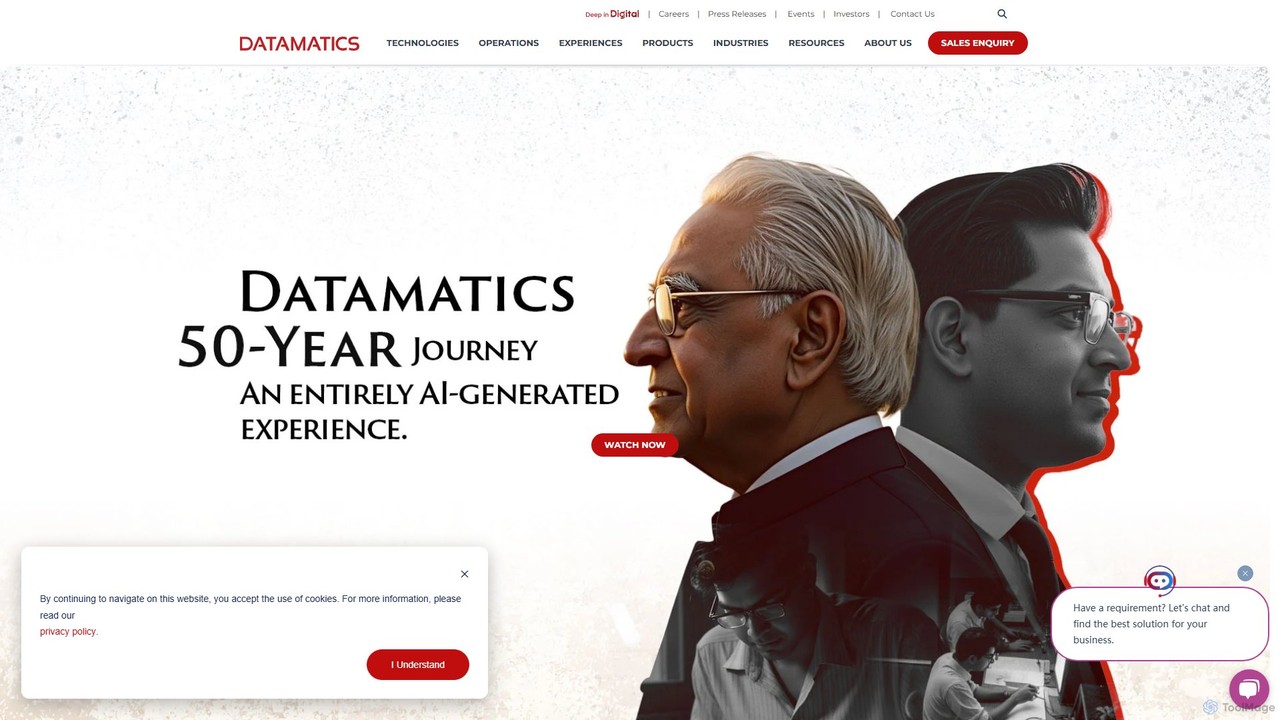
Datamatics is an enterprise-grade platform offering a suite of Digital Technologies, Operations, and Experiences. It leverages AI-powered Intelligent Automation, including RPA (TruBot) and IDP (TruCap+), to enhance productivity, transform finance operations, and elevate customer experiences for global enterprises.

Document Processing
Visits 111.5KFavorites 108Likes 116
Evolution AI
Paid

Evolution AI

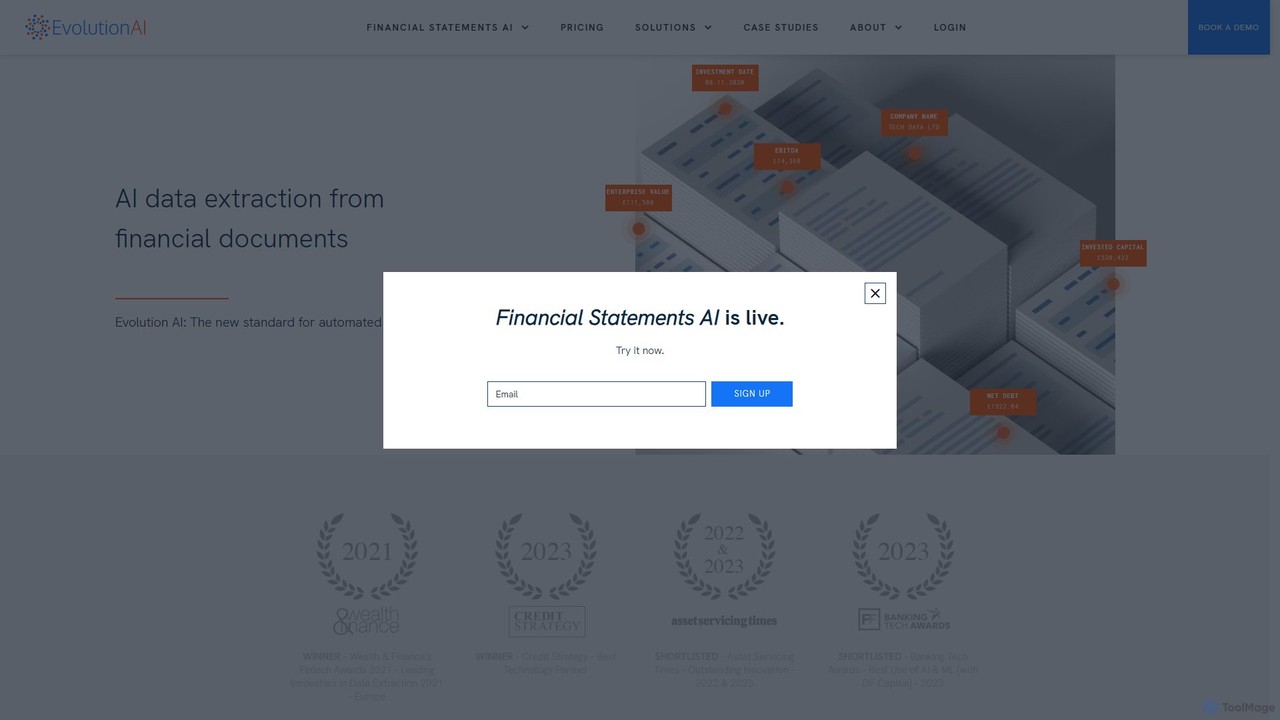
Evolution AI is an advanced platform for automated data extraction from complex documents. Using generative AI, it requires no rules or coding to identify and extract data from invoices, financial statements, and custom documents, significantly reducing manual effort and improving accuracy.

Document Processing
Visits 13KFavorites 125Likes 121
Truffles AI
Paid

Truffles AI

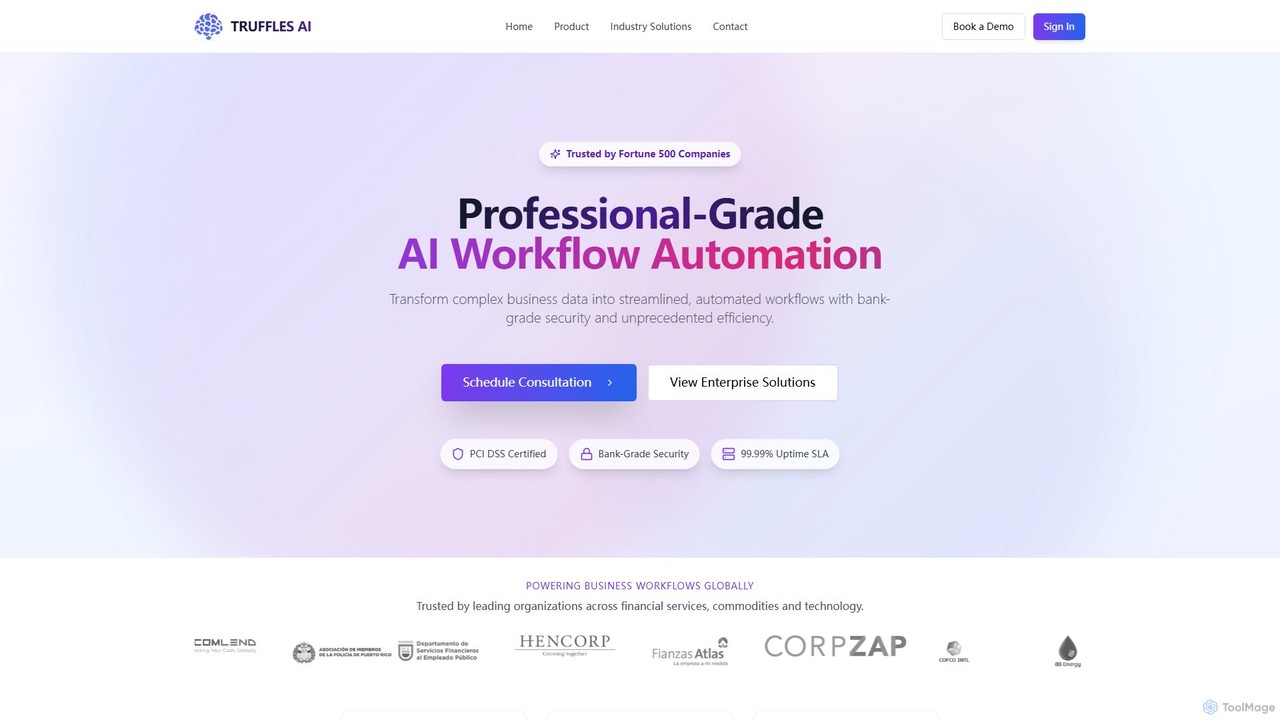
Truffles AI is an enterprise-grade AI platform designed to automate complex business workflows. It transforms unstructured data from various sources into streamlined, actionable intelligence with bank-grade security, serving industries like finance, supply chain, and lending. Trusted by Fortune 500 companies for its efficiency and accuracy.

Data Extraction
Visits 4KFavorites 123Likes 148
cvtoblind
Paid

cvtoblind

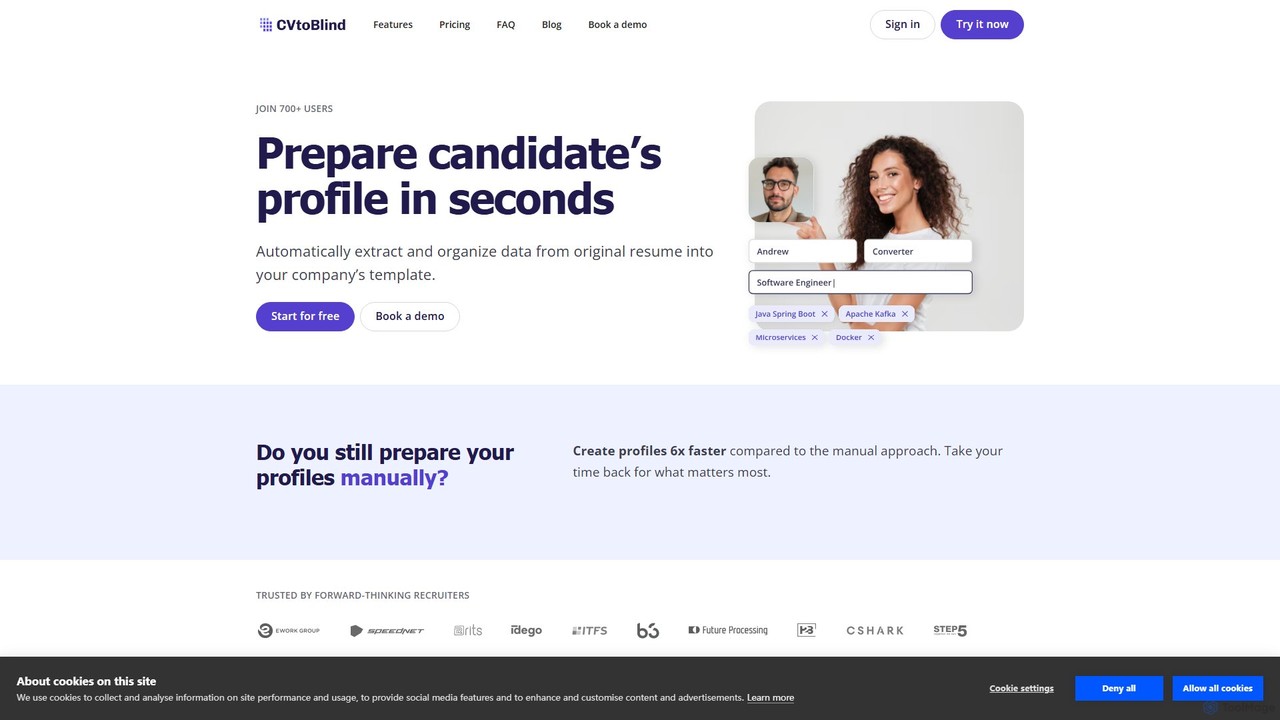
cvtoblind is an AI-powered resume parser designed for HR professionals and recruiters. It automates the tedious process of converting CVs into standardized, anonymized candidate profiles. By using custom templates, it prepares professional documents 6x faster, saving significant time, ensuring consistency, and supporting unbiased hiring practices.

Document Processing
Visits 4.1KFavorites 116Likes 101

About Document Processing

Document Processing AI tools are a category of artificial intelligence solutions designed to automate and enhance tasks involving various types of documents. Leveraging advanced technologies like Natural Language Processing (NLP) and Computer Vision, these tools can understand, extract, summarize, classify, and generate content from unstructured and semi-structured documents. Their primary value lies in transforming manual, time-consuming document workflows into efficient, accurate, and scalable automated processes, providing businesses with deeper insights and significant operational savings.

Core Features

  • Intelligent Data Extraction: Automatically identifies and extracts specific information (e.g., names, dates, amounts) from documents like invoices, contracts, and forms.
  • Document Summarization: Generates concise summaries of lengthy texts, such as reports, articles, or legal briefs, highlighting key points.
  • Document Classification: Categorizes documents based on their content, enabling automated routing and organization within business systems.
  • Content Generation: Assists in drafting document sections or entire documents based on provided data or templates.
  • Semantic Search: Allows users to find relevant information within large document repositories using natural language queries, beyond keyword matching.

Applicable Scenarios

These tools are indispensable for industries handling large volumes of paperwork, such as finance, legal, healthcare, and human resources. They empower roles like data analysts, legal professionals, administrative staff, and researchers to streamline operations. For instance, financial departments use them for automated invoice processing, while legal teams leverage them for contract analysis and e-discovery.

How to Choose

When selecting a Document Processing AI tool, consider its accuracy in data extraction, the range of document formats it supports (PDF, images, Word), its integration capabilities with existing business systems (CRM, ERP), and its scalability to handle varying document volumes. Security features, compliance standards, and the clarity of its pricing model are also crucial factors for informed decision-making.


Featured tool rankings

Document Processing use cases

1

Automated Invoice Data Extraction

Finance departments often deal with hundreds of invoices daily. AI Document Processing tools can automatically extract key data points like vendor names, invoice numbers, line items, and total amounts from various invoice formats (PDFs, scans). This eliminates manual data entry, significantly reduces errors, and accelerates accounts payable processes, allowing finance teams to focus on strategic tasks rather than repetitive data input.

2

Legal Contract Review and Analysis

Legal professionals spend considerable time reviewing lengthy contracts for specific clauses, risks, or compliance issues. AI tools can rapidly scan thousands of pages, identify relevant sections, flag discrepancies, and even compare clauses against standard templates. This drastically speeds up due diligence, contract drafting, and compliance checks, enhancing accuracy and reducing legal review costs.

3

Research Paper Summarization for Academics

Academics and researchers need to stay updated with vast amounts of literature. Document Processing AI can summarize complex research papers, scientific articles, and reports into concise abstracts, highlighting methodologies, key findings, and conclusions. This enables researchers to quickly grasp the essence of numerous studies, saving hours of reading time and facilitating more efficient literature reviews.

4

Customer Feedback Analysis from Text Documents

Businesses receive customer feedback through various channels, often in unstructured text documents like emails, support tickets, and survey responses. AI tools can process these documents to identify common themes, sentiment, and emerging issues. This allows product managers and customer service teams to quickly understand customer needs, prioritize improvements, and enhance overall customer satisfaction.

5

HR Document Classification and Routing

Human Resources departments manage a wide array of documents, from resumes and application forms to employee contracts and performance reviews. AI Document Processing can automatically classify these documents, extract relevant candidate or employee information, and route them to the appropriate HR personnel or systems. This streamlines recruitment, onboarding, and employee management workflows, ensuring data accuracy and compliance.

6

Generating Business Reports from Structured Data

Business analysts often need to compile periodic reports from various data sources. AI Document Processing tools can ingest structured data (e.g., sales figures, market trends) and generate narrative reports, summaries, or even presentation slides. This automates the report generation process, ensures consistency, and frees up analysts to focus on interpreting insights rather than formatting documents.

Document Processing FAQ

What are AI Document Processing tools?

AI Document Processing tools are software solutions that use artificial intelligence, primarily Natural Language Processing (NLP) and Computer Vision, to automate tasks related to documents. They can read, understand, extract data from, summarize, classify, and even generate text within various document types, transforming unstructured information into actionable insights or structured data.

How do AI Document Processing tools differ from traditional OCR?

Traditional Optical Character Recognition (OCR) primarily converts images of text into machine-readable text. While AI Document Processing often incorporates OCR, it goes much further by using AI to *understand* the content. This means it can identify the *meaning* of extracted text, categorize documents, extract specific fields based on context (e.g., an invoice number vs. a date), and even summarize content, which traditional OCR cannot do.

What types of documents can AI Document Processing handle?

AI Document Processing tools are highly versatile and can handle a wide range of document types, including PDFs, scanned images, Word documents, emails, and web pages. They are adept at processing both structured documents (like forms with fixed fields) and unstructured documents (like contracts, reports, or correspondence) by intelligently identifying and interpreting relevant information regardless of its layout.

How to choose the best AI Document Processing tool for my business?

To choose the best tool, evaluate its accuracy in data extraction for your specific document types, its ability to integrate with your existing enterprise systems (ERP, CRM), and its scalability to handle your current and future document volumes. Also, consider the level of customization offered, security features, compliance certifications, and the vendor's support and pricing model to ensure it aligns with your business needs and budget.

What are the main benefits of using AI for document processing in business?

The main benefits include significant improvements in operational efficiency by automating repetitive tasks, leading to substantial cost savings. These tools also enhance data accuracy by minimizing human error, accelerate decision-making through faster access to insights, and improve compliance by ensuring consistent processing. Ultimately, they free up human capital to focus on higher-value, strategic activities.