ToolMage
Sign in

Best 2 Global Employment AI tools for Business

Popular Global Employment AI tools in Business include RemotePeople and smplhr, helping you work more efficiently.

RemotePeople
Freemium

RemotePeople

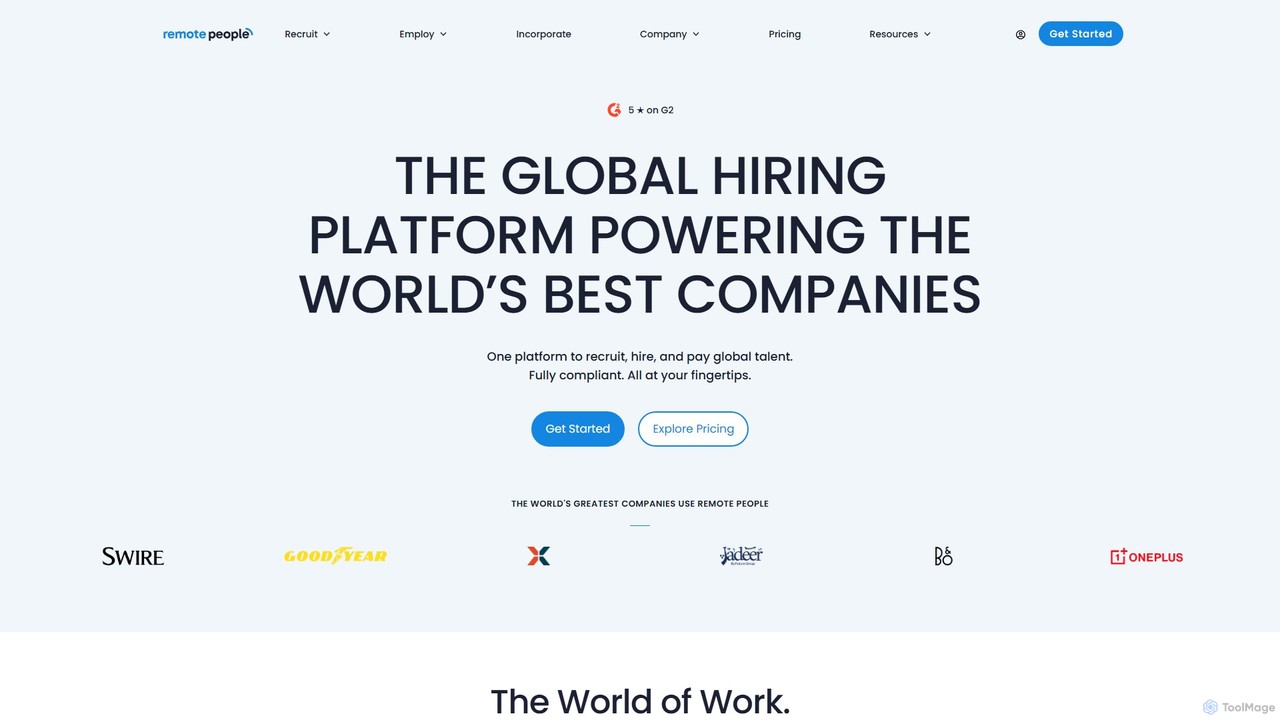
RemotePeople is an all-in-one global hiring platform that enables companies to recruit, hire, pay, and manage remote talent in over 150 countries. It combines Employer of Record (EOR) services, international recruitment, and contractor management to simplify global expansion, ensure full compliance, and streamline HR operations. Ideal for businesses looking to build a world-class team without the complexities of establishing local legal entities.

Global Employment
Visits 154.5KFavorites 154Likes 145
smplhr
Freemium

smplhr

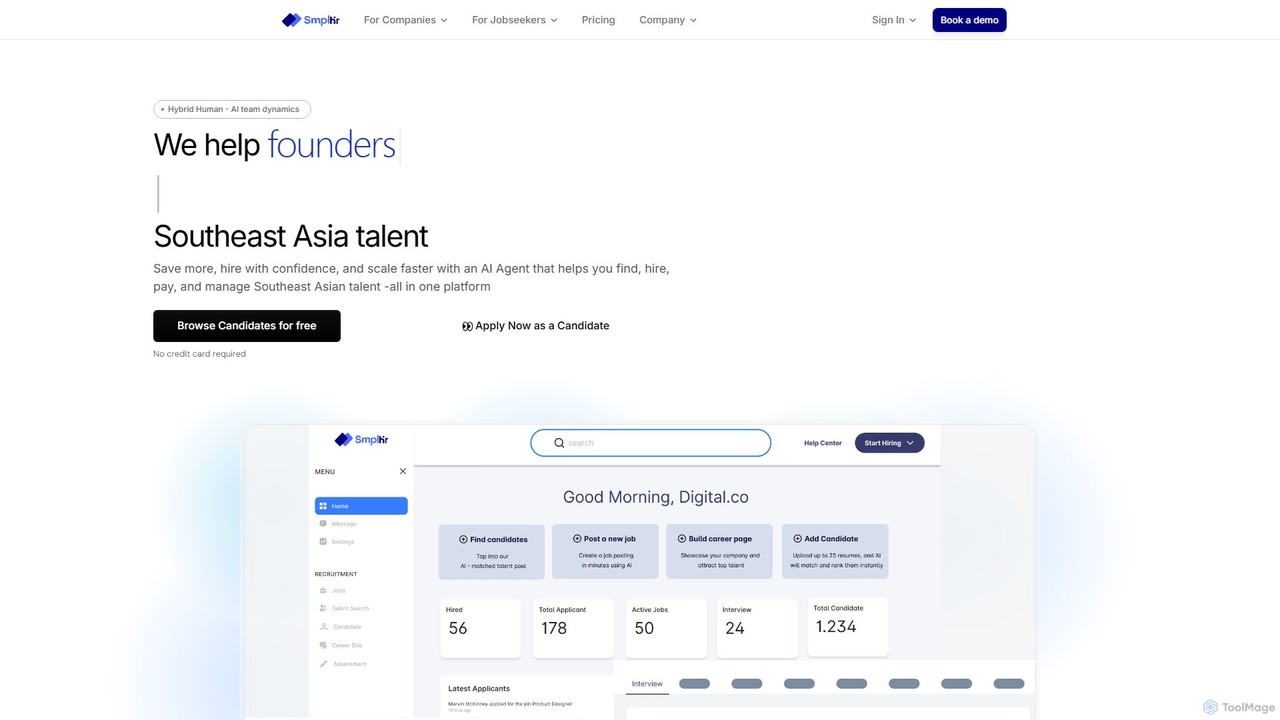
smplhr is an AI-powered HR platform designed to find, hire, pay, and manage talent from Southeast Asia. It combines AI agents with human expertise to streamline the entire recruitment process, from smart resume screening and AI-powered interviews to payroll and Employer of Record (EOR) services, all on a single platform.

Global Employment
Visits 5.9KFavorites 115Likes 132

About Global Employment

Global Employment tools are AI-powered platforms designed to simplify and streamline the process of hiring, onboarding, managing, and paying employees across international borders. Leveraging advanced automation and compliance engines, these tools enable businesses to build and manage a distributed global workforce efficiently and compliantly, without the need for establishing local legal entities. They provide comprehensive solutions for navigating complex international labor laws, payroll regulations, and tax obligations, empowering companies to access a wider talent pool and expand globally with ease.

Core Features

  • Global Payroll Automation: Automates salary payments, tax withholdings, and benefits administration in multiple currencies and jurisdictions.
  • International Compliance Management: Ensures adherence to local labor laws, tax regulations, and employment contracts worldwide.
  • Remote Onboarding & Offboarding: Streamlines the entire employee lifecycle from initial hiring paperwork to final separation, globally.
  • Contractor & Employee Management: Differentiates and manages both full-time employees and independent contractors across various countries.
  • Benefits Administration: Facilitates offering competitive and compliant benefits packages tailored to local market standards.

Use Cases

These tools are essential for companies looking to expand their talent search beyond national borders or manage existing international teams. They are used by startups seeking specialized skills globally, established enterprises entering new markets, and remote-first organizations building diverse, distributed workforces. By centralizing global HR operations, businesses can reduce administrative burden and mitigate risks associated with international employment.

How to Choose

When selecting a Global Employment tool, consider its geographic coverage, the breadth of services (e.g., payroll, benefits, compliance, EOR services), integration capabilities with existing HR systems, pricing structure, and the level of local legal expertise provided. Evaluate the platform's user-friendliness and its ability to scale with your company's international growth ambitions.

Global Employment use cases

1

Hiring Specialized Talent from Anywhere

A tech startup in Silicon Valley needs a rare AI engineer. Using a Global Employment platform, they can legally hire a top candidate based in Germany, handling all local employment contracts, payroll, and benefits without setting up a German entity, significantly expanding their talent pool.

2

Streamlining International Payroll & Tax Compliance

An e-commerce company with employees in five different countries struggles with varying payroll cycles, tax laws, and currency conversions. A Global Employment tool automates monthly payroll for all international staff, ensuring accurate tax deductions and timely payments in local currencies, reducing financial errors and compliance risks.

3

Onboarding Remote Employees Globally

A remote-first marketing agency hires new team members in Brazil, India, and Canada simultaneously. The Global Employment platform provides a standardized, compliant onboarding workflow for each region, including digital contract signing, local tax form submission, and benefits enrollment, ensuring a smooth start for all new hires.

4

Ensuring HR Compliance in New Markets

A software company plans to expand its sales team into France and Japan. Before hiring, they use a Global Employment tool to understand local labor laws, minimum wage requirements, and termination policies, ensuring all employment practices are fully compliant from day one and avoiding costly legal issues.

5

Managing Global Contractor Workforce

A content creation agency frequently works with freelance writers and designers from various countries. A Global Employment platform helps classify these workers correctly, manage their contracts, process international invoices, and ensure compliance with local contractor regulations, simplifying cross-border freelance management.

6

Facilitating Global Team Benefits Administration

A multinational corporation wants to offer competitive health insurance and retirement plans to its employees in the UK, Australia, and Mexico. The Global Employment tool integrates with local benefits providers, allowing the company to administer region-specific benefits packages compliantly and efficiently, enhancing employee satisfaction and retention.

Global Employment FAQ

What are Global Employment tools?

Global Employment tools are software platforms that enable businesses to hire, manage, and pay employees and contractors across different countries compliantly. They typically feature automated payroll, international tax management, HR compliance, and sometimes Employer of Record (EOR) services. These tools help companies expand their talent pool globally without the complexities of establishing local legal entities.

How do Global Employment tools ensure international compliance?

Global Employment tools ensure compliance by integrating local labor laws, tax regulations, and employment standards into their platforms. They provide up-to-date legal frameworks, automate contract generation compliant with local laws, manage statutory benefits, and handle tax withholdings according to each country's requirements. Many also offer expert legal support or EOR services to guarantee adherence.

What are the main benefits of using Global Employment tools?

The main benefits include access to a wider global talent pool, simplified international payroll and tax management, reduced administrative burden, and guaranteed compliance with diverse labor laws. These tools mitigate legal and financial risks associated with cross-border hiring, enable faster market entry, and allow companies to focus on core business growth rather than complex HR logistics.

How do Global Employment tools differ from traditional HR software?

Traditional HR software primarily focuses on domestic HR functions like local payroll, benefits, and employee management within a single country or region. Global Employment tools, however, specialize in the complexities of cross-border employment, offering features like multi-country payroll, international tax compliance, global benefits administration, and Employer of Record (EOR) services to manage legal employment in various jurisdictions. They are designed for international scalability.

Who typically uses Global Employment platforms?

Global Employment platforms are typically used by companies of all sizes looking to hire internationally, from startups seeking specialized remote talent to large enterprises expanding into new markets. Remote-first companies, businesses with distributed teams, and organizations managing a global contractor workforce also heavily rely on these tools to streamline their international HR and payroll operations.