Business Best in category 2 results Goal Setting AI Tool

Popular AI tools in the Goal Setting field of Business include Tability、The North, etc., helping you quickly improve efficiency.

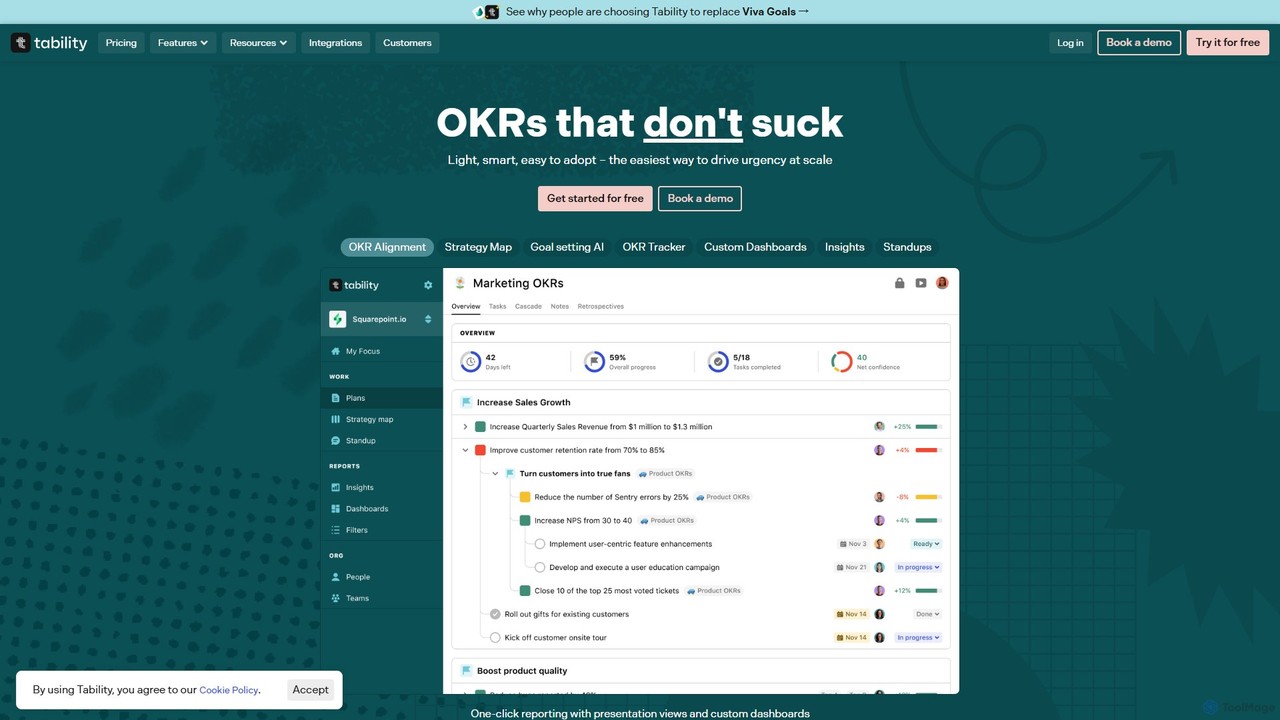
Tability

Tability

Tability is a simple, AI-powered OKR (Objectives and Key Results) platform designed to help teams set, track, and …

52.4K
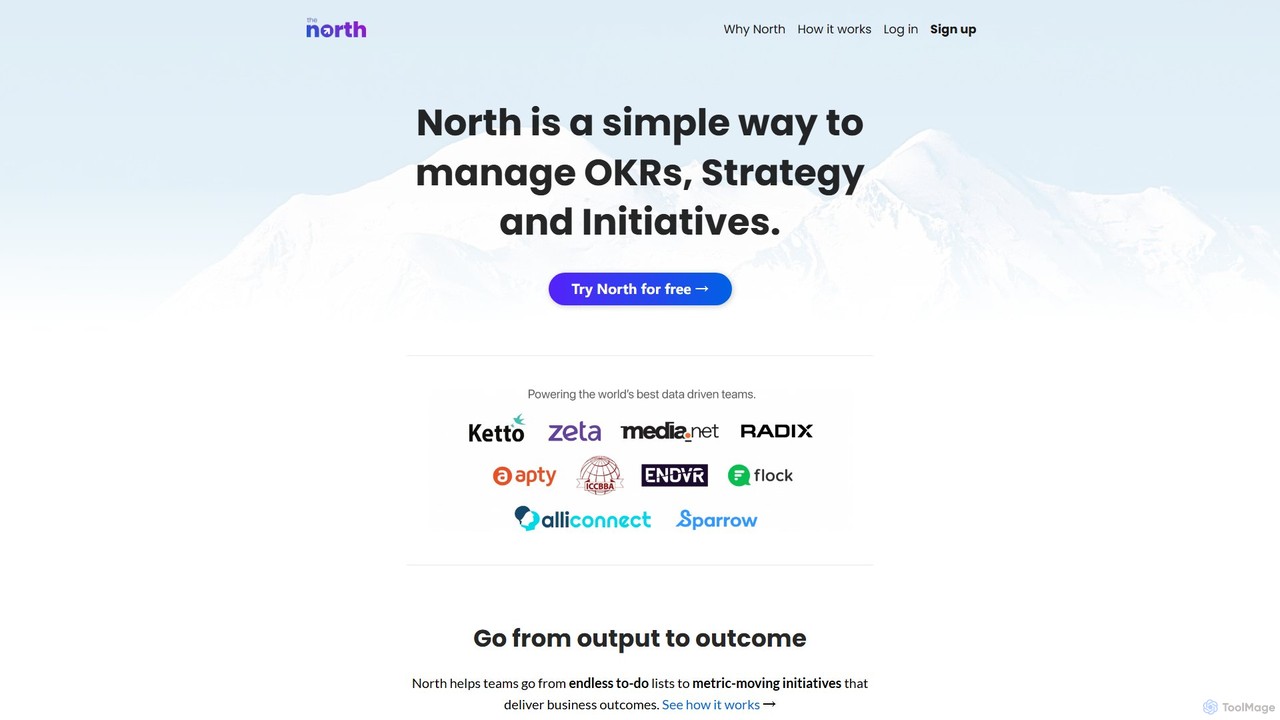
The North

The North

The North is a powerful yet simple OKR management platform designed to help teams shift from task-based outputs …

6.7K

About Goal Setting

AI Goal Setting tools are specialized applications that use artificial intelligence to help individuals and teams define, track, and achieve objectives. These tools often employ natural language processing (NLP) to break down ambitious goals into actionable steps and predictive analytics to identify potential obstacles. Their primary value lies in transforming abstract ambitions into structured, measurable, and adaptable plans, thereby increasing the likelihood of success. By providing intelligent feedback and automated progress monitoring, they serve as dynamic partners in personal and professional development.

Core Features

  • Intelligent Goal Decomposition: Automatically breaks down large objectives into smaller, manageable tasks or key results (like OKRs or SMART goals).
  • Predictive Progress Analysis: Uses historical data and current trends to forecast the probability of achieving goals and identify potential risks.
  • Automated Progress Tracking: Integrates with other work tools (e.g., CRM, project management software) to automatically update progress, reducing manual reporting.
  • Personalized Coaching & Nudges: Delivers AI-driven reminders, motivational messages, and performance feedback tailored to the user's habits and progress.

Applicable Scenarios

These tools are widely used in corporate environments for performance management, where managers and employees collaboratively set and track professional development goals. Startups and agile teams also use them to align company-wide objectives (OKRs) across different departments. Individuals leverage them for personal development, such as learning a new skill or improving personal habits.

Selection Criteria

When choosing an AI Goal Setting tool, consider its supported methodologies (e.g., OKR, SMART, 4DX). Evaluate its integration capabilities with your existing software stack. Assess the sophistication of its analytics and reporting features for clear progress visualization. Finally, consider the user interface and the quality of its AI-powered coaching and feedback mechanisms.

Goal SettingUse Cases

1

Aligning Company-Wide OKRs for a Tech Startup

A CEO of a tech startup needs to ensure all departments are aligned with the quarterly Objectives and Key Results (OKRs). Using an AI Goal Setting tool, they input the high-level company objectives. The AI assists department heads in creating aligned departmental OKRs by suggesting relevant key results and identifying potential cross-departmental dependencies. The platform provides a centralized dashboard showing real-time progress of all OKRs, automatically pulling data from integrated tools like Jira and Salesforce. This eliminates manual progress meetings and provides a clear, data-driven view of whether the company is on track to meet its strategic goals.

2

Managing Sales Team Performance and Quotas

A sales manager sets quarterly sales quotas for their team. An AI Goal Setting tool integrates with the company's CRM to track each sales representative's performance in real-time, including calls made, deals closed, and pipeline value. The AI analyzes individual performance trends and predicts which reps are at risk of missing their quota. It then suggests personalized coaching actions for the manager, such as focusing on a specific stage of the sales funnel. The tool also provides reps with a clear view of their progress and sends motivational nudges when they reach milestones, fostering a proactive and data-informed sales culture.

3

Structuring a Personal Skill Development Plan

A software developer wants to learn machine learning to advance their career. They use an AI Goal Setting app to define their goal: "Become proficient in machine learning within 6 months." The AI breaks this down into a structured learning path, suggesting milestones like "Complete an introductory Python course," "Build a simple regression model," and "Contribute to an open-source ML project." It recommends online courses and resources. The app tracks their progress through course completions and project check-ins, sending weekly summaries and reminders to keep them on track and motivated throughout their learning journey.

4

Improving Employee Engagement via Development Plans

An HR manager aims to boost employee retention by creating personalized development plans. They use an AI Goal Setting platform where employees can input their career aspirations. The AI analyzes this information along with performance review data to suggest relevant skills to develop and internal projects to join. Managers and employees can then collaboratively finalize a 6-month growth plan within the tool. The platform tracks progress on training and project milestones, providing both HR and management with visibility into employee development across the organization, helping to foster a culture of growth and internal mobility.

5

Tracking Fitness and Wellness Goals

An individual sets a goal to lose 10kg and run a 5k race in three months. They use an AI-powered fitness goal app that connects to their smartwatch and calorie tracking app. Based on their initial data, the AI creates a personalized weekly workout and meal plan. It dynamically adjusts the plan based on their daily activity levels and logged meals. For example, if they miss a workout, the AI might suggest a lighter workout the next day instead of the scheduled high-intensity one. It also sends encouraging messages when they hit daily step counts or stick to their calorie budget, providing constant, intelligent support.

6

Managing a Marketing Campaign's Key Performance Indicators (KPIs)

A marketing team launches a multi-channel campaign with the goal of generating 1,000 qualified leads in one quarter. They use an AI Goal Setting tool that integrates with Google Analytics, their social media scheduler, and their email marketing platform. The tool aggregates all relevant KPIs (website traffic, conversion rates, social engagement) into a single dashboard. The AI monitors the campaign's trajectory and alerts the team if lead generation is pacing below target. It might highlight that the conversion rate from a specific channel is underperforming, allowing the team to quickly reallocate budget or adjust their strategy to get back on track.

Goal SettingFrequently Asked Questions