Business Best in category 10 results Intelligence AI Tool

Popular AI tools in the Intelligence field of Business include AIColumns、castordoc、AskNews、Dicer.ai、Finalle、Gradientj、Tylo、Groupt、Gapsfinder、ChainIntel, etc., helping you quickly improve efficiency.

Gapsfinder

Gapsfinder

Gapsfinder is an AI-powered market intelligence tool that performs competitor analysis in under 60 seconds. It identifies market …

2.5K
Gradientj

Gradientj

Gradientj is a powerful platform for developers and businesses to build, test, and deploy autonomous AI agents. It …

2.6K
AskNews

AskNews

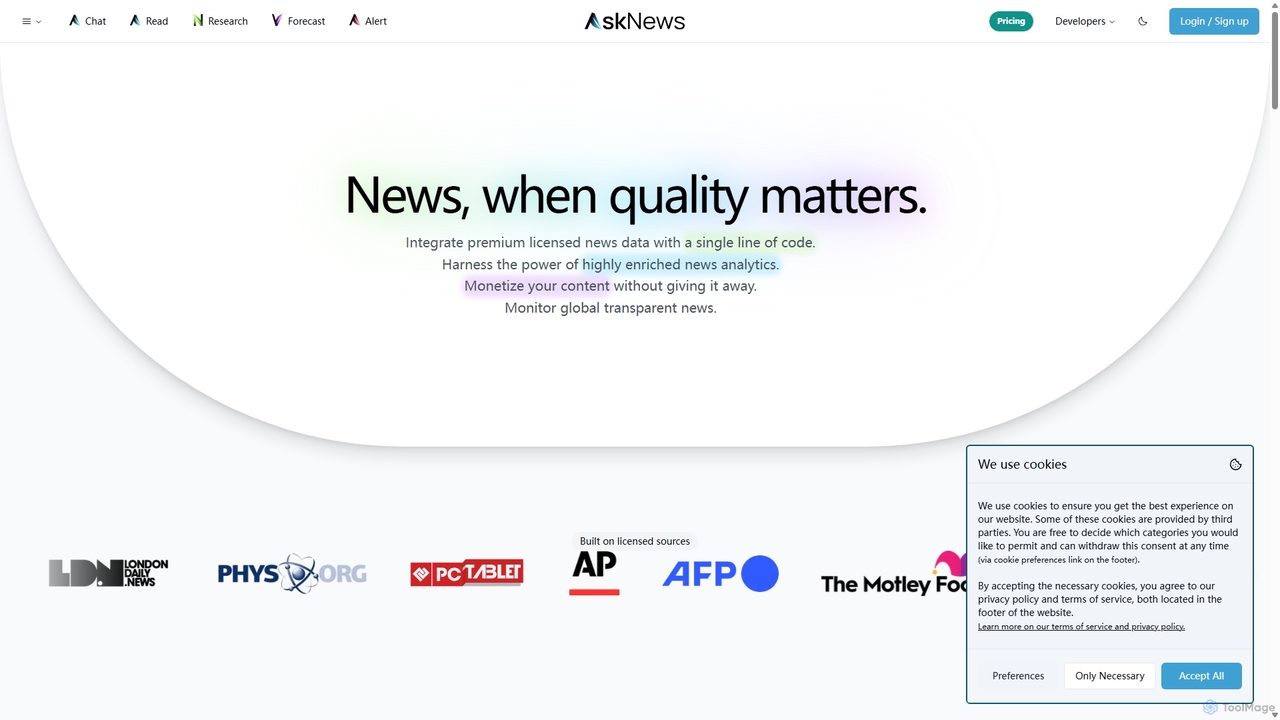
AskNews is an AI-powered news intelligence platform providing high-quality, licensed global news data through a powerful API. It …

6.0K
ChainIntel

ChainIntel

ChainIntel is an AI-powered blockchain analytics platform that transforms complex on-chain data into actionable intelligence. It enables users …

2.4K
Groupt

Groupt

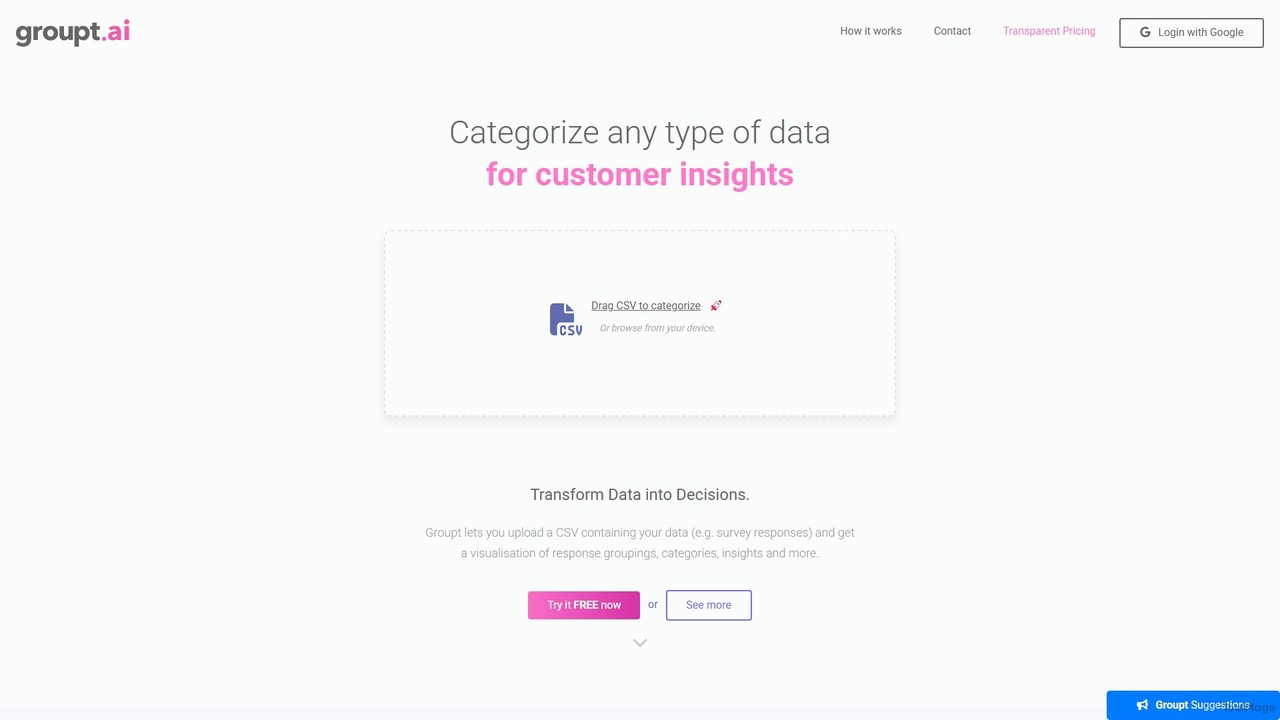
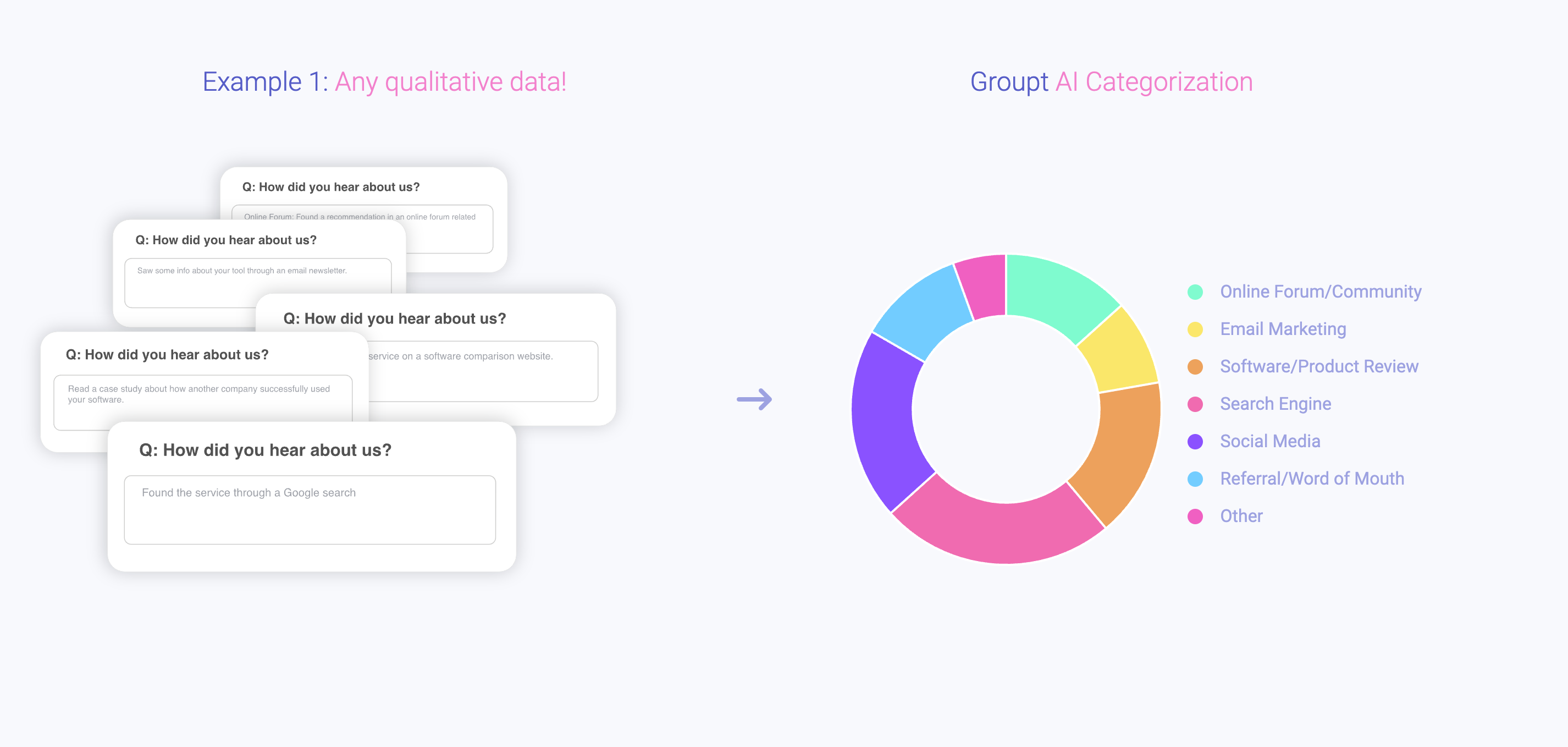
Groupt is an AI-powered tool that automates data categorization and analysis for CSV files. Simply upload your spreadsheet, …

2.5K
Tylo

Tylo

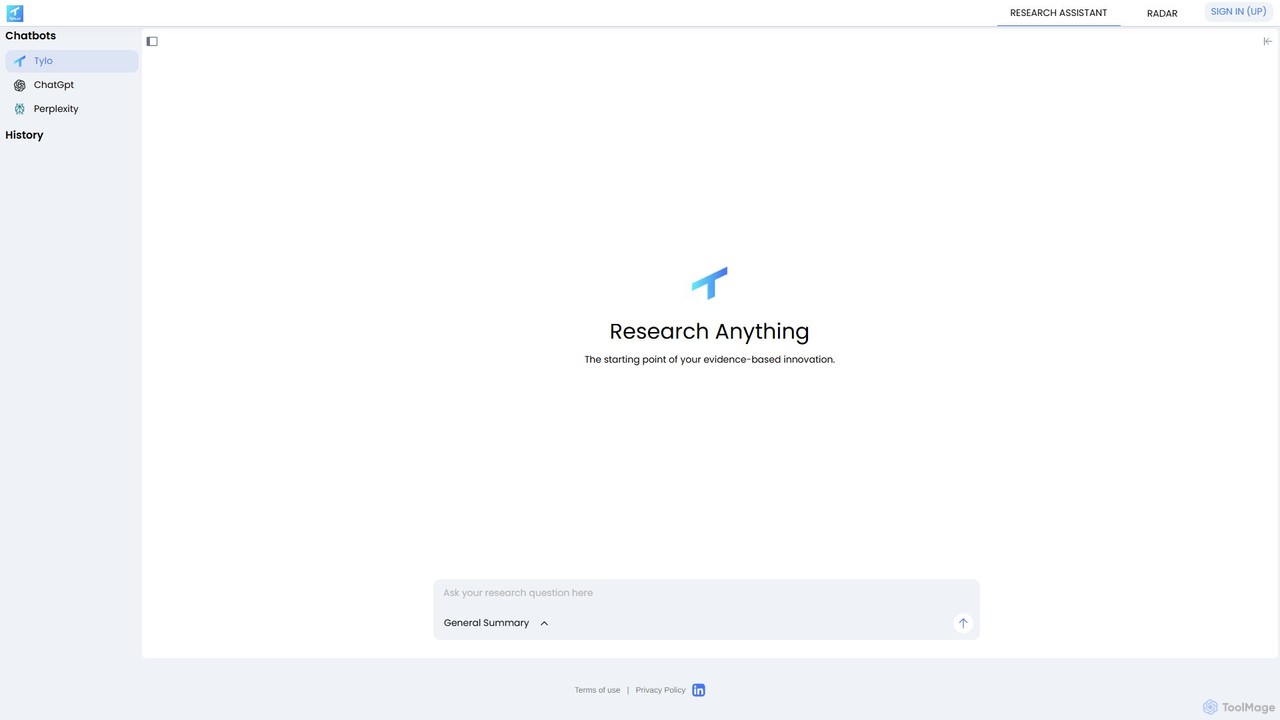
Tylo is an AI-powered research assistant designed for evidence-based innovation. It uses a conversational interface to help users …

2.5K
Finalle

Finalle

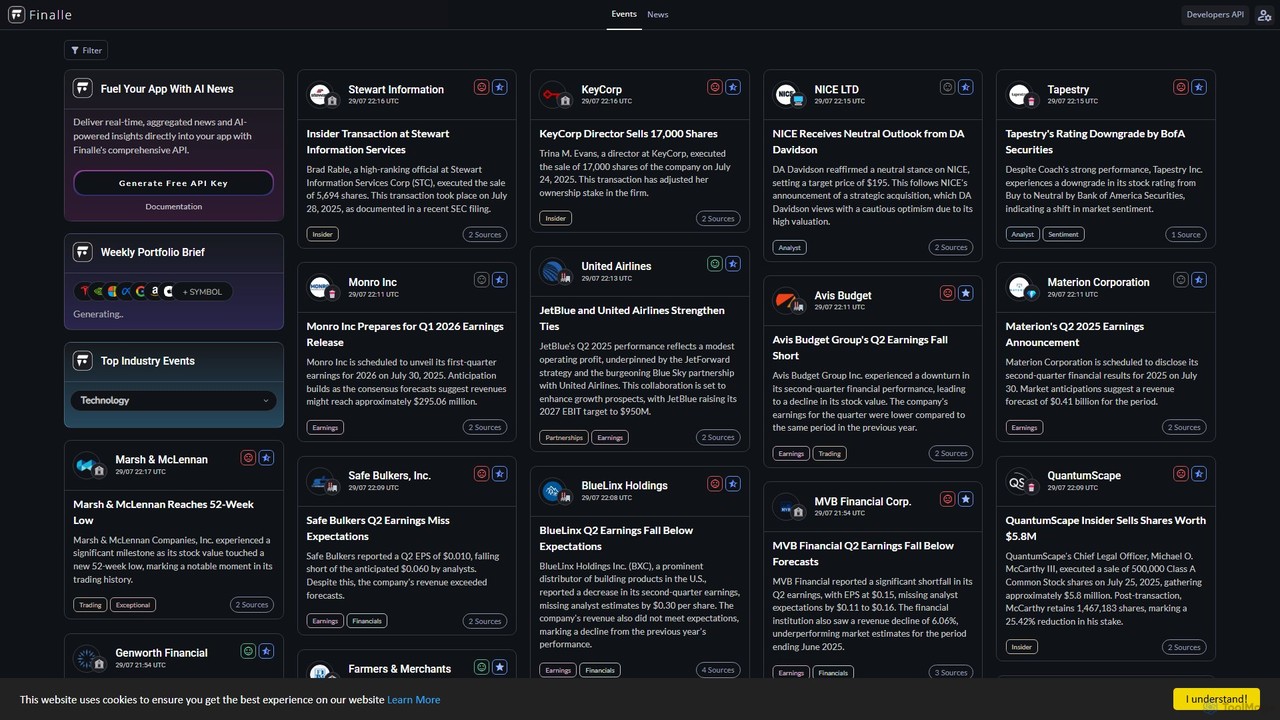
Finalle is an AI-powered news API for developers and businesses. It delivers real-time, aggregated financial and business news, …

2.7K
AIColumns

AIColumns

AIColumns is an AI-powered data assistant that supercharges your spreadsheets. It integrates seamlessly with platforms like Google Sheets …

6.4M
castordoc

castordoc

CastorDoc, now Coalesce Catalog, is an AI-powered data catalog and governance platform. It enables self-service analytics by allowing …

17.9K
Dicer.ai

Dicer.ai

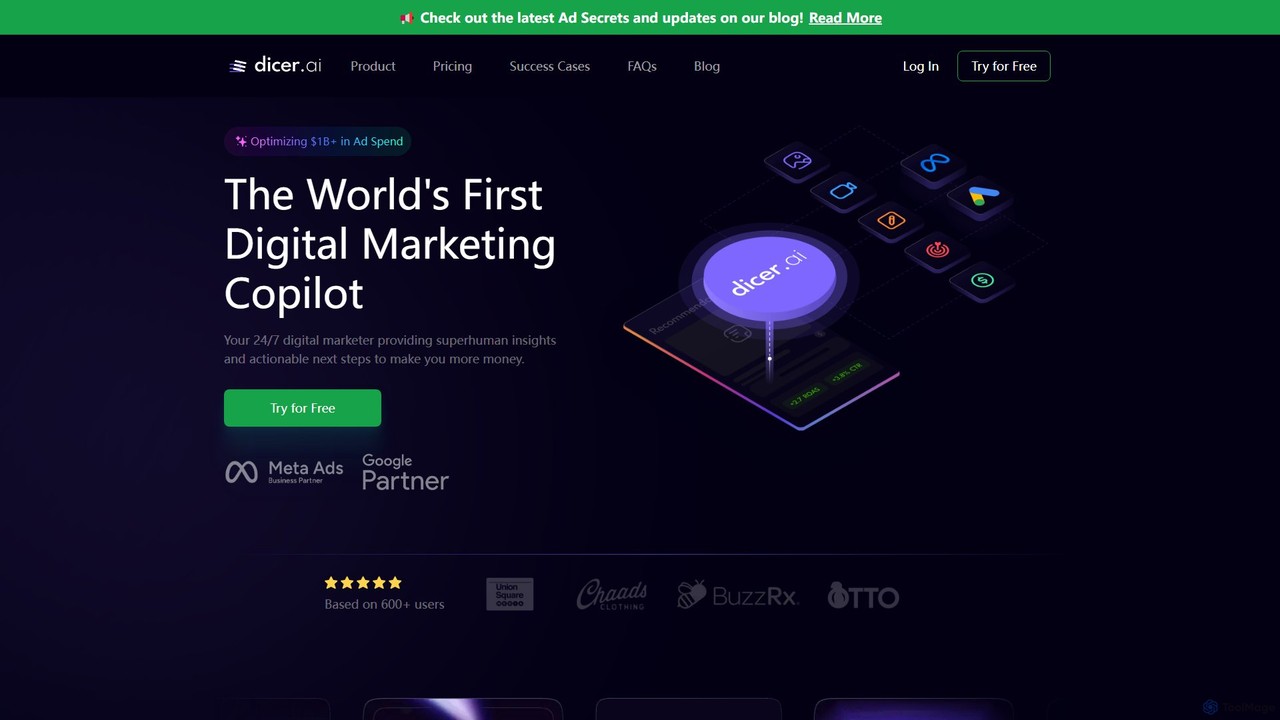
Dicer.ai is an AI-powered digital marketing copilot that analyzes ad campaigns and creatives to deliver superhuman insights and …

3.5K

About Intelligence

Intelligence tools are AI-powered platforms designed to extract, analyze, and present complex business data, transforming it into actionable insights for strategic decision-making. Leveraging advanced machine learning, natural language processing, and predictive analytics, these tools go beyond traditional reporting to uncover hidden patterns, forecast future trends, and provide a deeper understanding of market dynamics, customer behavior, and operational performance. They empower businesses within the broader Business AI category to optimize strategies, identify growth opportunities, mitigate risks, and gain a significant competitive advantage by making truly data-driven choices.

Core Features

  • Advanced Data Analysis: Utilizes sophisticated AI algorithms to process vast, disparate datasets, identifying complex correlations, anomalies, and key performance indicators that human analysis might miss.
  • Predictive Modeling: Develops robust statistical and machine learning models to forecast future business outcomes, anticipate market shifts, predict customer churn, and optimize resource allocation.
  • Automated Reporting & Visualization: Generates customizable, interactive dashboards and reports with real-time data visualizations, simplifying complex information into easily digestible formats for various stakeholders.
  • Competitive Intelligence Gathering: Scans and analyzes external data sources, including market trends, competitor activities, and public sentiment, to provide a comprehensive view of the competitive landscape.
  • Natural Language Querying (NLQ): Allows users to interact with data by asking questions in plain, conversational language, receiving instant, data-backed answers without requiring complex SQL queries or coding skills.

Applicable Scenarios

These tools are indispensable for business leaders, data analysts, marketing strategists, and operations managers across diverse industries. They are crucial for understanding nuanced customer behavior, optimizing complex supply chains, identifying lucrative new market segments, and rigorously assessing the effectiveness of marketing and sales campaigns. For example, a retail company might use Intelligence tools to predict seasonal demand for specific products and optimize inventory, while a financial institution could leverage them to identify potential fraud patterns in real-time or assess investment risks with greater precision. Manufacturing firms can optimize production schedules and predict equipment failures.

How to Choose

When selecting an Intelligence tool, consider its data integration capabilities with your existing CRM, ERP, and other data sources, ensuring seamless data flow. Evaluate the breadth and depth of its analytical features, distinguishing between descriptive, diagnostic, predictive, and prescriptive capabilities. Assess the clarity, customizability, and interactivity of its data visualization options, and its scalability to handle growing data volumes and user bases. Furthermore, prioritize ease of use for non-technical business users, the level of AI automation for insight generation, and the vendor's commitment to data governance, security compliance, and ongoing support.

IntelligenceUse Cases

1

Market Trend Prediction for Product Development

Product managers and R&D teams utilize AI Intelligence tools to analyze vast amounts of market data, including social media trends, news articles, and competitor product launches. By identifying emerging consumer preferences and technological shifts, they can accurately predict future market demands and inform the development of innovative products that align with upcoming trends, reducing time-to-market and increasing success rates.

2

Customer Churn Prevention and Retention

Customer success and sales teams deploy Intelligence tools to monitor customer behavior, engagement metrics, and support interactions. The AI identifies patterns indicative of potential churn, such as decreased usage or negative sentiment. This allows teams to proactively intervene with targeted offers, personalized support, or educational resources, significantly improving customer retention rates and lifetime value.

3

Optimizing Supply Chain Efficiency and Cost

Operations and logistics managers leverage Intelligence tools to analyze real-time data from inventory levels, shipping routes, supplier performance, and demand forecasts. The AI identifies bottlenecks, predicts potential disruptions, and suggests optimal routing or inventory adjustments. This leads to reduced operational costs, minimized waste, improved delivery times, and enhanced overall supply chain resilience.

4

Formulating Data-Driven Competitive Strategies

Strategic planning and executive teams use Intelligence tools to continuously monitor competitor activities, pricing strategies, product releases, and market share shifts. By analyzing public data, news, and industry reports, the AI provides a comprehensive competitive landscape. This enables businesses to identify strategic gaps, anticipate competitor moves, and formulate proactive strategies to maintain or gain market leadership.

5

Real-time Financial Risk Assessment

Financial analysts and compliance officers utilize Intelligence tools to process vast financial datasets, including transaction histories, market fluctuations, and regulatory changes. The AI identifies unusual patterns, potential fraud indicators, and assesses credit risks or investment volatility in real-time. This enhances risk management, ensures regulatory compliance, and supports more secure and profitable financial decisions.

6

Personalized Marketing Campaign Optimization

Marketing teams employ Intelligence tools to analyze individual customer data, including purchase history, browsing behavior, and demographic information. The AI segments customers into highly specific groups and predicts their likely responses to different marketing messages or offers. This enables the creation of hyper-personalized campaigns across various channels, leading to higher engagement rates, improved conversion, and a better return on marketing investment.

IntelligenceFrequently Asked Questions