ToolMage
Sign in

Best 3 Internal Communication AI tools for Business

Popular Internal Communication AI tools in Business include Ordinal for Gov, Aiden, and Slite, helping you work more efficiently.

Slite
Freemium

Slite

Slite is an AI-powered knowledge base and team collaboration tool. It serves as a single source of truth, helping teams organize their documents, share knowledge, and make decisions asynchronously. Its core AI feature, 'Ask', allows users to find answers from across the entire workspace using natural language questions, making information instantly accessible.

Internal Communication
Visits 5.6KFavorites 142Likes 126
Aiden
Paid

Aiden

Aiden Solutions provides a powerful platform for creating custom AI-powered chatbots trained on your unique business data. Designed for B2B, B2C, and internal support, Aiden enhances customer service, streamlines operations, and improves communication. Key features include seamless multi-platform integration, advanced analytics, bulk document uploads, and full brand customization to boost efficiency and user satisfaction.

Internal Communication
Visits 7.4KFavorites 136Likes 136
Ordinal for Gov
Paid

Ordinal for Gov

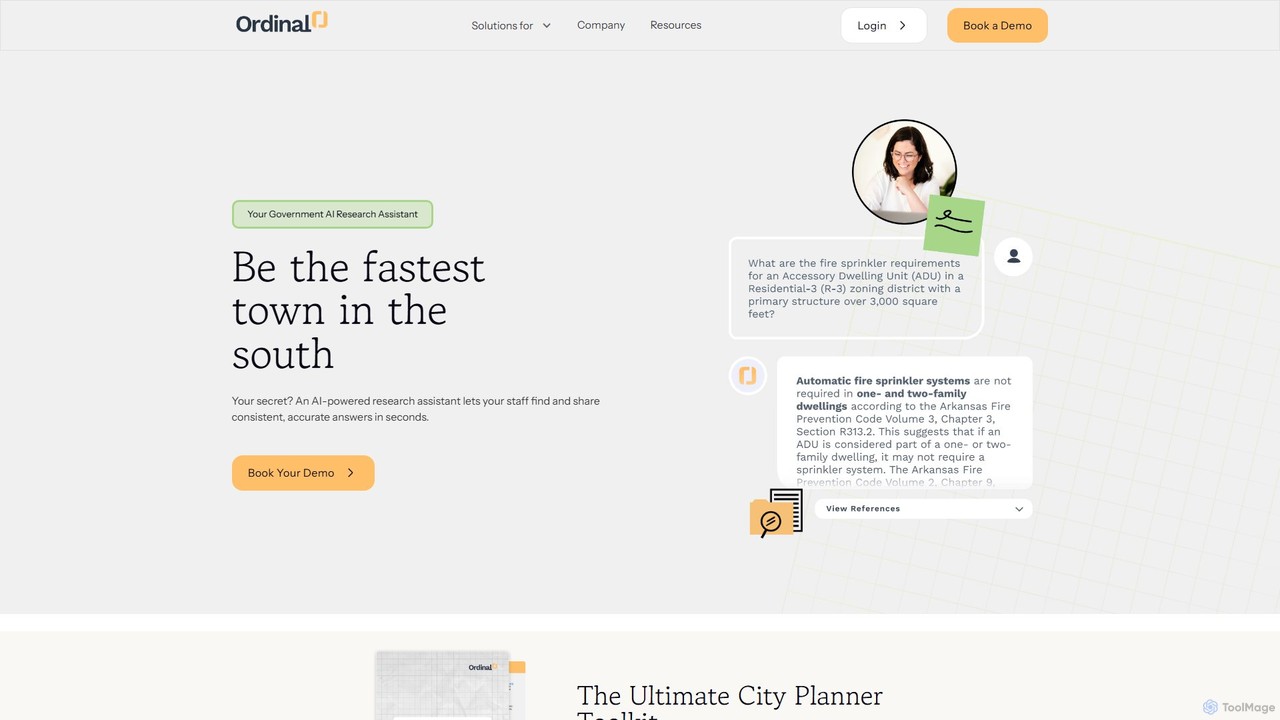
Ordinal for Gov is an AI-powered research and knowledge management platform designed specifically for government teams. It transforms your approved documents, GIS data, and municipal codes into a secure, searchable knowledge base. Staff can ask questions in natural language and receive instant, accurate answers with direct references, saving significant time, improving efficiency, and preserving institutional knowledge.

Internal Communication
Visits 9.7KFavorites 103Likes 114

About Internal Communication

AI Internal Communication tools are a class of software that uses artificial intelligence to streamline and enhance how teams share information within an organization. They leverage natural language processing (NLP) and machine learning to automate summaries, personalize information delivery, and analyze employee sentiment from various communication channels. This helps businesses reduce information overload, improve cross-departmental collaboration, and gain actionable insights into employee engagement. Unlike traditional platforms, these tools can proactively identify communication bottlenecks and surface relevant knowledge automatically.

Core Features

  • Intelligent Summarization: Automatically condenses long chat threads, documents, and meeting transcripts into concise summaries.
  • Sentiment Analysis: Gauges employee morale and feedback by analyzing language in internal chats, surveys, and comments.
  • Personalized Information Feeds: Delivers relevant company updates and knowledge to employees based on their role, team, and projects.
  • Cross-Platform Search: Enables users to find information with a single query across multiple internal systems like Slack, Confluence, and Google Drive.
  • Automated Q&A Bots: Provides instant, accurate answers to common employee questions regarding HR policies, IT support, and company information.

Use Cases

These tools are particularly valuable for large enterprises, remote-first companies, and rapidly growing organizations. Human Resources departments use them to automate onboarding and gauge employee sentiment. Corporate Communications teams leverage them to ensure key messages reach the right audience. Project managers rely on them to keep cross-functional teams aligned without constant meetings.

How to Choose

When selecting an AI Internal Communication tool, consider its integration capabilities with your existing software stack (e.g., Slack, Microsoft Teams, HRIS). Evaluate its security and data privacy policies to ensure compliance. Assess the depth of its analytics and reporting features to measure communication effectiveness. Finally, consider its scalability to support your organization's future growth.

Internal Communication use cases

1

Automate New Hire Onboarding Communication

HR teams use AI-powered bots to streamline the onboarding process for new employees. The bot can automatically send welcome messages, distribute essential documents like handbooks and policy guides, and answer frequently asked questions about benefits, IT setup, and company culture 24/7. This ensures every new hire receives consistent, timely information, freeing up HR personnel to focus on more strategic, human-centric tasks and creating a positive initial experience for the employee.

2

Generate Summaries of Company-Wide Meetings

For distributed teams across different time zones, attending every all-hands meeting is challenging. An AI tool can automatically transcribe and summarize these meetings. Employees who couldn't attend, or those who want a quick refresher, can read a concise summary with key decisions, action items, and highlights in minutes. This improves information accessibility and ensures all team members, regardless of their location, stay aligned with company-wide objectives and updates.

3

Analyze Employee Sentiment from Internal Feedback

Corporate communications and HR teams can use AI to analyze sentiment across internal channels like Slack, Teams, or company surveys. After a major announcement or policy change, the tool can process thousands of comments to gauge the overall employee reaction—identifying common themes of concern, excitement, or confusion. This provides leadership with real-time, data-driven feedback, allowing them to address issues proactively and communicate more effectively.

4

Build an Intelligent Internal Knowledge Base

An AI-powered communication tool can act as a central, searchable brain for all company knowledge. It connects to disparate sources like Confluence, Google Drive, and SharePoint. An employee can ask a natural language question, such as 'What is our Q4 marketing budget?', and the AI will find and synthesize the most relevant answer from multiple documents. This eliminates time wasted searching for information and breaks down knowledge silos between departments.

5

Deliver Personalized Company News Feeds

In a large organization, not all news is relevant to every employee. AI can curate a personalized internal news feed for each individual. Based on their role, department, location, and project involvement, the system delivers targeted updates. For example, engineers receive technical release notes while the sales team gets updates on new marketing collateral. This reduces information noise, increases the relevance of communications, and boosts engagement with company-wide updates.

6

Identify and Bridge Knowledge Silos

By analyzing communication patterns and search queries, AI tools can identify knowledge gaps within an organization. For instance, if many employees from different departments are repeatedly asking the same question about a new software tool, the AI can flag this as a potential knowledge silo. This insight allows management to create targeted documentation, schedule a training session, or designate an expert to address the gap, fostering better cross-functional collaboration and efficiency.

Internal Communication FAQ

What are AI Internal Communication tools?

AI Internal Communication tools are software platforms that use artificial intelligence to improve how information is shared and managed within a company. Their primary goal is to combat information overload and enhance employee engagement. Key features often include automatic summarization of long conversations, sentiment analysis of employee feedback, and a centralized, intelligent search function that can pull answers from across all company applications.

How do AI tools differ from platforms like Slack or Microsoft Teams?

Slack and Microsoft Teams are primarily communication *channels*—they are the places where conversations happen. AI Internal Communication tools are an *intelligence layer* that works with or on top of these channels. While you chat in Slack, the AI tool can work in the background to:

  • Summarize a channel you've been away from.
  • Find an answer to a question by searching across Slack, Confluence, and other apps simultaneously.
  • Analyze the overall sentiment of a discussion without you having to read every message.
In short, platforms like Slack host the communication, while AI tools help you make sense of it all.

How do I choose the right AI Internal Communication tool?

Choosing the right tool depends on your company's specific needs. Consider these key factors:

  • Integrations: Does it connect seamlessly with the tools your team already uses (e.g., Slack, Google Workspace, Jira, HRIS)?
  • Security and Compliance: How does the tool handle sensitive company data? Ensure it meets your industry's compliance standards (e.g., GDPR, SOC 2).
  • Key Features: Identify your primary pain point. Do you need better search, meeting summaries, or sentiment analysis? Choose a tool that excels in that area.
  • Scalability: Will the tool be able to support your company as it grows in size and complexity?

What key problems do these tools solve for businesses?

AI Internal Communication tools primarily address three major business challenges:

  • Information Overload: They cut through the noise by summarizing key information and personalizing content feeds, ensuring employees see what's most relevant to them.
  • Knowledge Silos: By providing a unified search across all company platforms, they make it easy to find information and experts, breaking down barriers between departments.
  • Lack of Engagement Insights: They offer data-driven insights into employee sentiment and communication effectiveness, allowing leadership to make more informed decisions to improve company culture and morale.

Who benefits most from using AI for internal communication?

While any company can benefit, certain types of organizations see the most significant impact:

  • Large or Enterprise Companies: With thousands of employees, manually managing communication is impossible. AI helps scale communication effectively.
  • Remote-First or Hybrid Organizations: AI tools help bridge the physical distance by ensuring everyone has access to the same information and feels connected.
  • Rapidly Growing Companies: As companies scale quickly, communication often breaks down. AI helps maintain alignment and a cohesive culture during periods of high growth.
  • Departments like HR and Corporate Comms: These teams are directly responsible for employee engagement and information dissemination, and AI tools act as a force multiplier for their efforts.