BraidInnovations
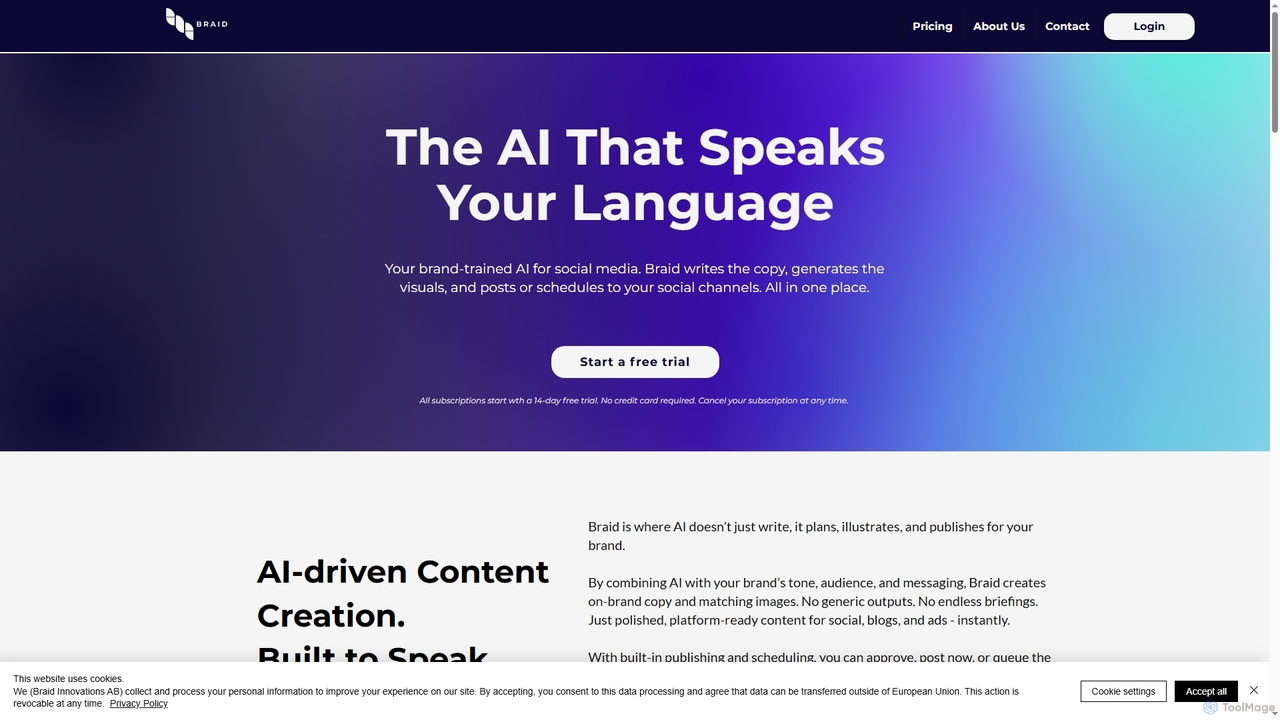
BraidInnovations is an AI-powered content studio designed for social media. It creates on-brand copy and matching visuals, then …
BraidInnovations is an AI-powered content studio designed for social media. It creates on-brand copy and matching visuals, then posts or schedules them directly to your social channels. By integrating your brand's unique tone, audience, and messaging, BraidInnovations eliminates generic outputs, saving marketing teams hours weekly while ensuring consistent, high-quality content across platforms.
AdKraft
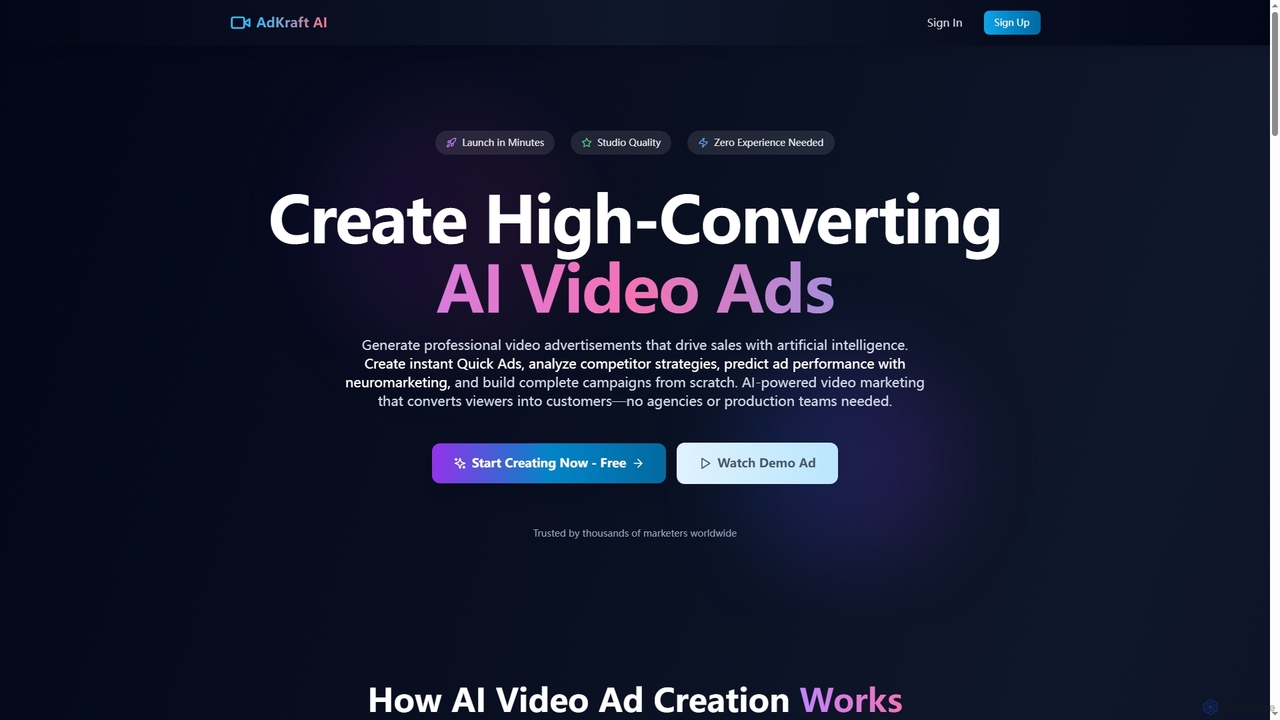
AdKraft is an AI-powered video marketing platform that enables businesses and marketers to create high-converting video advertisements in …
AdKraft is an AI-powered video marketing platform that enables businesses and marketers to create high-converting video advertisements in minutes without prior video editing experience. It leverages artificial intelligence to generate scripts, storyboards, voiceovers, and professional-grade video content, while also offering competitor analysis, neuromarketing insights, and pre-launch performance prediction to optimize ad spend and maximize ROI.
About Marketing Automation
Marketing Automation tools are AI-powered platforms designed to streamline and automate repetitive marketing tasks, personalize customer interactions, and optimize campaign performance. These tools leverage machine learning and data analytics to understand customer behavior, predict trends, and execute targeted actions across various channels. By automating workflows, they free up marketers' time, enhance customer engagement, and drive more efficient, data-driven marketing strategies.
Core Features
- Automated Email Campaigns: Design, schedule, and send personalized email sequences based on user behavior and segmentation.
- Lead Nurturing & Scoring: Automatically qualify, score, and nurture leads through tailored content and engagement paths.
- Dynamic Content Personalization: Deliver real-time, individualized website content, product recommendations, and offers to visitors.
- Social Media Management: Schedule posts, monitor engagement, and optimize content distribution across multiple social platforms.
- Customer Journey Mapping: Visualize and automate customer interactions and touchpoints throughout their lifecycle.
Applicable Scenarios
E-commerce businesses utilize marketing automation for abandoned cart recovery, personalized product recommendations, and post-purchase follow-ups. SaaS companies deploy these tools for user onboarding, feature adoption campaigns, and re-engagement of inactive users. B2B marketers leverage automation for lead generation, qualification, and seamless handoff to sales teams, ensuring a consistent and personalized prospect experience.
How to Choose
When selecting a Marketing Automation platform, consider its integration capabilities with your existing CRM, CMS, and analytics tools to ensure a unified data flow. Evaluate the depth of its AI features, such as predictive analytics and natural language generation, for advanced personalization. Assess scalability to accommodate future growth, and prioritize platforms with an intuitive interface, robust support, and transparent pricing models that align with your budget and feature requirements.

Marketing AutomationUse Cases
Automating Personalized Email Sequences
Email marketers frequently manage extensive subscriber lists and need to send targeted communications. Marketing automation tools allow them to design multi-stage email campaigns that trigger based on specific user actions, such as signing up, browsing certain products, or abandoning a cart. AI analyzes user behavior to personalize subject lines, content, and offers, significantly increasing open rates and conversion while reducing manual effort for campaign management.
Dynamic Website Content Personalization
Website managers and digital marketers aim to provide a highly relevant experience for every visitor. With marketing automation, AI analyzes real-time visitor data, including location, browsing history, and demographics, to dynamically adjust website elements. This includes personalized product recommendations, tailored calls-to-action, or specific content blocks, leading to improved user engagement, longer session durations, and higher conversion rates by showing the most relevant information.
Lead Scoring and Nurturing for B2B Sales
B2B sales and marketing teams often struggle to identify and prioritize high-potential leads from a large pool. Marketing automation platforms use AI to assign scores to leads based on their engagement with content, website visits, and demographic data. High-scoring leads are automatically enrolled in tailored nurturing campaigns with relevant content, while low-scoring leads receive different content, streamlining the lead qualification process and shortening sales cycles.
Optimizing Social Media Content Scheduling
Social media managers need to maintain a consistent brand presence and maximize reach across various platforms. Marketing automation tools leverage AI to analyze audience behavior and platform algorithms, suggesting optimal posting times and content variations. They automate the scheduling and publishing of posts, monitor engagement metrics, and provide insights to refine future content strategies, leading to increased audience interaction and brand visibility with less manual oversight.
Enhancing Customer Retention with Proactive Engagement
Customer success and retention managers focus on reducing churn and fostering long-term loyalty. Marketing automation identifies customers at risk of churning based on usage patterns or inactivity. It then triggers personalized re-engagement campaigns, such as special offers, helpful tutorials, or direct support outreach. This proactive approach helps maintain customer satisfaction, increases customer lifetime value, and strengthens brand advocacy by addressing needs before they escalate.
Predictive Ad Campaign Optimization
Performance marketers are constantly seeking to maximize the return on investment for their paid advertising campaigns. Marketing automation, powered by AI, analyzes vast amounts of historical campaign data to predict future performance trends. It automatically adjusts bidding strategies, refines audience targeting, and optimizes ad creatives in real-time across platforms like Google Ads and social media. This leads to significantly improved ad spend efficiency, higher conversion rates, and overall better campaign performance.