Business Best in category 2 results Optimization AI Tool

Popular AI tools in the Optimization field of Business include olintek、RankinAE, etc., helping you quickly improve efficiency.

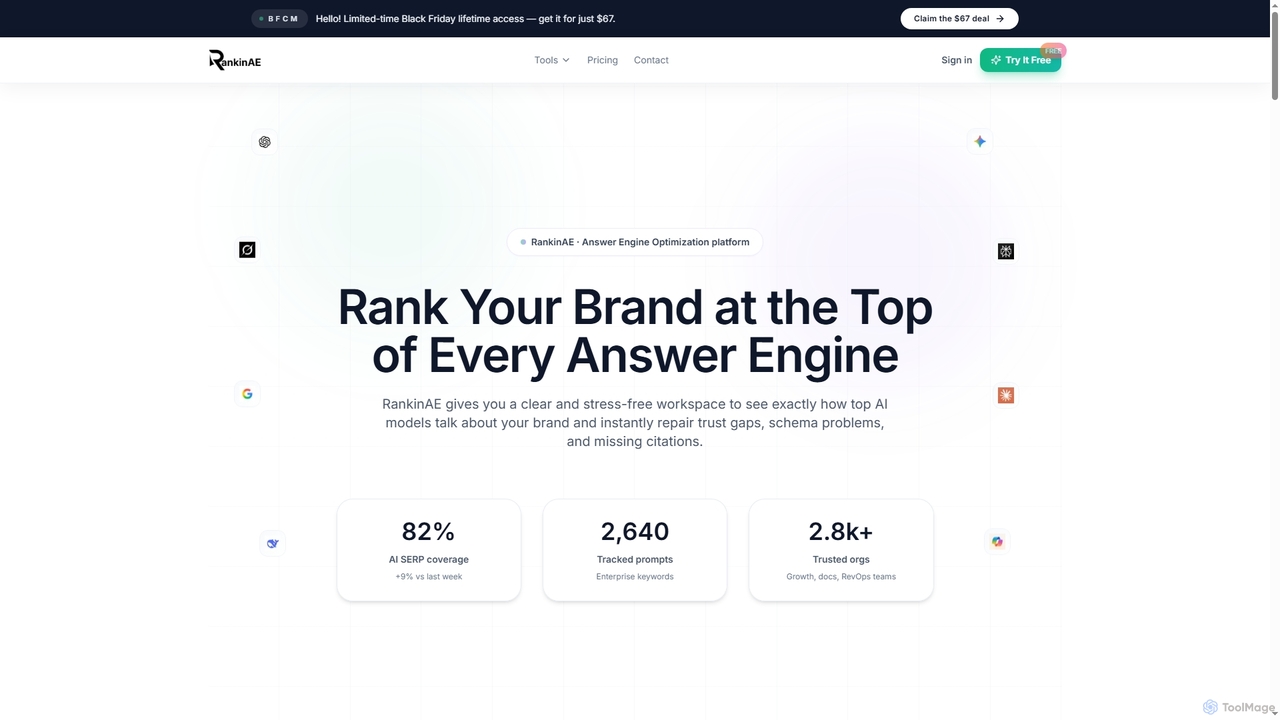
RankinAE

RankinAE

RankinAE is an Answer Engine Optimization (AEO) platform designed to help brands achieve top visibility and accurate representation …

2.3K
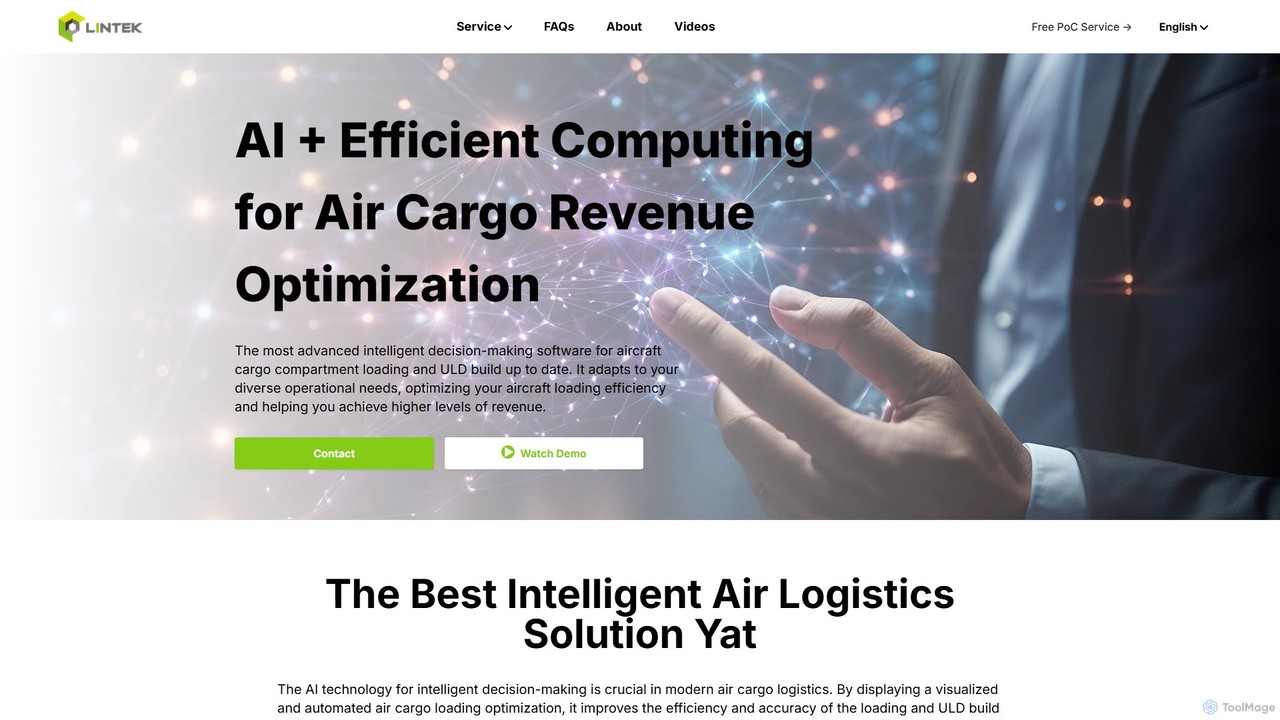
olintek

olintek

olintek is an AI-powered software platform specializing in air cargo logistics. It provides intelligent decision-making tools for aircraft …

4.0K

About Optimization

Optimization AI tools are designed to enhance business performance by identifying inefficiencies, streamlining processes, and maximizing resource utilization. These tools leverage advanced algorithms, machine learning, and data analytics to analyze complex datasets, predict outcomes, and recommend optimal strategies. Within the broader context of business AI, they empower organizations to make data-driven decisions, reduce operational costs, and achieve strategic objectives across various functions, from supply chain to marketing.

Core Features

  • Predictive Analytics: Forecast future trends and potential bottlenecks to enable proactive decision-making.
  • Resource Allocation: Dynamically assign resources like personnel, budget, or inventory for maximum efficiency.
  • Process Automation & Improvement: Identify and automate repetitive tasks, and suggest improvements for existing workflows.
  • Performance Monitoring: Continuously track key metrics and provide real-time insights into operational health.
  • Scenario Modeling: Simulate different strategies and their potential outcomes to inform strategic planning.

Applicable Scenarios

Businesses across various sectors utilize optimization AI. For instance, logistics companies use it to optimize delivery routes and warehouse operations, reducing fuel costs and delivery times. Marketing teams apply it to fine-tune campaign spending and audience targeting for higher ROI. Manufacturing firms deploy these tools to optimize production schedules and inventory levels, minimizing waste and maximizing output.

How to Choose

When selecting an Optimization AI tool, consider its specific domain focus (e.g., supply chain, marketing, finance), the depth of its analytical capabilities, and its integration potential with existing business systems. Evaluate the ease of use, scalability for future growth, and the level of customization offered to align with unique business processes. Finally, assess the vendor's support and the tool's ability to provide actionable, interpretable insights.

OptimizationUse Cases

1

Optimizing Supply Chain Logistics

Logistics managers can leverage optimization AI to analyze vast amounts of data on routes, traffic, weather, and delivery schedules. The tool then recommends the most efficient routes, optimal vehicle loading, and precise delivery windows, significantly reducing fuel consumption, operational costs, and improving on-time delivery rates. This leads to a more resilient and cost-effective supply chain.

2

Dynamic Pricing Strategy for E-commerce

E-commerce businesses can use optimization AI to implement dynamic pricing. By analyzing real-time market demand, competitor prices, inventory levels, and customer behavior, the AI automatically adjusts product prices to maximize revenue and profit margins. This ensures competitive pricing while capitalizing on peak demand periods, potentially increasing sales by 10-20%.

3

Workforce Scheduling Optimization

Operations managers in retail, healthcare, or manufacturing can utilize optimization AI to create efficient staff schedules. The AI considers employee availability, skill sets, labor laws, demand forecasts, and cost constraints to generate optimal shifts, minimizing overtime expenses, ensuring adequate coverage during peak hours, and improving employee satisfaction by accommodating preferences, leading to significant labor cost savings.

4

Marketing Campaign Budget Allocation

Marketing analysts can employ optimization AI to strategically allocate campaign budgets across various channels (e.g., social media, search ads, email). The AI analyzes historical performance data, audience demographics, and conversion rates to determine the most effective distribution, maximizing ROI and achieving specific marketing goals like lead generation or brand awareness with a 15-25% improvement in campaign efficiency.

5

Energy Consumption Optimization in Facilities

Facility managers in large commercial buildings or industrial plants can use optimization AI to reduce energy consumption. The AI integrates data from sensors, weather forecasts, occupancy patterns, and energy prices to intelligently control HVAC systems, lighting, and machinery. This proactive management can lead to significant reductions in utility bills, often by 20-30%, and a smaller carbon footprint.

6

Inventory Management & Demand Forecasting

Retailers and manufacturers can deploy optimization AI for advanced inventory management. By analyzing historical sales data, seasonal trends, promotional impacts, and external factors, the AI accurately forecasts future demand. This enables businesses to optimize stock levels, minimize carrying costs, reduce waste from overstocking, and prevent lost sales due to stockouts, leading to improved cash flow and customer satisfaction.

OptimizationFrequently Asked Questions