Business Best in category 1 results Organizational Chart AI Tool

Popular AI tools in the Organizational Chart field of Business include GoProfiles, etc., helping you quickly improve efficiency.

GoProfiles

GoProfiles

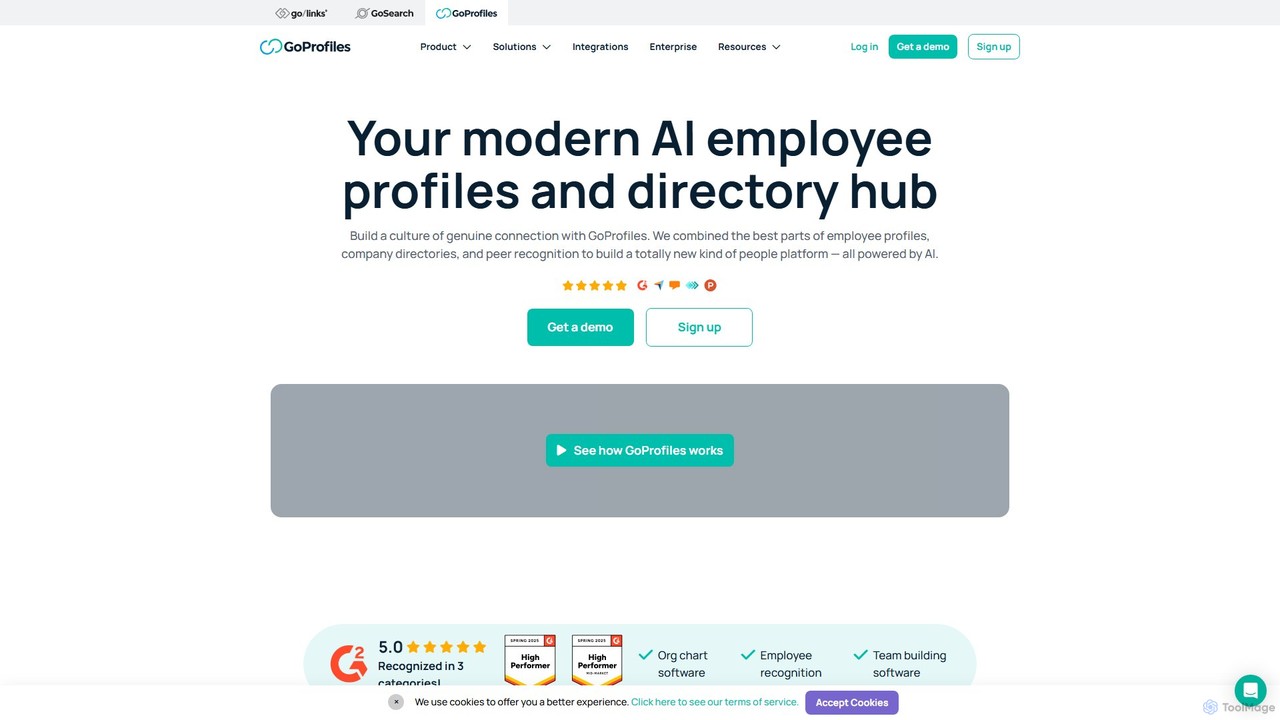
GoProfiles is an AI-powered people platform designed to foster connection and engagement in the workplace, especially for remote …

8.1K

About Organizational Chart

Organizational Chart tools are AI-powered solutions designed to visualize, create, and manage company structures efficiently. These tools leverage AI to automate chart generation, integrate with HR data, and provide dynamic insights into reporting lines, roles, and departments. They significantly improve clarity, facilitate strategic workforce planning, and enhance internal communication by offering an up-to-date, interactive view of the organization.

Core Features

  • Automated Chart Generation: Quickly builds comprehensive organizational charts from existing employee data or spreadsheets.
  • Dynamic Data Integration: Syncs with HRIS or employee databases for real-time updates and accurate representation.
  • Drag-and-Drop Interface: Allows for intuitive editing, restructuring, and customization of chart layouts.
  • Role & Responsibility Mapping: Clearly defines positions, reporting relationships, and departmental functions within the structure.
  • Collaboration & Version Control: Supports team collaboration on charts with tracking of changes and easy sharing options.

Applicable Scenarios

These tools are invaluable for HR and talent management teams for onboarding, workforce planning, and succession planning. They also assist leadership in strategic planning, such as visualizing new structures during mergers or departmental reorganizations. Furthermore, they enhance internal communication by providing employees with a clear, accessible view of the company's hierarchy and departmental functions.

How to Choose

When selecting an Organizational Chart tool, consider its integration capabilities with your existing HR systems to ensure seamless data flow. Evaluate the level of customization and template options available to match your company's specific needs and branding. Scalability is crucial, ensuring the tool can grow with your organization, from small teams to large enterprises. Finally, assess collaboration features and ease of use to maximize team productivity and adoption.

Organizational ChartUse Cases

1

Streamlining Employee Onboarding

HR teams utilize AI organizational chart tools to provide new hires with an interactive and clear understanding of the company's structure. By visualizing reporting lines, departmental functions, and key contacts, new employees can quickly grasp their place within the organization, accelerating their integration and reducing initial confusion. This proactive approach saves HR staff significant time spent on repetitive explanations.

2

Facilitating Workforce Planning

HR managers and executives leverage AI organizational chart tools to visualize current staffing levels and model future workforce scenarios. By integrating with HR data, they can identify skill gaps, analyze departmental growth, and plan for restructuring or expansion. This dynamic visualization supports strategic decision-making, ensuring the organization has the right talent in the right places for future objectives.

3

Visualizing Project Team Structures

Project managers can quickly create temporary organizational charts for cross-functional project teams using these AI tools. This helps in clearly defining roles, responsibilities, and reporting lines for specific projects, ensuring all team members understand their position and communication paths. The ability to rapidly generate and modify these project-specific charts enhances coordination and efficiency, especially in agile environments.

4

Supporting Merger & Acquisition Integration

Leadership teams utilize AI organizational chart tools to map out combined organizational structures during mergers and acquisitions. These tools allow for the identification of redundancies, the planning of new reporting lines, and the visualization of integrated departments. This capability is crucial for strategic integration, helping to streamline the transition process and ensure a smoother post-acquisition operational setup.

5

Enhancing Internal Communication & Transparency

Companies publish interactive organizational charts created with AI tools to foster greater transparency and improve internal communication. Employees can easily navigate the company hierarchy, understand departmental functions, and quickly locate colleagues and their reporting managers. This accessibility reduces communication silos and empowers employees with a clearer understanding of the overall business structure.

6

Optimizing Departmental Restructuring

Executives and department heads use AI organizational chart tools to model and analyze different organizational layouts before implementing changes. They can simulate the impact of restructuring on reporting lines, resource allocation, and team dynamics. This allows for data-driven decision-making, ensuring that any departmental reorganization is optimized for efficiency and strategic alignment, minimizing disruption and maximizing positive outcomes.

Organizational ChartFrequently Asked Questions