AI Assistant
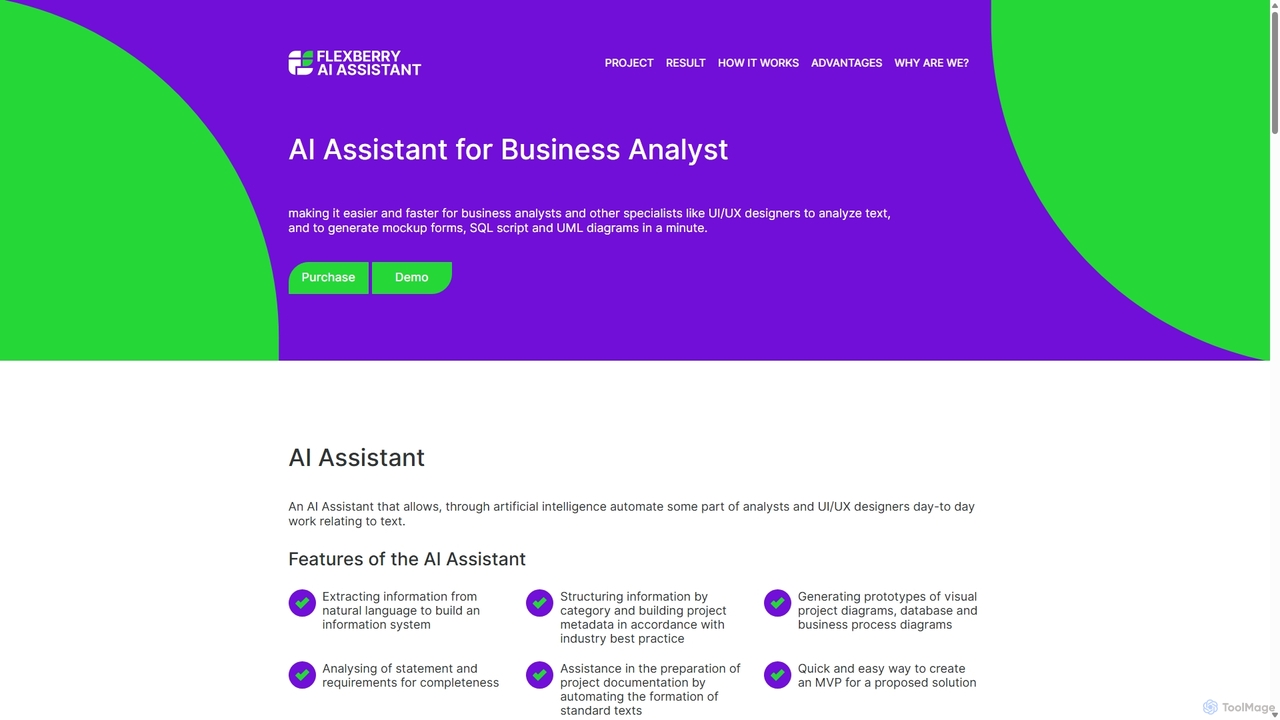
An AI-powered tool for business analysts and UI/UX designers that automates the creation of technical artifacts. It transforms …
An AI-powered tool for business analysts and UI/UX designers that automates the creation of technical artifacts. It transforms natural language requirements into UML diagrams, SQL scripts, and UI mockups, accelerating the system design and development process.
Gluecharm
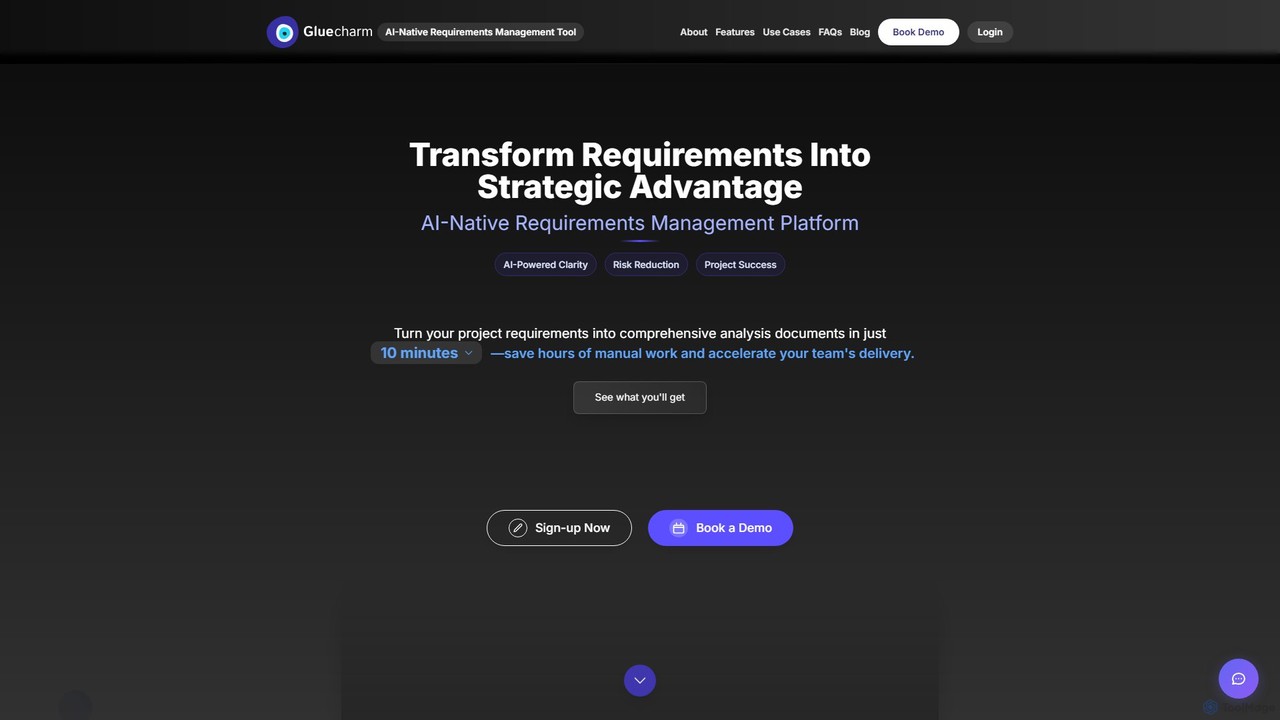
Gluecharm is an AI-native requirements management platform designed to streamline the software development lifecycle. It automates the gathering, …
Gluecharm is an AI-native requirements management platform designed to streamline the software development lifecycle. It automates the gathering, analysis, and documentation of project requirements, transforming stakeholder inputs into comprehensive specifications and actionable user stories in minutes, saving significant time and reducing project risks.
PaceAI
PaceAI is an AI-powered assistant for IT professionals, designed to streamline software documentation. It offers over 35 specialized …
PaceAI is an AI-powered assistant for IT professionals, designed to streamline software documentation. It offers over 35 specialized tools to generate, analyze, and simplify documents across the entire software development lifecycle (SDLC). From creating user stories and business requirements to generating flowcharts and product visions, PaceAI helps teams save significant time, improve communication, and ensure clarity on IT projects. It's trusted by over 30,000 professionals to enhance productivity and collaboration.
About Requirements Management
Requirements Management refers to the systematic process of documenting, analyzing, tracing, prioritizing, and agreeing on requirements for a product, system, or project. These AI-powered tools leverage advanced algorithms to streamline the entire requirements lifecycle, from initial elicitation to final delivery. They aim to enhance clarity, reduce ambiguities, and ensure all stakeholders are aligned, ultimately contributing to successful project outcomes within the broader business context.
Core Features
- Automated Elicitation: AI assists in gathering and structuring requirements from various sources like user feedback, documents, and conversations.
- Intelligent Analysis & Prioritization: Tools use AI to identify dependencies, conflicts, and prioritize requirements based on business value and risk.
- Real-time Traceability: Automatically links requirements to design, development, and testing artifacts, providing end-to-end visibility.
- Version Control & Collaboration: Manages changes to requirements over time and facilitates seamless teamwork among stakeholders.
- Impact Analysis: Predicts the potential effects of requirement changes on project scope, schedule, and resources.
Applicable Scenarios
Requirements Management tools are crucial for organizations undertaking complex projects, such as software development, product innovation, or system integration. They are widely adopted by product managers, business analysts, project managers, and development teams to maintain a single source of truth for project needs, ensuring that the final deliverable meets user expectations and business objectives.
How to Choose
When selecting an AI-powered Requirements Management tool, consider its integration capabilities with existing ALM (Application Lifecycle Management) and project management platforms. Evaluate its scalability for your team size and project complexity, the level of customization offered for workflows, and its reporting and analytics features for insights into requirement status and project health. User-friendliness and support for agile methodologies are also key considerations.

Requirements ManagementUse Cases
Automated User Story Generation for Software Development
A software development team needs to quickly translate raw user feedback and market research into actionable user stories. An AI Requirements Management tool can analyze unstructured text data from customer support tickets, social media, and competitor reviews, automatically identifying key user needs and generating structured user stories with acceptance criteria, significantly accelerating the initial phase of product backlog creation.
Intelligent Prioritization of Product Features
A product manager is overwhelmed with a large backlog of feature requests and needs to prioritize them effectively. The AI tool can evaluate each requirement based on predefined criteria such as estimated development effort, potential business value, strategic alignment, and technical dependencies, providing a data-driven prioritization score. This helps the product manager make informed decisions, optimizing resource allocation and maximizing ROI.
Real-time Impact Analysis for System Changes
An enterprise is planning a major update to its core IT system, involving numerous interconnected modules. Before implementing changes, a business analyst uses the AI Requirements Management tool to visualize the traceability matrix. The AI can instantly highlight all downstream components (e.g., test cases, code modules, user interfaces) that would be affected by a specific requirement change, enabling proactive risk assessment and efficient planning for modifications.
Cross-functional Alignment in Complex Engineering Projects
In a large-scale engineering project involving mechanical, electrical, and software teams, ensuring all requirements are consistent and understood across disciplines is critical. The AI tool can identify ambiguities, contradictions, or missing information in requirements specifications submitted by different teams. It flags potential conflicts and suggests clarifications, fostering better communication and preventing costly rework due to misinterpretations.
Automated Compliance Reporting for Regulated Industries
A medical device manufacturer must adhere to stringent regulatory standards (e.g., FDA, ISO). The AI Requirements Management tool can automatically generate comprehensive compliance reports by mapping specific requirements to relevant regulations, test results, and audit trails. This significantly reduces the manual effort and time required for audits, ensuring that all regulatory obligations are met and documented accurately.
Predictive Project Planning and Resource Allocation
A project manager is initiating a new project and needs to estimate timelines and resource needs accurately. By analyzing historical data from similar projects and the complexity of the newly defined requirements, the AI-powered tool can provide predictive insights into potential project duration, required team skills, and resource allocation. This enables more realistic planning, better budget control, and proactive risk mitigation.