Business Best in category 4 results Research AI Tool

Popular AI tools in the Research field of Business include Mulerun、Studio Global、Long Summary、Briefing AI, etc., helping you quickly improve efficiency.

Mulerun

Mulerun

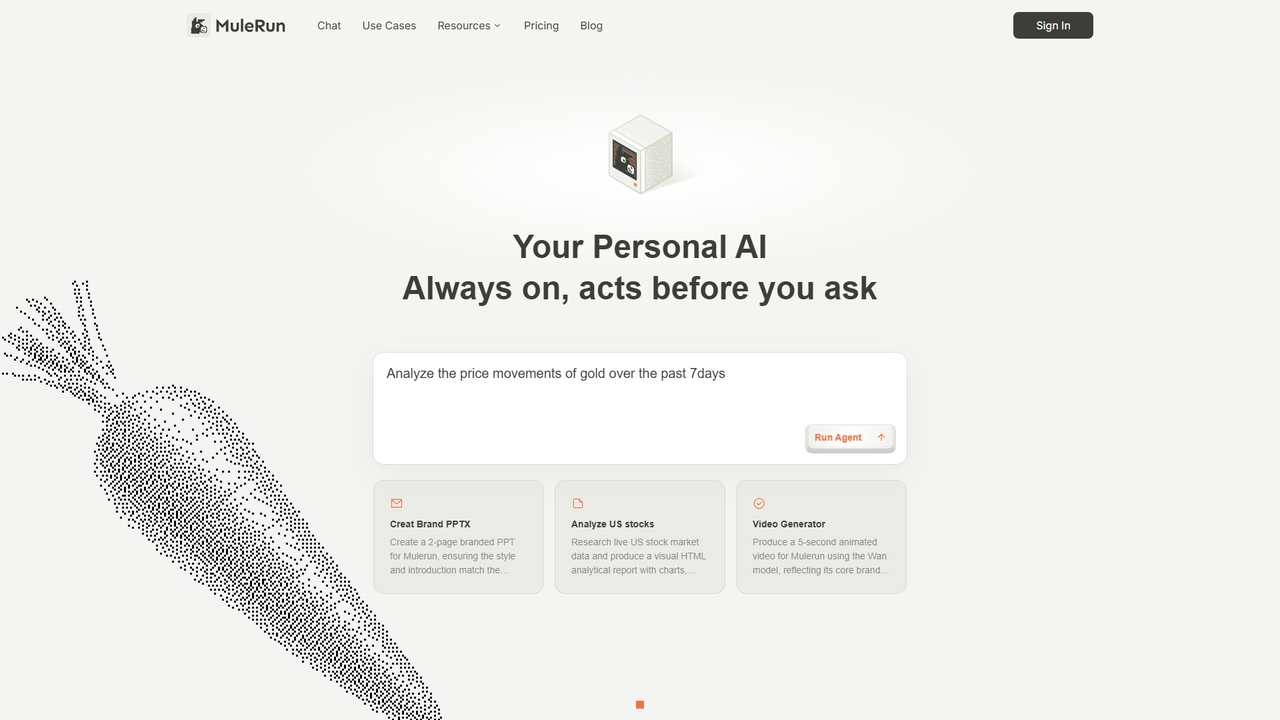
Mulerun is an always-on AI workforce that automates end-to-end workflows on a dedicated computer. Unlike chatbots, it executes …

670.6K
Briefing AI

Briefing AI

Briefing AI is an AI-powered meeting preparation tool that transforms any calendar invite into a comprehensive intelligence briefing …

3.2K
Studio Global

Studio Global

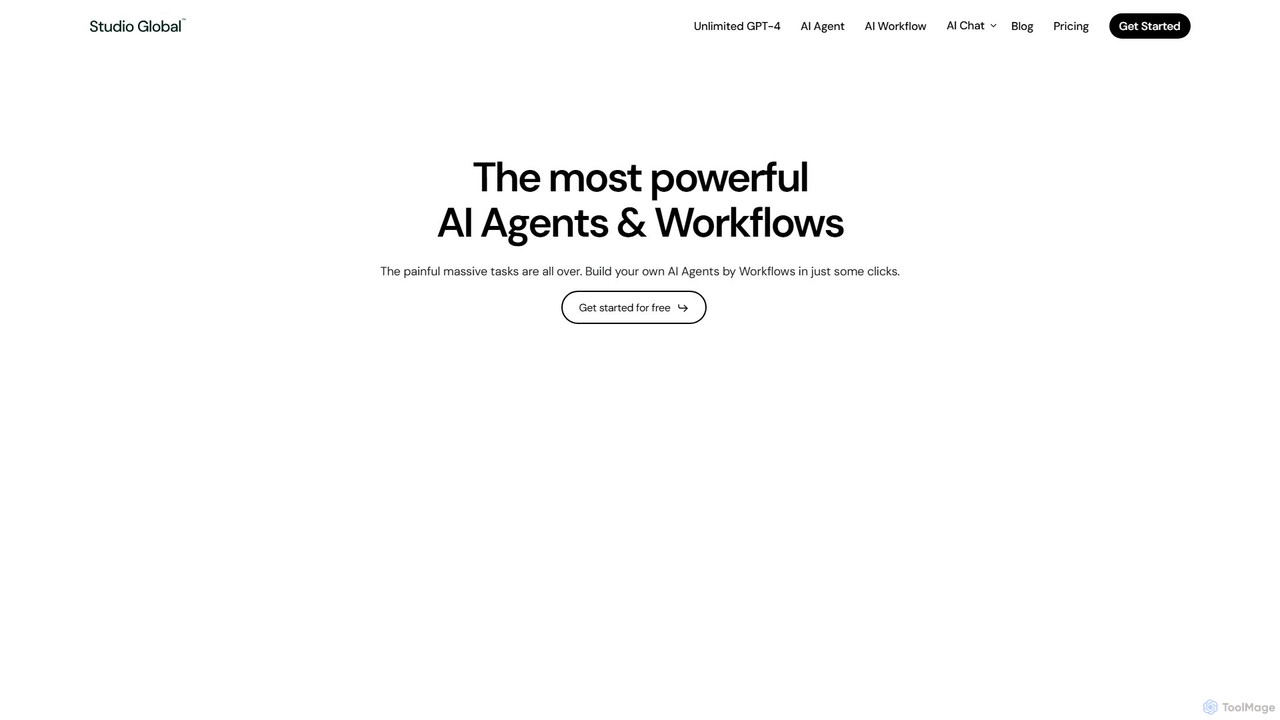
Studio Global is an all-in-one AI productivity platform that empowers users to build no-code AI agents and workflows. …

13.2K
Long Summary

Long Summary

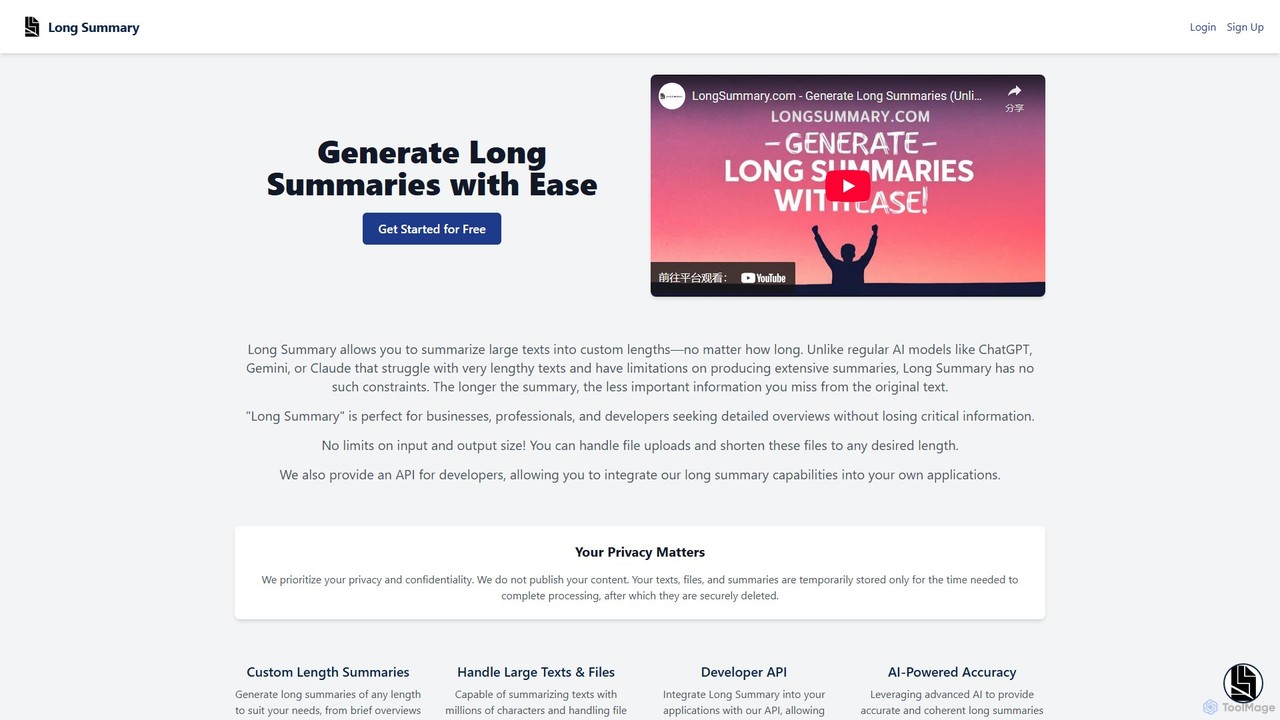
Long Summary is an AI-powered tool designed to summarize extremely long texts and files without any length limitations. …

3.3K

About Research

AI Research tools are specialized platforms that leverage artificial intelligence to automate and enhance various stages of the research process, particularly within a business context. These tools utilize advanced algorithms, including natural language processing and machine learning, to efficiently collect, analyze, and synthesize vast amounts of data. They empower businesses to gain deeper insights, identify trends, and make data-driven decisions with unprecedented speed and accuracy.

Core Features

  • Automated Data Collection: Efficiently gathers information from diverse sources like web pages, databases, and academic journals.
  • Natural Language Processing (NLP): Analyzes unstructured text data to extract key themes, sentiment, and entities.
  • Trend Identification: Detects emerging patterns and shifts in markets, consumer behavior, or scientific fields.
  • Report Generation: Automatically synthesizes findings into structured reports and visualizations.
  • Literature Review & Synthesis: Quickly sifts through academic papers and articles to identify relevant information and summarize key findings.

Use Cases

AI Research tools are invaluable for market intelligence, allowing businesses to track industry shifts and consumer preferences. They also support competitive analysis by monitoring competitor strategies and product launches. Furthermore, these tools significantly accelerate academic and scientific literature reviews, helping researchers stay abreast of new developments.

How to Choose

When selecting an AI Research tool, consider its data source compatibility (e.g., web, social media, proprietary databases), the depth and types of analysis it offers (e.g., sentiment, trend, entity extraction), and its integration capabilities with existing business intelligence systems. Ease of use, scalability, and the accuracy of its AI models are also crucial factors for effective implementation.

ResearchUse Cases

1

Identify Emerging Market Trends

Marketing and product development teams utilize AI research tools to continuously scan news, social media, and industry reports for emerging market trends and consumer interests. By analyzing vast datasets, these tools can pinpoint shifts in demand, new product categories, or evolving customer preferences, enabling businesses to adapt strategies proactively and launch relevant offerings.

2

Analyze Competitor Strategies

Business strategists and competitive intelligence units employ AI research tools to monitor competitors' activities, including product launches, pricing changes, marketing campaigns, and financial performance. The tools aggregate and analyze public data, providing insights into competitor strengths, weaknesses, and potential strategic moves, informing a company's own competitive positioning.

3

Automate Academic Literature Reviews

Researchers and academics in fields like pharmaceuticals or technology use AI research tools to rapidly sift through thousands of scientific papers, patents, and publications. These tools can identify relevant studies, extract key findings, summarize methodologies, and even highlight gaps in existing research, drastically reducing the time spent on manual literature review and accelerating discovery.

4

Analyze Customer Feedback & Sentiment

Product managers and customer experience teams leverage AI research tools to analyze large volumes of customer reviews, survey responses, and social media comments. The tools use natural language processing to identify common pain points, feature requests, and overall sentiment, providing actionable insights to improve products, services, and customer satisfaction.

5

Conduct Patent and IP Research

R&D departments and legal teams utilize AI research tools to explore existing patents, scientific publications, and intellectual property databases. These tools can quickly identify prior art, assess patentability, and uncover potential infringement risks, streamlining the innovation process and protecting a company's intellectual assets.

6

Accelerate Investment Due Diligence

Financial analysts and investment firms use AI research tools to rapidly gather and analyze company financial reports, market news, and industry data for due diligence processes. The tools can quickly identify risks, opportunities, and key performance indicators, providing comprehensive insights that inform investment decisions and reduce the time required for thorough analysis.

ResearchFrequently Asked Questions