ToolMage
Sign in

Best 3 Revenue Management AI tools for Business

Popular Revenue Management AI tools in Business include hotelincloud, GroupRM, and Received AI, helping you work more efficiently.

Received AI
Paid

Received AI

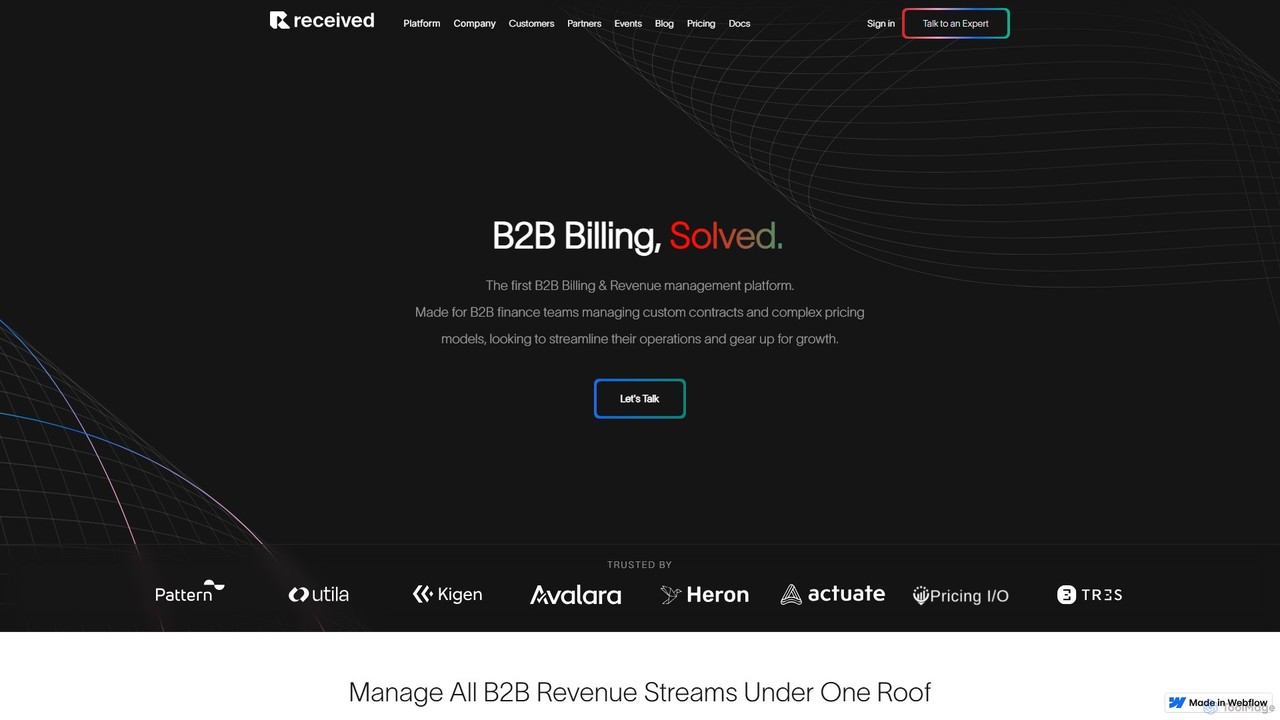
Received AI is a unified B2B billing and revenue management platform designed to automate complex financial operations. It replaces manual spreadsheets by handling self-serve subscriptions, bespoke contracts, and channel partner revenue all in one place, offering flexible pricing models and deep, B2B-focused analytics.

Revenue Management
Visits 6.8KFavorites 145Likes 171
GroupRM
Paid

GroupRM

GroupRM is an AI-powered SaaS platform designed for the airline industry to optimize group travel bookings. It automates the entire group sales process, from quoting to payment and post-trip analysis, helping airlines maximize revenue, increase efficiency, and enhance customer satisfaction through dynamic pricing and ancillary sales management.

Revenue Management
Visits 7.2KFavorites 99Likes 92
hotelincloud
Paid

hotelincloud

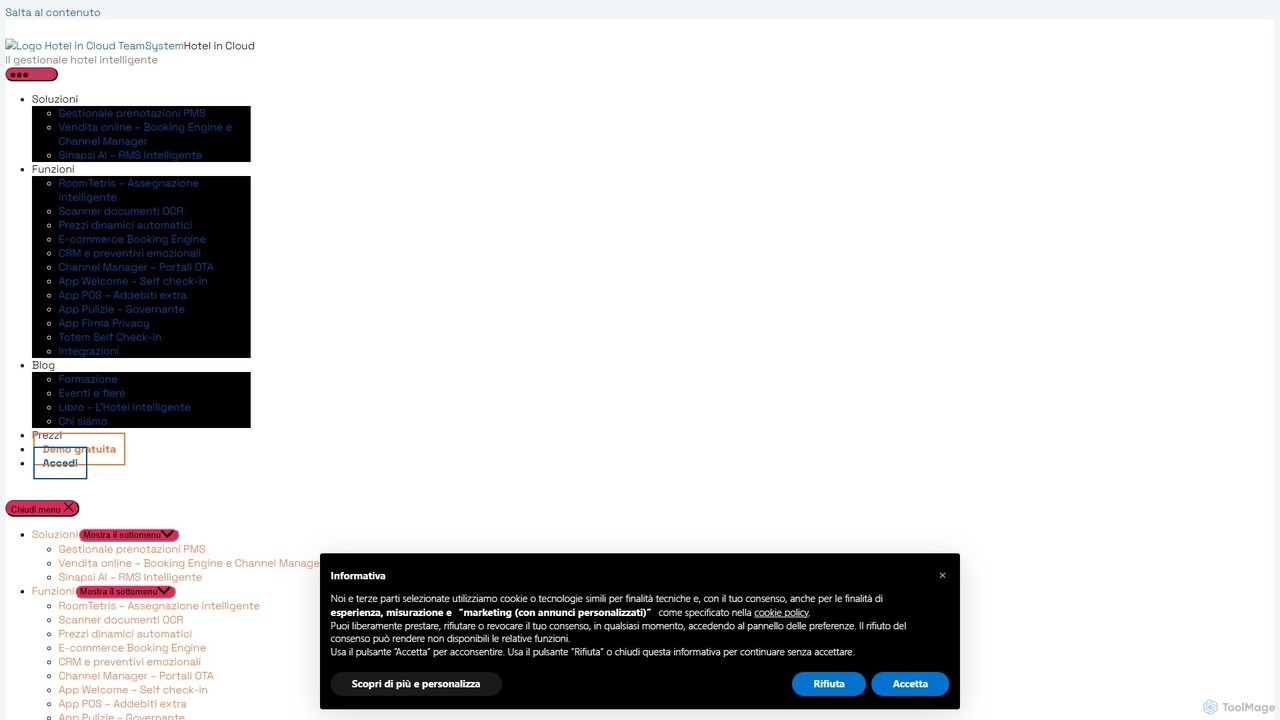
Hotelincloud is an intelligent, cloud-based Property Management System (PMS) that leverages AI to automate and optimize hotel operations. It streamlines everything from reservations and channel management to dynamic pricing and guest communication, helping hoteliers increase revenue, improve efficiency, and enhance the guest experience.

Revenue Management
Visits 92.1KFavorites 168Likes 139

About Revenue Management

AI Revenue Management tools are specialized platforms designed to optimize pricing and inventory to maximize profitability. These tools leverage machine learning algorithms to analyze historical data, market demand, competitor pricing, and other variables in real-time. They provide predictive insights and automated recommendations, enabling businesses, particularly in hospitality and travel, to make data-driven decisions. This approach moves beyond static pricing to a dynamic strategy that adapts to changing market conditions, ultimately increasing revenue from perishable assets like hotel rooms or airline seats.

Core Features

  • Dynamic Pricing: Automatically adjusts prices based on real-time demand, seasonality, and competitor actions.
  • Demand Forecasting: Uses predictive analytics to forecast future booking trends and occupancy rates.
  • Competitor Analysis: Monitors and analyzes competitors' pricing strategies to maintain a competitive edge.
  • Inventory Optimization: Recommends how to allocate limited resources (e.g., room types) across various distribution channels.
  • Performance Analytics: Provides detailed dashboards and reports on key metrics like RevPAR, ADR, and occupancy.

Applicable Scenarios

These tools are essential for industries with fixed inventory and fluctuating demand. The hospitality sector (hotels, resorts), travel industry (airlines, car rentals), and event management (concerts, conferences) are primary users. For example, a hotel manager uses it to set optimal room rates for an upcoming holiday, while an airline uses it to manage seat prices based on booking velocity.

Selection Criteria

When choosing a tool, consider its integration capabilities with your existing Property Management System (PMS) or booking engine. Evaluate the sophistication of its forecasting algorithms and the level of automation it offers. Also, assess the clarity of its analytics dashboard and the quality of customer support provided. The pricing model, whether subscription-based or a percentage of revenue uplift, is another critical factor.

Revenue Management use cases

1

Automate Hotel Room Pricing for Peak Seasons

A revenue manager at a boutique hotel prepares for the upcoming tourist season. Instead of manually tracking competitor rates and adjusting prices daily, they use an AI Revenue Management tool. The system analyzes historical booking data, local event schedules, flight booking trends, and real-time competitor pricing. Based on this analysis, it automatically suggests and applies optimal daily rates for different room types, balancing occupancy and average daily rate (ADR). This results in a 15% increase in Revenue Per Available Room (RevPAR) during the peak season and saves the manager over 10 hours of manual work per week.

2

Optimize Airline Seat Pricing and Availability

An airline's pricing analyst needs to maximize revenue for a popular flight route. Using an AI revenue management platform, they can forecast demand with high accuracy for different travel dates. The AI considers factors like historical load factors, seasonality, school holidays, and competitor fare changes. It then recommends an optimal allocation of seats across various fare classes (e.g., economy, business) and suggests dynamic price adjustments as the departure date approaches. This strategy helps sell more seats at higher yields, preventing overselling low-fare buckets too early and ensuring maximum profitability for each flight.

3

Manage Car Rental Fleet Pricing Dynamically

A manager at a car rental company faces the challenge of pricing their fleet across multiple locations (airport, downtown, suburban). They implement an AI revenue management system that analyzes booking patterns, local events, flight arrival data, and competitor availability. The system recommends different pricing for the same car model based on location-specific demand. For instance, it might increase rates for SUVs at the airport branch before a long weekend while offering discounts on compact cars at the downtown location during a weekday. This granular, automated pricing strategy increases overall fleet utilization by 10% and boosts revenue.

4

Set Tiered Pricing for Event Tickets

An event organizer for a major music festival wants to maximize ticket revenue. They use an AI revenue management tool to analyze early bird sales data, social media buzz, artist popularity, and historical sales from similar events. The AI recommends a tiered pricing strategy, suggesting when to end the early bird phase and how much to increase prices for subsequent tiers. It also identifies periods of high demand to introduce limited 'flash sale' discounts to create urgency, and premium pricing for last-minute tickets. This data-driven approach helps sell out the event at a higher average ticket price compared to a fixed pricing model.

5

Optimize Restaurant Table Turnover and Pricing

A high-end restaurant owner uses an AI-powered system that integrates with their reservation platform. The tool analyzes historical dining data, reservation pace, and local demand drivers (like theater showtimes). It suggests implementing dynamic pricing, offering a slight discount for reservations during typically slow hours (e.g., 5:30 PM on a Tuesday) and a premium for prime slots (e.g., 7:30 PM on a Saturday). The system also helps optimize table allocation to accommodate more parties without creating bottlenecks in the kitchen. This leads to better table turnover, reduced guest wait times, and an overall increase in nightly revenue.

6

Forecast Demand for Perishable E-commerce Goods

An online grocery store manager needs to minimize waste for fresh produce like fruits and vegetables. They use an AI revenue management tool that forecasts daily demand for each item based on historical sales, seasonality, weather forecasts, and promotional activities. The system provides precise purchasing recommendations to avoid overstocking. Furthermore, as items approach their expiration date, the tool automatically suggests dynamic markdowns to encourage sales and clear inventory, converting potential losses into revenue. This reduces food waste by over 20% and improves the category's profit margin.

Revenue Management FAQ

What are AI Revenue Management tools?

AI Revenue Management tools are software solutions that use artificial intelligence and machine learning to automate and optimize pricing and inventory decisions. They analyze vast amounts of data—such as historical sales, market trends, competitor actions, and seasonality—to forecast demand and recommend the best strategies to maximize revenue. Unlike traditional methods that rely on historical data and manual adjustments, these AI tools provide real-time, predictive insights, enabling businesses to react dynamically to market changes.

How to choose the right AI Revenue Management tool?

Choosing the right tool depends on several factors. Consider the following:

  • Industry Specificity: Ensure the tool is designed for your industry (e.g., hospitality, airline, car rental), as the data models and algorithms will be tailored to its unique challenges.
  • Integration: Check its ability to integrate seamlessly with your existing systems, such as your Property Management System (PMS), Central Reservation System (CRS), or e-commerce platform.
  • Data Handling: Evaluate the types and sources of data it can process. A robust tool should incorporate both internal data and external market signals.
  • Usability and Support: The interface should be intuitive, and the provider should offer reliable customer support and training to ensure your team can leverage its full potential.
  • Scalability: Select a solution that can grow with your business, whether you're managing a single property or a large chain.
What's the difference between Revenue Management and dynamic pricing tools?

While related, they are not the same. Dynamic pricing is a component of revenue management. A dynamic pricing tool focuses primarily on adjusting prices in response to real-time supply and demand. AI Revenue Management is a more holistic strategy. It encompasses dynamic pricing but also includes other crucial elements like demand forecasting, inventory management (deciding what to sell, when, and through which channel), competitor analysis, and performance analytics. In essence, dynamic pricing is a tactic, whereas revenue management is the overarching strategy to maximize profitability from perishable assets.

Who can benefit from using AI Revenue Management tools?

Any business with perishable inventory and fluctuating demand can benefit significantly. Key users include:

  • Hotels and Resorts: To optimize room rates and occupancy.
  • Airlines: For managing seat prices and maximizing yield per flight.
  • Car Rental Companies: To adjust fleet pricing based on location and demand.
  • Event Organizers: For dynamic ticket pricing for concerts, sports, and conferences.
  • Restaurants: To manage table reservations and implement demand-based pricing for different time slots.
  • E-commerce for Perishables: Online grocers or florists can use it to manage pricing and reduce spoilage.
How does AI improve traditional revenue management?

AI significantly enhances traditional revenue management, which often relied on historical data and simpler statistical models. Key improvements include:

  • Predictive Accuracy: AI models can analyze more complex datasets and identify non-obvious patterns, leading to more accurate demand forecasts.
  • Real-Time Adaptation: AI allows for instant price adjustments based on live market data, whereas traditional methods were often slower and based on periodic reviews.
  • Automation: AI automates the analysis and decision-making process, freeing up revenue managers to focus on high-level strategy rather than manual data crunching.
  • Granularity: AI can optimize pricing at a much more granular level, such as by individual room type, customer segment, or specific time of day, which is difficult to achieve manually.