Business Best in category 5 results Small Business AI Tool

Popular AI tools in the Small Business field of Business include theogrowth、Tochat、DollarAI、Airdoc.pro、withbilly, etc., helping you quickly improve efficiency.

Tochat

Tochat

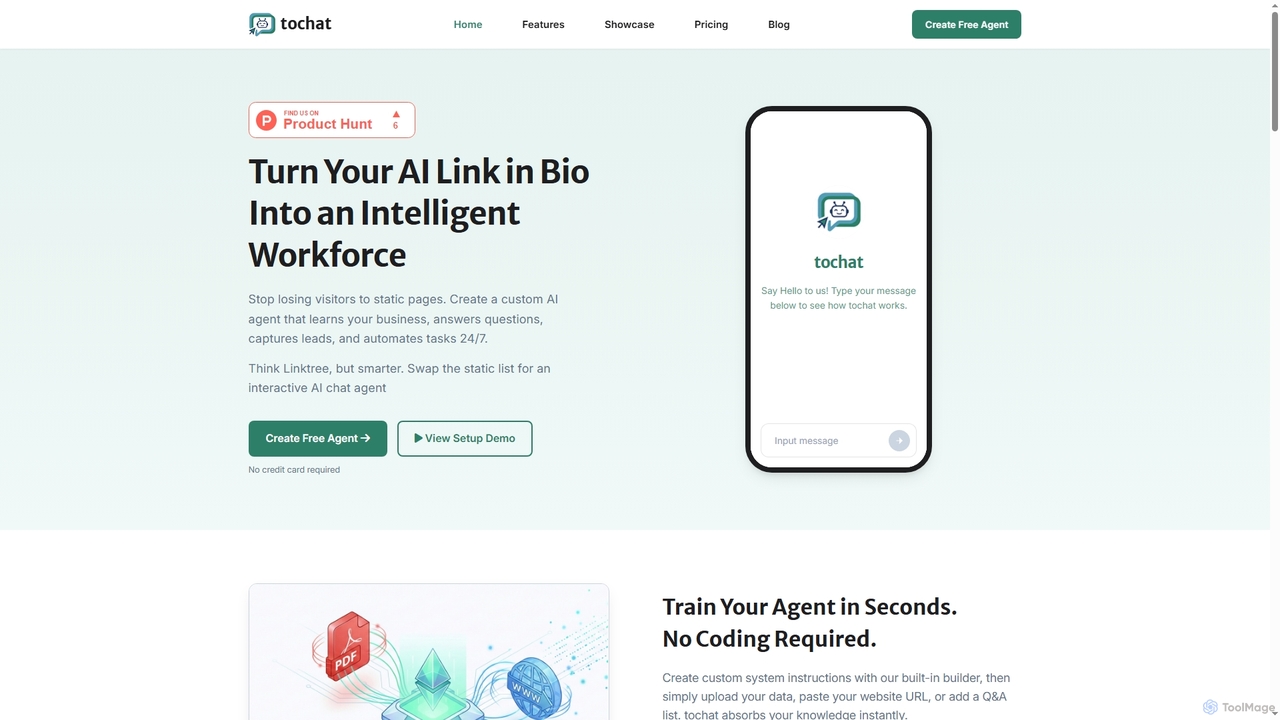
Tochat transforms your static 'link in bio' into an intelligent AI agent that learns your business, answers questions, …

4.3K
withbilly

withbilly

withbilly is an AI-powered financial assistant designed for freelancers and small businesses. It automates invoicing, expense tracking, and …

3.1K
theogrowth

theogrowth

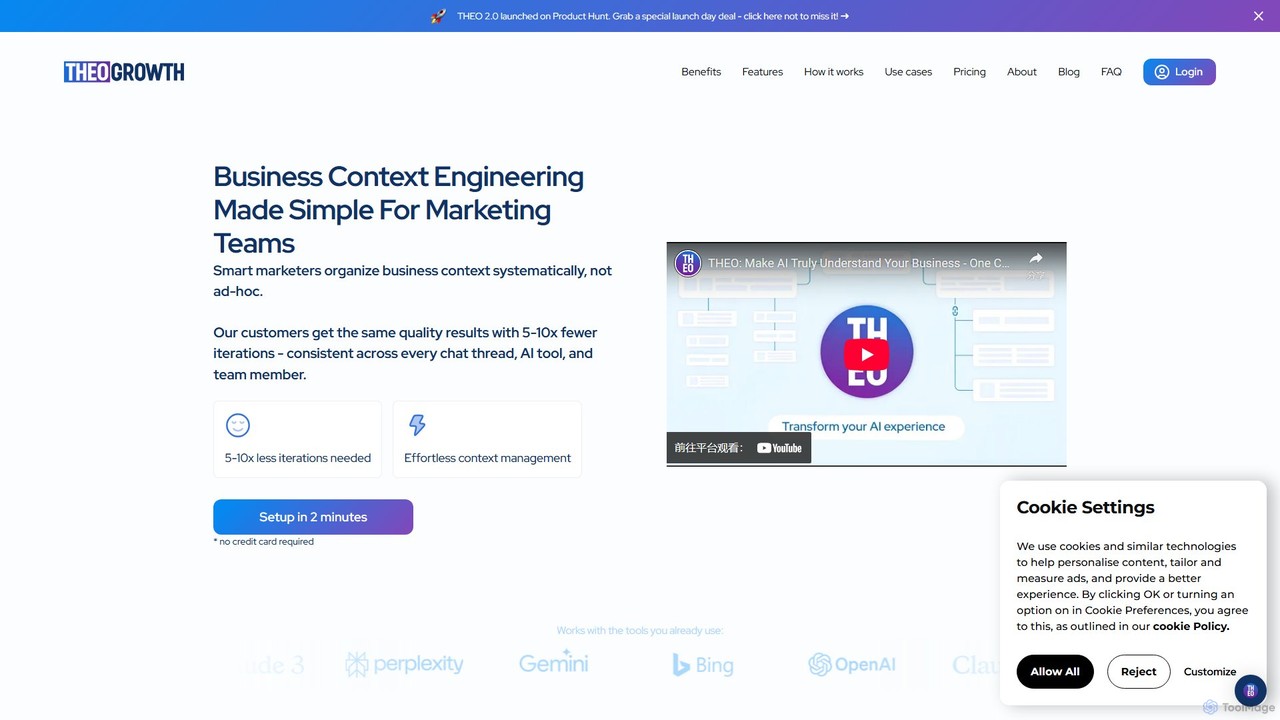
THEO is an AI marketing assistant that transforms your scattered business documents and website content into a structured …

7.4K
Airdoc.pro

Airdoc.pro

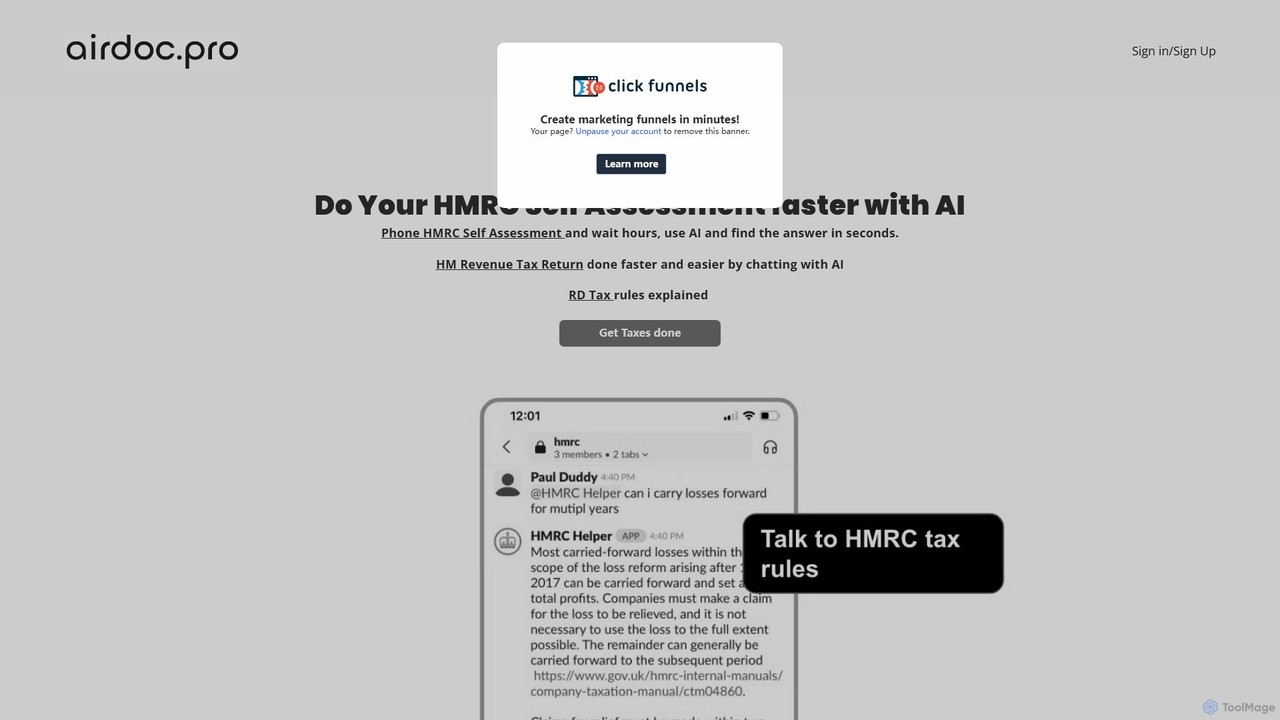
Airdoc.pro is an AI-powered assistant designed to simplify UK tax compliance. It allows users to chat with HMRC's …

3.2K
DollarAI

DollarAI

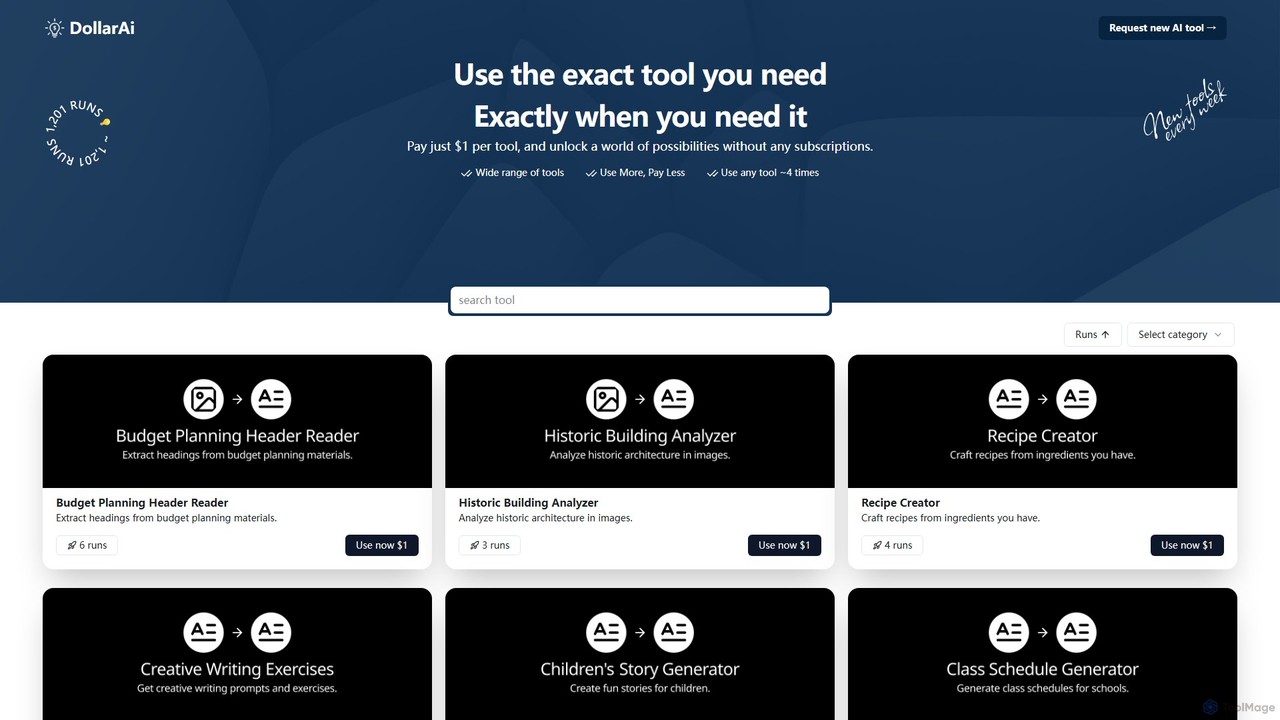
An innovative platform offering hundreds of specialized AI tools on a pay-per-use basis. For just $1 per tool, …

3.2K

About Small Business

AI tools for Small Business are integrated, user-friendly platforms designed to automate and optimize core operations for smaller organizations. They leverage AI for tasks like marketing, customer service, and financial management, making advanced technology accessible without requiring large teams or budgets. These tools empower entrepreneurs and small teams to save time, make data-driven decisions, and compete effectively in their markets. The focus is on affordability, ease of use, and immediate return on investment.

Core Features

  • All-in-One Functionality: Combines CRM, email marketing, social media, and support in a single dashboard.
  • Automated Workflows: Sets up automatic replies, social media posts, and lead follow-ups with minimal effort.
  • Simplified Analytics: Provides easy-to-understand reports on sales, marketing performance, and customer behavior.
  • No-Code Interface: Enables non-technical users to build chatbots, campaigns, and automations through intuitive visual builders.

Applicable Scenarios

These tools are ideal for solo entrepreneurs, local retailers, service-based businesses, and startups. They are commonly used for managing a consistent online presence, handling customer inquiries 24/7, generating marketing content, and streamlining administrative tasks like invoicing and scheduling.

Selection Criteria

When selecting a tool, consider its pricing scalability to ensure it can grow with your business. Check for integrations with essential platforms you already use, such as e-commerce sites or accounting software. Prioritize tools with responsive customer support and a clear, intuitive user interface to minimize the learning curve.

Small BusinessUse Cases

1

Automated Social Media Management for a Local Cafe

A local cafe owner, managing all operations single-handedly, struggles to maintain a consistent social media presence. By using an AI tool for small businesses, they can automate the entire process. The tool helps generate engaging post ideas and captions based on daily specials or events. It then automatically schedules and publishes these posts across Instagram and Facebook at optimal times, ensuring constant engagement with customers even during busy hours. The AI also provides a simple dashboard showing which posts get the most likes and comments, helping the owner understand their audience better without needing to be a marketing expert.

2

Intelligent 24/7 Customer Support Chatbot

An online boutique store owner receives numerous repetitive questions about shipping, returns, and product sizes, often outside of business hours. By implementing an AI chatbot designed for small businesses, they can provide instant, 24/7 support. The chatbot is trained on the store's FAQ page and policy documents. It can understand customer questions in natural language and provide accurate answers immediately. For complex issues, the bot collects the customer's information and creates a support ticket for the owner to review the next morning. This improves customer satisfaction and frees up the owner's time to focus on order fulfillment and marketing.

3

Simplified Marketing Content Creation

A freelance consultant needs to maintain a professional online presence by regularly publishing blog posts and newsletters, but lacks the time and resources. An AI writing assistant for small businesses becomes a key partner. The consultant provides a few bullet points or a topic, and the AI tool generates a well-structured draft for a blog post. It can also repurpose the blog post into a concise email newsletter and several social media snippets. This allows the consultant to maintain a consistent content schedule across multiple channels, establishing their expertise and attracting new clients with a fraction of the effort previously required.

4

AI-Powered Bookkeeping and Expense Tracking

A small construction company owner spends hours each week manually entering receipts and categorizing expenses. By adopting an AI-powered accounting tool, this process becomes automated. The owner simply takes photos of receipts with their phone, and the AI uses Optical Character Recognition (OCR) to extract data like vendor, date, and amount. It then automatically categorizes the expense and syncs it with their accounting software. The tool can also generate real-time reports on cash flow and project profitability, providing crucial insights for business decisions without the need for a full-time bookkeeper.

5

Automated Lead Follow-up and Scheduling

A small B2B service agency struggles to respond quickly to new leads from their website contact form. An AI-powered CRM for small businesses solves this by instantly sending a personalized welcome email to every new lead. The AI can then engage in a simple email conversation to qualify the lead, asking about their budget and needs. If the lead is qualified, the AI assistant automatically offers available meeting times from the founder's calendar and schedules a discovery call. This ensures every lead receives a prompt response, increasing conversion rates and preventing potential clients from being lost due to delays.

6

Personalized Email Marketing Campaigns

A small e-commerce store selling handmade goods wants to increase repeat purchases but lacks a dedicated marketing team. They use an all-in-one AI tool that connects to their store data. The AI segments customers based on their purchase history, such as 'bought scented candles' or 'frequent buyers'. It then helps draft personalized email campaigns, suggesting related products or offering a special discount to encourage a second purchase. The tool also determines the best time to send the email for each customer segment, significantly improving open rates and driving more sales than generic, mass-emailed newsletters.

Small BusinessFrequently Asked Questions