Business Best in category 4 results Time Management AI Tool

Popular AI tools in the Time Management field of Business include OneCal、Harmony、Rizemail、GendaAI, etc., helping you quickly improve efficiency.

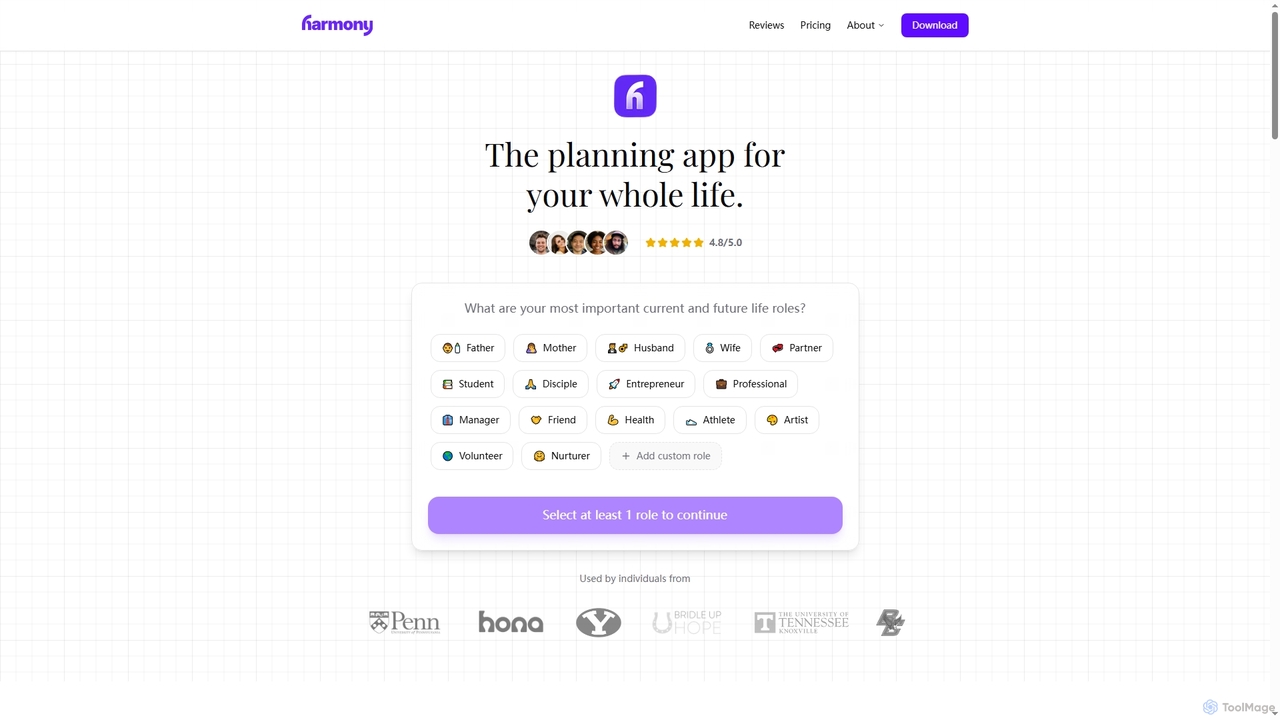
Harmony

Harmony

Harmony is an AI-powered personal planning application designed to help individuals define their life's mission, set role-based weekly …

11.4K
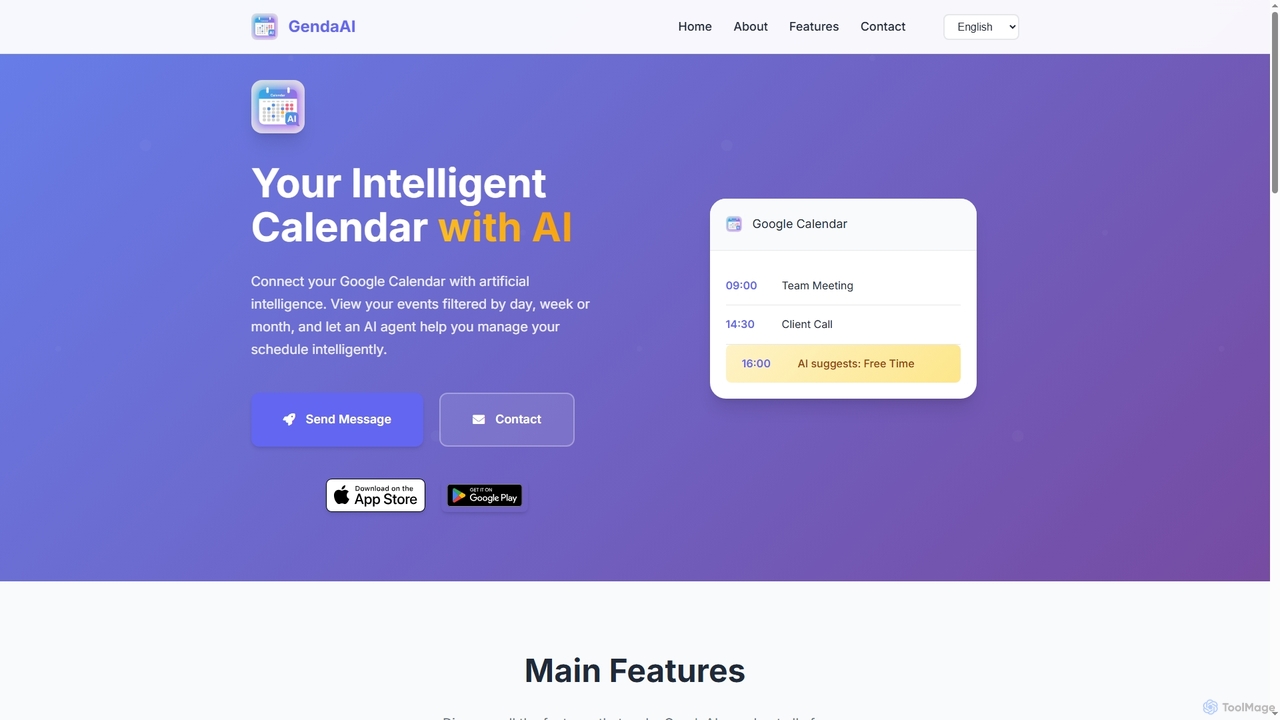
GendaAI

GendaAI

GendaAI is an intelligent calendar assistant designed to streamline your schedule management. It securely connects with your Google …

3.1K
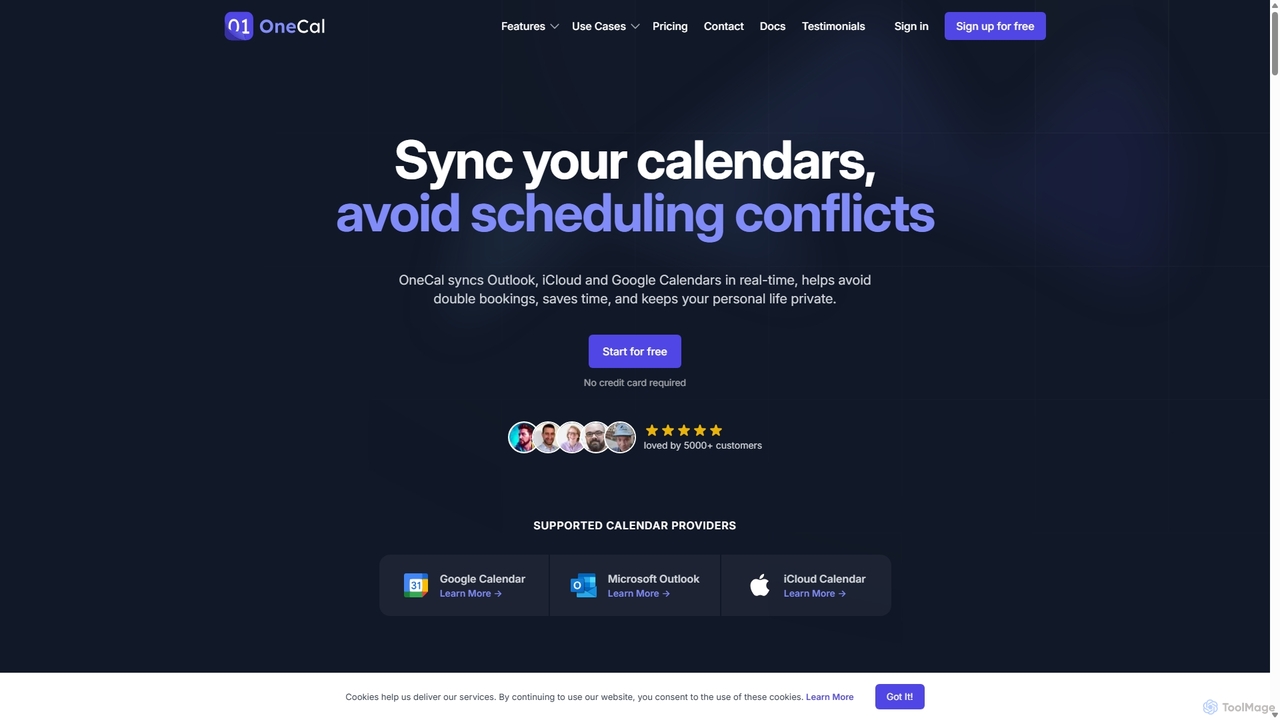
OneCal

OneCal

OneCal is a powerful calendar automation tool that syncs Outlook, Google, and iCloud calendars in real-time. It helps …

107.7K
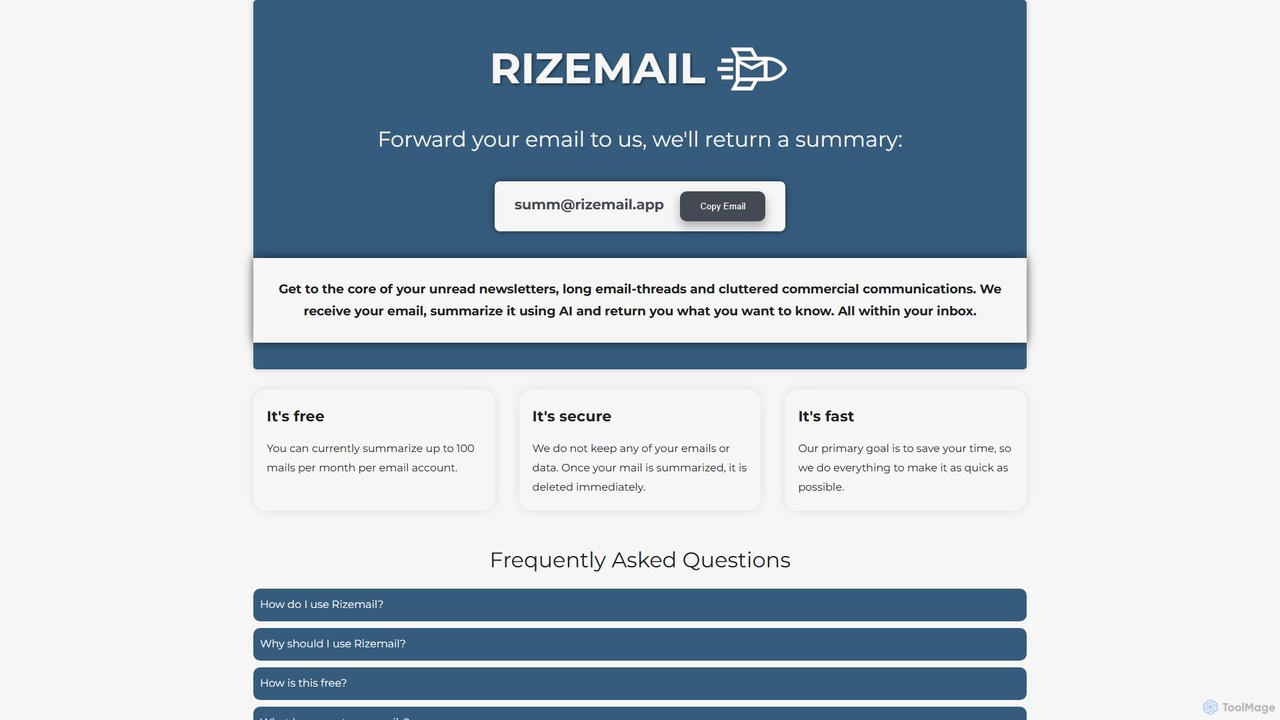
Rizemail

Rizemail

Rizemail is an AI-powered email summarization tool that helps you save time by instantly condensing long emails and …

3.2K

About Time Management

AI Time Management tools are applications that leverage artificial intelligence to help users organize, track, and optimize their time. These tools analyze work patterns, automate scheduling, and predict task durations to provide intelligent recommendations. Their primary value lies in reducing the manual effort of planning and providing data-driven insights to improve personal and team productivity. As a key component of modern business software, they transform time from a passive resource into an actively managed asset.

Core Features

  • Intelligent Scheduling: Automatically finds optimal times for meetings and tasks based on priorities, availability, and energy levels.
  • Automated Time Tracking: Passively records time spent on different applications and projects without manual input.
  • Task Prioritization Engine: Uses AI to rank tasks based on deadlines, importance, and dependencies, suggesting what to work on next.
  • Productivity Analytics: Generates reports and visualizations on how time is spent, identifying inefficiencies and focus patterns.
  • Focus Assistance: Proactively blocks distractions or suggests breaks to help users maintain deep work states.

Use Cases

These tools are widely used by busy professionals, remote teams, freelancers, and managers. For instance, a project manager can use them to automatically balance team workload, while a freelancer can optimize their schedule across multiple clients. They are particularly effective in dynamic environments where priorities frequently change.

How to Choose

When selecting an AI Time Management tool, consider its integration capabilities with your existing calendar and project management software. Evaluate the depth of its analytics and the level of automation it provides. Also, consider whether you need a solution for individual use or one with team collaboration features, and review the platform's data privacy policies.

Time ManagementUse Cases

1

Automated Meeting Scheduling for Sales Teams

A sales manager for a global software company needs to coordinate product demos with prospects across multiple time zones. Instead of sending countless back-and-forth emails to find a suitable time, the team uses an AI time management tool. The tool integrates with their calendars, identifies mutual availability, and automatically sends out invitations with pre-set meeting buffers. This reduces the scheduling time per meeting from an average of 15 minutes to under a minute, freeing up the sales team to focus on preparation and follow-ups.

2

Dynamic Task Prioritization for Freelancers

A freelance graphic designer juggles projects from five different clients, each with varying deadlines and importance. To avoid feeling overwhelmed and missing deadlines, they use an AI time management app. The app analyzes project deadlines, client communication urgency (by integrating with email), and the designer's own energy patterns. Each morning, it generates a prioritized task list, suggesting which project to tackle first for maximum impact and even scheduling 'deep work' blocks for creative tasks. This helps the designer stay on track and deliver high-quality work consistently.

3

Team Productivity Analysis for Project Managers

A project manager overseeing a remote development team notices that sprints are consistently finishing behind schedule. To understand why, she implements an AI time management tool that integrates with their project management platform and communication channels. The tool automatically tracks time spent on coding, meetings, and code reviews without manual logging. After two weeks, the AI generates a report highlighting that the team spends over 30% of its time in unplanned, internal meetings. Armed with this data, the manager can implement 'no-meeting Wednesdays' and streamline communication, leading to a 15% improvement in sprint completion rates.

4

Personal Focus Management for Knowledge Workers

A data scientist needs long, uninterrupted blocks of time for complex modeling tasks but is constantly distracted by notifications from chat apps and email. They use an AI focus assistant that learns their work patterns. The tool automatically detects when they start a 'deep work' task based on the application they are using. It then silences non-critical notifications, blocks distracting websites, and even updates their status on communication apps to 'In a focus session'. The AI also suggests optimal times for breaks based on Pomodoro principles, helping the scientist maintain high cognitive performance throughout the day and complete models faster.

5

Optimizing Work-Life Balance for Remote Employees

A fully remote company wants to prevent employee burnout. They provide their team with an AI time management tool that helps define boundaries between work and personal life. The tool automatically tracks work hours and alerts employees when they are consistently working late. It analyzes their calendar and suggests scheduling personal appointments or breaks to ensure they disconnect. The AI can also identify 'meeting fatigue' by flagging days with too many back-to-back calls, prompting managers to reconsider the meeting culture. This proactive approach helps maintain employee well-being and long-term productivity.

6

Intelligent Resource Allocation for Agencies

An operations manager at a creative agency needs to assign new projects to designers and writers without overloading anyone. They use an AI time management platform that provides a holistic view of team capacity. The AI analyzes each team member's current workload, scheduled time off, and historical data on how long similar tasks have taken them. When a new project comes in, the system suggests the best-suited team members with available capacity, predicting potential bottlenecks before they occur. This data-driven approach replaces manual guesswork, ensuring fair workload distribution and improving project delivery timelines.

Time ManagementFrequently Asked Questions