Mappedin
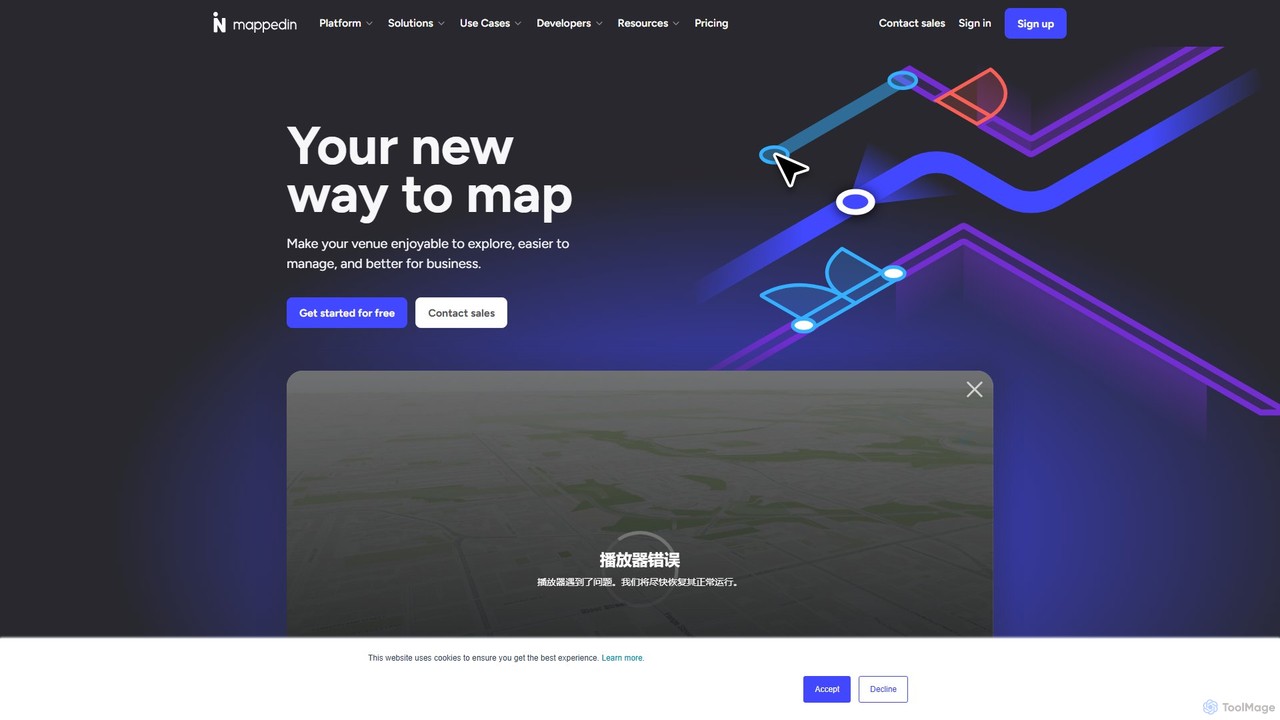
Mappedin is an AI-powered platform that transforms static floor plans into interactive 3D indoor maps in minutes. It's …
Mappedin is an AI-powered platform that transforms static floor plans into interactive 3D indoor maps in minutes. It's designed for venues of all types to enhance visitor experience, streamline operations, and improve safety with intuitive navigation, real-time data visualization, and powerful management tools.
About Venue Management
Venue Management AI tools are specialized platforms that leverage artificial intelligence to streamline the operation, booking, and optimization of physical spaces. These sophisticated solutions integrate advanced analytics, predictive modeling, and automation to significantly enhance efficiency in managing diverse venues, ranging from bustling event halls and conference centers to dynamic sports arenas and flexible co-working spaces. By providing comprehensive capabilities for resource allocation, intricate scheduling, visitor experience enhancement, and real-time operational oversight, these tools ultimately contribute to improved profitability and elevated user satisfaction within the broader business sector.
Core Features
- Automated Scheduling & Booking: Intelligently optimizes venue availability, manages complex reservation requests, and proactively prevents double-bookings through advanced algorithmic processing, ensuring seamless event planning.
- Space Utilization Analytics: Continuously analyzes historical and real-time usage patterns, occupancy rates, and foot traffic data to identify underutilized areas, informing optimal layout adjustments, dynamic pricing strategies, and future expansion plans.
- Resource & Staff Allocation: Dynamically assigns personnel, equipment, and ancillary services based on specific event requirements, staff availability, skill sets, and budget constraints, maximizing operational efficiency.
- Visitor Flow Management: Utilizes data from sensors and historical patterns to predict and manage crowd movement, optimize entry/exit points, and enhance overall safety and guest experience during high-traffic events.
- Predictive Maintenance: Schedules essential maintenance tasks based on equipment usage data, sensor readings, and predictive analytics, minimizing unexpected downtime, extending asset lifespan, and reducing operational costs.
- Financial & Billing Automation: Automates invoicing, payment processing, and financial reporting for bookings and services, improving accuracy and accelerating revenue collection.
Applicable Scenarios
These AI-powered tools are indispensable for a wide array of professionals, including dedicated event organizers, diligent facility managers, and astute business owners who oversee large or complex physical venues. They are critically employed in managing the intricate logistics of convention centers hosting international conferences, optimizing the multifaceted operations of stadiums during major sporting events, or streamlining the dynamic booking processes for flexible co-working spaces and vital community centers. The technology ensures seamless operational execution, enhances security protocols, and significantly maximizes revenue generation potential.
How to Choose
When selecting a Venue Management AI tool, several key factors warrant careful consideration. Prioritize its integration capabilities with existing business systems, such as CRM, ticketing platforms, or ERP solutions, to ensure a unified operational ecosystem. Evaluate the breadth and depth of its automation features for scheduling, resource management, and financial processing. Assess its analytical prowess for generating actionable insights on space utilization, visitor behavior, and predictive maintenance. Furthermore, consider its scalability to accommodate future growth, the robustness of its security features for sensitive data, and the quality of its user interface for ease of adoption and daily use.
Venue ManagementUse Cases
Streamlining Event Space Booking and Scheduling
Event planners and venue managers frequently face the challenge of efficiently booking and scheduling various event spaces while avoiding conflicts. AI-powered venue management tools automate the entire booking process, from checking real-time availability across multiple rooms to generating contracts and processing payments. This significantly reduces manual administrative work, minimizes booking errors, and allows staff to focus on client relations, ultimately accelerating the booking cycle and increasing venue occupancy rates by up to 20%.
Predictive Crowd Management for Large-Scale Events
For operators of stadiums, concert halls, or exhibition centers, managing large crowds safely and efficiently is paramount. AI tools analyze historical attendance data, ticket sales, and real-time sensor inputs to predict crowd density and movement patterns. This enables proactive deployment of security personnel, optimization of entry/exit points, and dynamic adjustment of concession stand staffing, ensuring smoother visitor flow, reducing wait times, and enhancing overall safety and guest satisfaction during peak event hours.
Automated Predictive Maintenance for Venue Facilities
Facility managers are responsible for maintaining complex venue infrastructure, from HVAC systems to lighting and audiovisual equipment. AI-driven predictive maintenance modules monitor equipment performance, detect anomalies, and forecast potential failures before they occur. This allows for proactive scheduling of maintenance tasks during off-peak hours, minimizing unexpected breakdowns, extending the lifespan of expensive assets, and significantly reducing emergency repair costs and operational disruptions.
Dynamic Pricing Optimization for Flexible Workspaces
Owners and managers of co-working spaces or flexible meeting rooms need to maximize revenue while maintaining competitive pricing. AI algorithms analyze demand fluctuations, competitor pricing, seasonal trends, and member usage patterns to dynamically adjust rental rates for desks, offices, and meeting rooms. This ensures optimal pricing strategies that attract more clients during low-demand periods and maximize revenue during peak times, leading to a substantial increase in profitability.
Efficient Resource Allocation for Multi-purpose Venues
Managing resources like catering staff, audiovisual equipment, and furniture across multiple concurrent events in a large convention center is a logistical challenge. AI-powered systems centralize resource inventory and automatically allocate them based on event requirements, availability, and priority. This eliminates manual tracking, prevents resource conflicts, and ensures that every event has the necessary support, leading to smoother operations and higher client satisfaction.
Enhancing Venue Security and Access Control
Venue security teams face the complex task of ensuring safety for thousands of visitors while managing access. AI-powered security systems integrate with surveillance cameras and access control points to detect unusual activities, identify unauthorized individuals, and manage visitor credentials efficiently. This enhances real-time threat detection, streamlines guest check-ins, and provides comprehensive audit trails, significantly bolstering overall venue security and compliance.