ToolMage
Sign in

Best 1 Job Transition AI tools for Career

Popular Job Transition AI tools in Career include lastworkingday, helping you work more efficiently.

lastworkingday
Free

lastworkingday

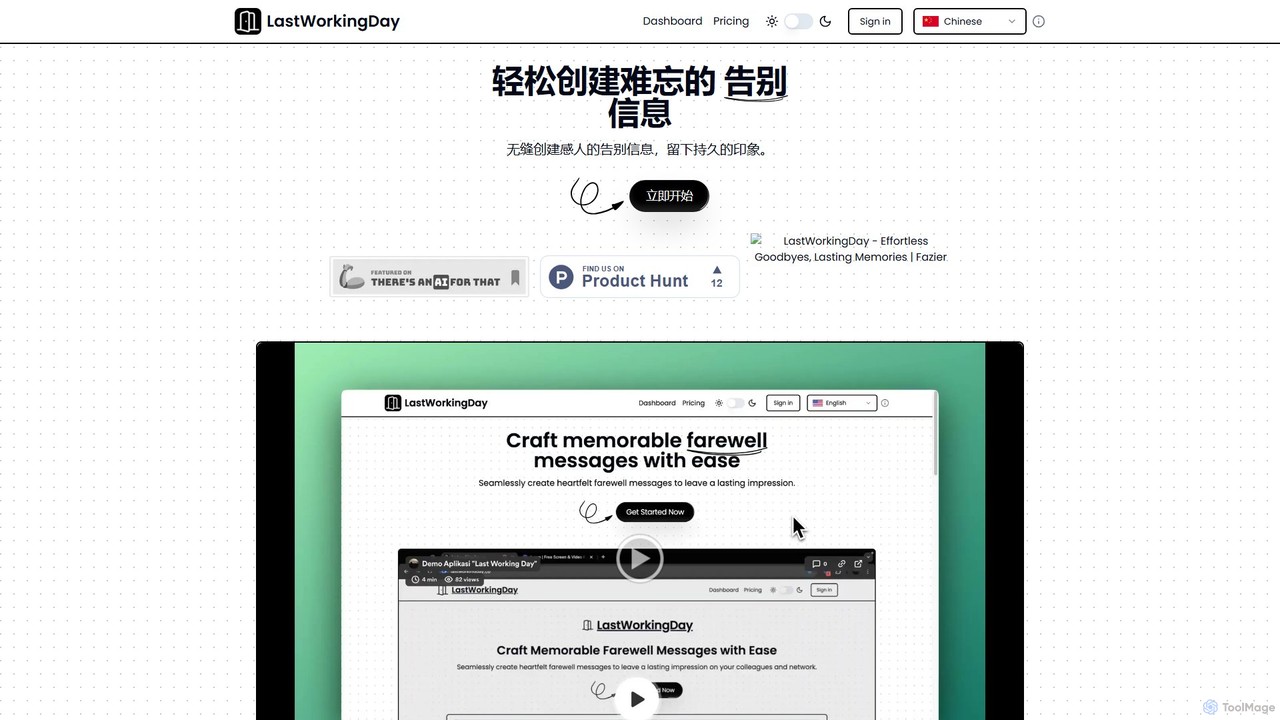
lastworkingday is an AI-powered tool designed to help you effortlessly create memorable and heartfelt farewell messages. Using GPT-4, it generates personalized goodbye notes for colleagues, professional networks like LinkedIn, or custom recipients. Features include adjustable tones, voice input, and rich text editing, saving you time and stress during a job transition.

Job Transition
Visits 5.4KFavorites 142Likes 136

About Job Transition

AI Job Transition tools are specialized platforms that leverage artificial intelligence to assist individuals in navigating significant career changes, whether moving to a new industry, role, or returning to the workforce. These tools analyze skills, experience, and market trends to provide personalized guidance, streamlining the often complex process of professional reinvention. They offer data-driven insights to identify transferable skills, pinpoint skill gaps, and optimize job search strategies for new career paths, making the transition more efficient and targeted within the broader "Career" tool landscape.

Core Features

  • Skill Gap Analysis: Identifies discrepancies between current skills and target role requirements, suggesting learning paths.
  • Resume & Cover Letter Tailoring: Optimizes application documents for specific new industries or job descriptions using AI.
  • Personalized Career Pathing: Recommends suitable alternative career trajectories based on user profile and market data.
  • Interview Simulation & Coaching: Provides AI-powered mock interviews and feedback for new role types.
  • Job Market Trend Analysis: Offers insights into emerging roles and required skills in target industries.

Use Cases

Professionals seeking a complete industry switch can use these tools to map their existing competencies to new fields and identify necessary upskilling. Individuals returning to the workforce after a break benefit from AI-driven guidance to update their profiles and target relevant roles. Furthermore, those exploring entirely new career directions can leverage AI to discover compatible paths based on their interests and transferable skills, ensuring a more informed and strategic transition.

How to Choose

When selecting an AI Job Transition tool, consider its ability to provide highly personalized recommendations based on your unique background and target industry. Evaluate the depth of its skill assessment and the quality of its learning resource suggestions. Look for tools that offer robust resume optimization and realistic interview preparation features tailored for career changers. Finally, assess its integration with job boards and networking platforms, along with its data privacy policies, to ensure a comprehensive and secure experience.

Job Transition use cases

1

Optimize Resume for a New Industry

A marketing specialist aiming to transition into a tech product marketing role uses an AI job transition tool. The tool analyzes their current resume against tech job descriptions, identifying relevant keywords and suggesting rephrasing past achievements to highlight transferable skills like project management and data analysis. This helps them craft a compelling application that resonates with tech recruiters, significantly increasing their chances of securing interviews in the new sector.

2

Identify Skill Gaps for a Career Change

An experienced accountant wants to move into a financial analyst position, which requires stronger data modeling skills. They input their current skills and target role into an AI tool. The AI identifies specific skill gaps in areas like Python for data analysis and advanced Excel functions. It then recommends tailored online courses and certifications, providing a clear, actionable learning roadmap to bridge these gaps and prepare for the new role efficiently.

3

Practice Interviews for a Different Role Type

A project manager from construction is applying for a software development project lead role. They utilize an AI interview simulator that offers mock interviews with questions specific to software development methodologies and team leadership. The AI provides real-time feedback on their answers, tone, and body language, helping them refine their responses and build confidence for interviews in an unfamiliar industry context.

4

Discover New Career Paths Based on Transferable Skills

A teacher feeling unfulfilled explores alternative careers. An AI job transition tool analyzes their pedagogical skills (communication, organization, problem-solving) and interests. It then suggests compatible roles in corporate training, instructional design, or even UX research, providing detailed insights into each path. This broadens their perspective beyond traditional teaching, revealing viable and fulfilling new professional directions.

5

Develop a Networking Strategy for an Industry Switch

A sales professional transitioning from pharmaceuticals to renewable energy needs to build a new professional network. An AI tool helps them identify key individuals and companies in the renewable energy sector, suggests personalized LinkedIn outreach messages, and recommends relevant industry events or online communities. This enables them to strategically connect with new contacts and gain insights into their target industry more effectively.

6

Refine Personal Branding for a Career Reinvention

An executive with a long career in traditional manufacturing is rebranding for a startup leadership role. An AI tool analyzes their desired new image and target audience, then suggests specific updates for their LinkedIn profile, personal website, and professional bio. It helps them articulate their vision, highlight entrepreneurial traits, and use keywords that attract opportunities in the startup ecosystem, ensuring their online presence aligns with their career reinvention.

Job Transition FAQ

What are AI Job Transition tools?

AI Job Transition tools are artificial intelligence-powered platforms designed to assist individuals in making significant career changes. They leverage machine learning and natural language processing to analyze a user's existing skills, experience, and career aspirations against current job market data. Their primary goal is to provide personalized guidance, resources, and strategies to help users successfully move into new industries, roles, or re-enter the workforce, making the transition smoother and more data-driven.

How do I choose the best AI tool for my job transition?

When selecting an AI job transition tool, prioritize those offering comprehensive skill gap analysis and personalized learning recommendations tailored to your target industry. Look for robust resume and cover letter optimization features that can adapt to different sector requirements. Consider tools with realistic AI-powered interview simulations for new role types. Additionally, evaluate the tool's data privacy policies, user interface, and whether it integrates with relevant job boards or networking platforms to support your specific transition needs effectively.

What specific features do AI Job Transition tools offer?

AI Job Transition tools offer a range of specialized features. These include AI-driven skill assessments to identify transferable skills and gaps, personalized career path recommendations based on market trends and user profiles, and intelligent resume and cover letter tailoring for specific new roles. Many also provide AI interview simulators with feedback, job market trend analysis for target industries, and tools for networking strategy development to help users connect with professionals in their desired new field.

How can AI tools help accelerate my career transition?

AI tools can significantly accelerate your career transition by providing data-driven insights and automation. They quickly analyze vast amounts of job market data to identify optimal paths and skill requirements, saving you extensive research time. Personalized recommendations for skill development and job applications ensure your efforts are highly targeted. AI-powered resume optimization and interview practice enhance your competitiveness, while automated networking suggestions help you build connections faster, ultimately streamlining the entire transition process and increasing your chances of success.

What's the difference between general AI job search tools and AI Job Transition tools?

General AI job search tools primarily focus on optimizing the search for roles within a user's existing industry or career path, often by matching resumes to job descriptions and automating applications. In contrast, AI Job Transition tools are specifically designed for individuals looking to *change* their career direction significantly. They offer specialized features like comprehensive skill gap analysis for new industries, personalized career pathing for reinvention, and tailored interview preparation for unfamiliar roles, addressing the unique challenges of a career pivot rather than just a job hunt.