Career Best in category 4 results Professional Development AI Tool

Popular AI tools in the Professional Development field of Career include Google Learning、getpronounce、Poised、Skills, etc., helping you quickly improve efficiency.

Skills

Skills

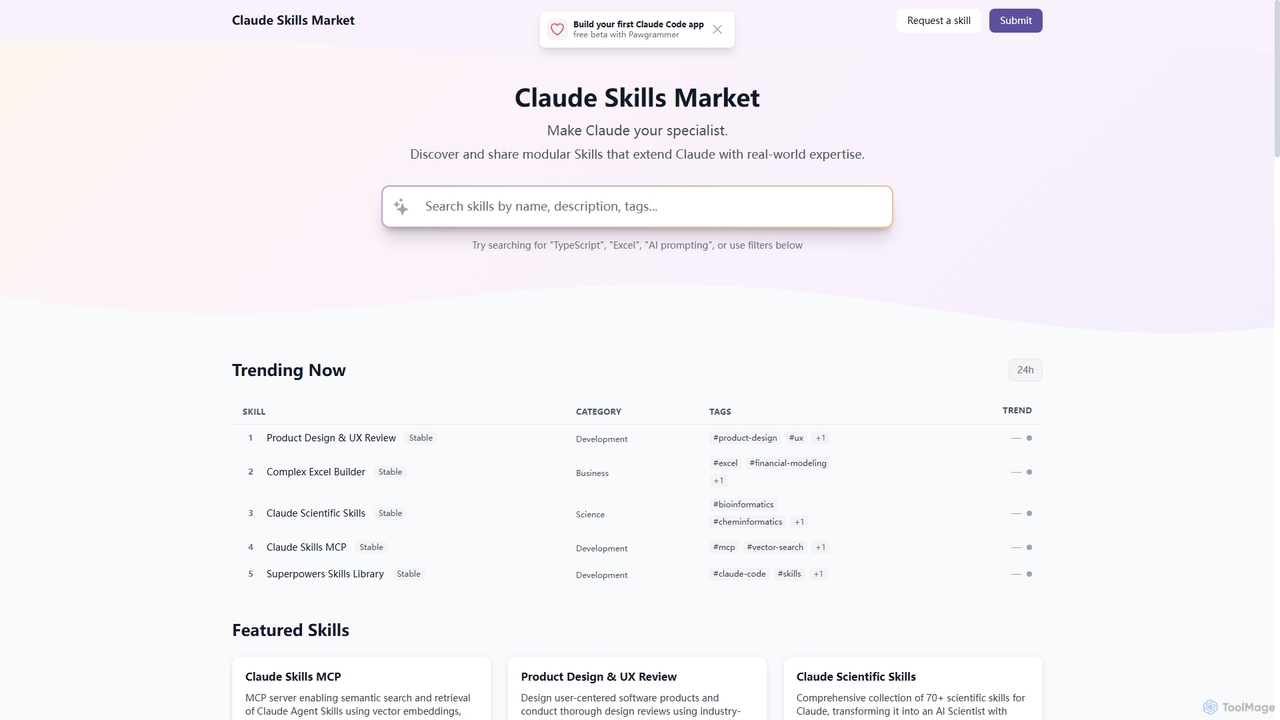
Skills is a dynamic marketplace designed to extend Claude's capabilities with specialized, real-world expertise. It offers a diverse …

8.7K
getpronounce

getpronounce

getpronounce is an AI-powered speech coach designed to help non-native English speakers master professional communication. It provides instant …

226.0K
Google Learning

Google Learning

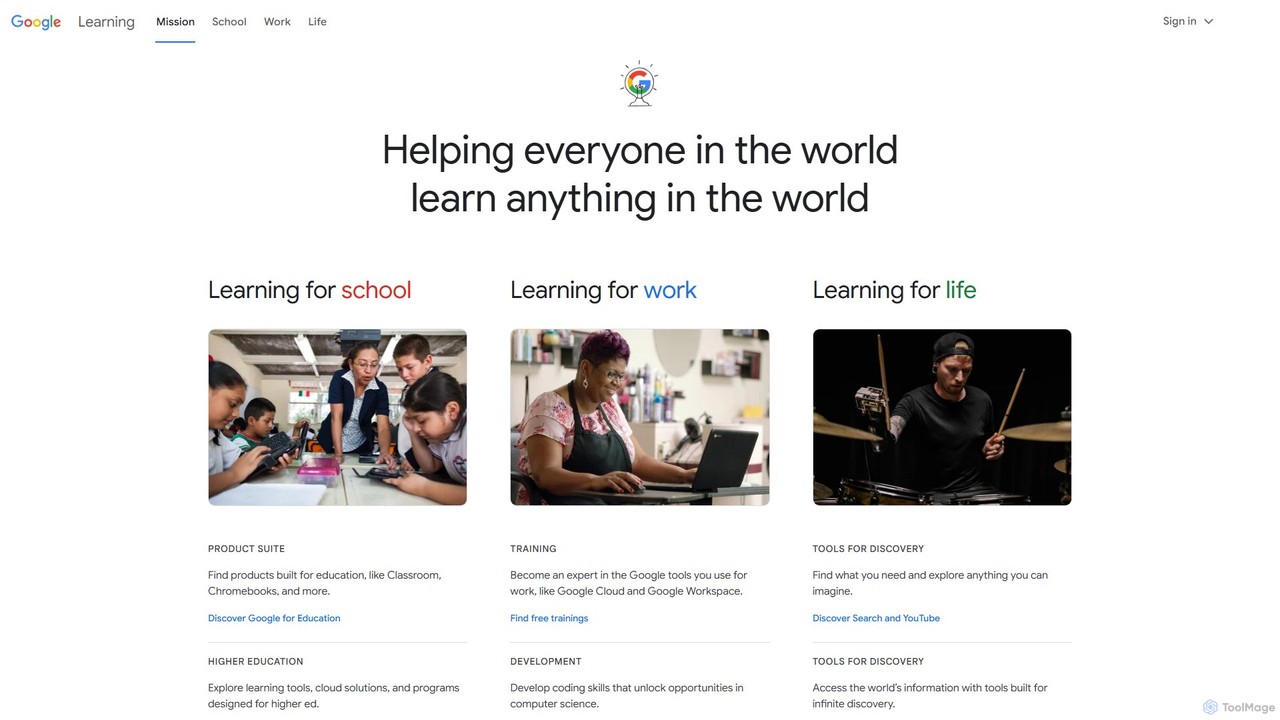
Google Learning is a central hub that consolidates a vast array of tools, resources, and AI-powered solutions for …

226.1K
Poised

Poised

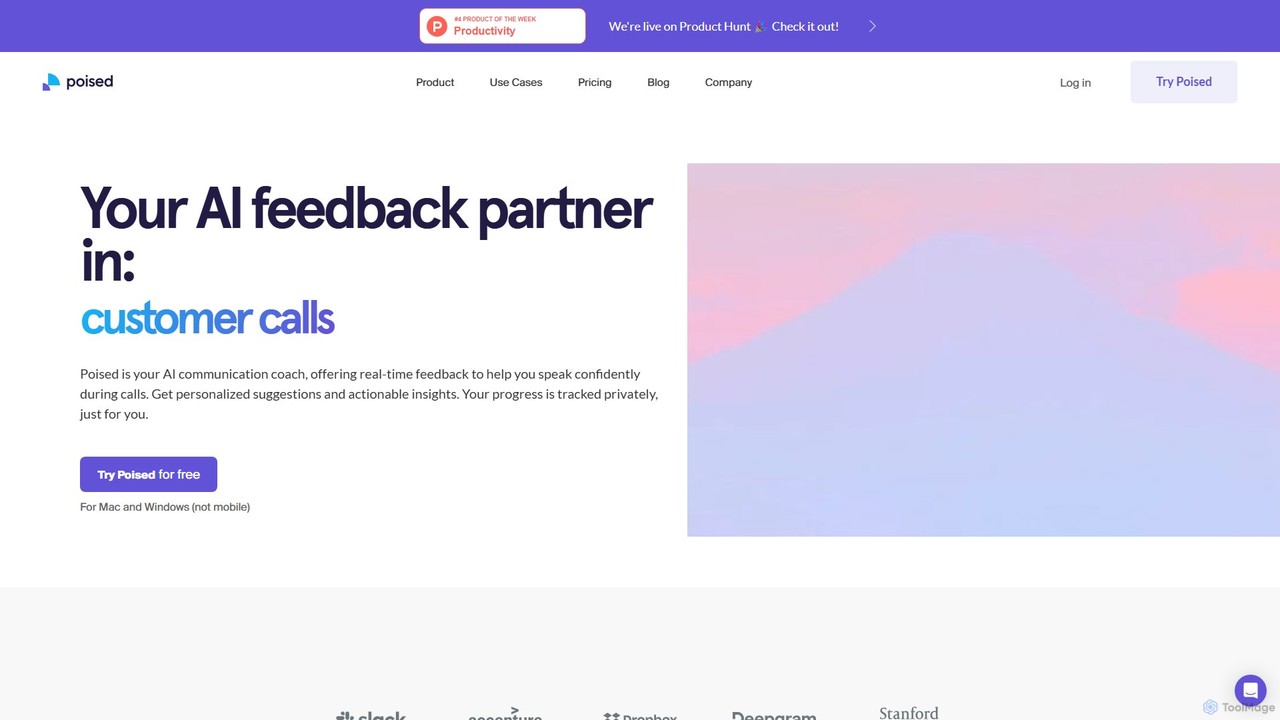
Poised is an AI-powered communication coach that provides real-time feedback during online meetings. It helps professionals improve their …

77.6K

About Professional Development

AI Professional Development tools are a class of applications designed to guide and accelerate individual career growth. These tools leverage machine learning and natural language processing to analyze skills, suggest personalized learning paths, and simulate real-world professional scenarios. They help users identify skill gaps, practice for interviews, and create actionable plans for advancement. Unlike generic online course platforms, these tools provide tailored guidance and interactive feedback to foster targeted skill acquisition.

Core Features

  • Skill Gap Analysis: Identifies the specific skills needed to advance from a current role to a target position.
  • Personalized Learning Paths: Generates custom-tailored learning plans with recommended courses, articles, and projects based on career goals.
  • AI-Powered Mock Interviews: Simulates job interviews and provides instant feedback on answer content, delivery, and non-verbal cues.
  • Performance Feedback Analysis: Uses NLP to interpret performance reviews and suggest concrete areas for improvement.
  • Career Path Simulation: Models potential career trajectories and outlines the steps required to achieve them.

Use Cases

These tools are valuable for professionals at all levels, from recent graduates planning their first career steps to senior leaders honing their executive presence. They are widely used by individuals seeking promotions, career changers needing to upskill, and managers aiming to develop their teams' capabilities. Human resources departments also utilize them for internal talent development and succession planning.

How to Choose

When selecting a professional development tool, consider the specificity of its focus—whether it's geared towards technical skills, soft skills, or leadership. Evaluate the quality and depth of the AI-driven feedback and the breadth of its content library or integrations with platforms like LinkedIn Learning. Also, assess the user interface's intuitiveness and the platform's data privacy policies, especially if you are inputting sensitive career information.

Professional DevelopmentUse Cases

1

Preparing for a Promotion Interview

A project manager aiming for a senior role uses an AI mock interview tool. They practice answering complex behavioral questions like 'Describe a time you handled a project failure.' The AI provides real-time feedback on the STAR (Situation, Task, Action, Result) structure of their answers, identifies overuse of filler words, and analyzes their tone for confidence. After several sessions, their responses become more concise and impactful, significantly increasing their confidence and preparedness for the actual interview.

2

Identifying and Closing Skill Gaps

A data analyst wants to transition into a machine learning engineer role. They use an AI career development platform to upload their resume and the job description of their target role. The tool performs a skill gap analysis, highlighting that they lack experience in production-level model deployment and advanced Python libraries. Based on this, the AI generates a personalized learning path, recommending specific online courses, hands-on projects on GitHub, and relevant articles to close these gaps effectively.

3

Enhancing Public Speaking Skills

A sales executive needs to improve their presentation skills for high-stakes client meetings. They use an AI communication coach to record their practice sessions. The tool analyzes their speech for pacing, tone variation, and clarity. It also flags filler words like 'um' and 'like' and provides a transcript with suggestions for more powerful vocabulary. The visual analysis component even offers feedback on eye contact and posture, helping the executive develop a more commanding and persuasive presence.

4

Crafting a Personal Development Plan

A recent graduate is unsure about their career path. They use an AI career planning tool and complete a series of assessments on their interests, personality, and skills. The AI synthesizes this data and suggests three potential career paths: UX designer, product marketing manager, and technical writer. For each path, it generates a detailed 5-year development plan, including recommended entry-level jobs, key skills to acquire, certifications to pursue, and networking opportunities, providing a clear roadmap for their future.

5

Navigating a Career Change

A marketing professional wants to transition into data science. They use an AI career mentor to understand the landscape. The tool simulates 'day-in-the-life' scenarios of a data scientist, provides a curated list of foundational skills (SQL, Python, statistics), and connects them with mentors in the field. It also helps them reframe their marketing experience on their resume, highlighting analytical and data-driven decision-making skills to appeal to data science recruiters, making the career pivot more strategic and less daunting.

6

Team Skill Development for Managers

A team lead in a software company uses an AI development platform to assess their team's collective skills. Each member completes a brief assessment. The platform aggregates the results, creating a visual skill matrix that highlights team-wide strengths (e.g., front-end development) and identifies critical gaps (e.g., cloud security). Based on this data, the manager can assign targeted training modules, organize peer-to-peer learning sessions, and make informed decisions for future hiring to build a more well-rounded and resilient team.

Professional DevelopmentFrequently Asked Questions