ToolMage
Sign in

Best 3 Ai Companion AI tools for Chatbot

Popular Ai Companion AI tools in Chatbot include Huggingfans, Loverr.ai, and The Last Rag, helping you work more efficiently.

The Last Rag
Freemium

The Last Rag

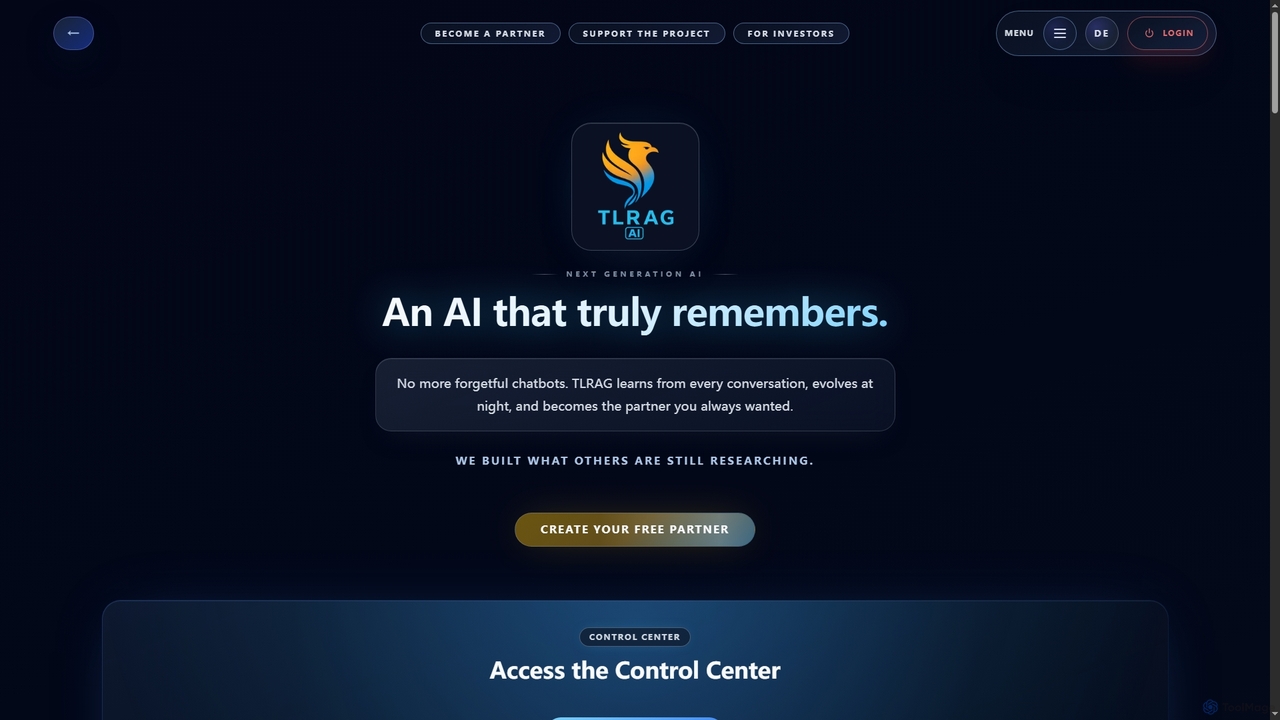
The Last Rag is a next-generation AI partner designed to overcome the memory limitations of conventional chatbots. It features a self-learning system that remembers conversations with full context, adapts its personality, and evolves overnight, offering a truly persistent and personalized interaction without censorship.

Ai Companion
Visits 5.6KFavorites 135Likes 145
Huggingfans
Freemium

Huggingfans

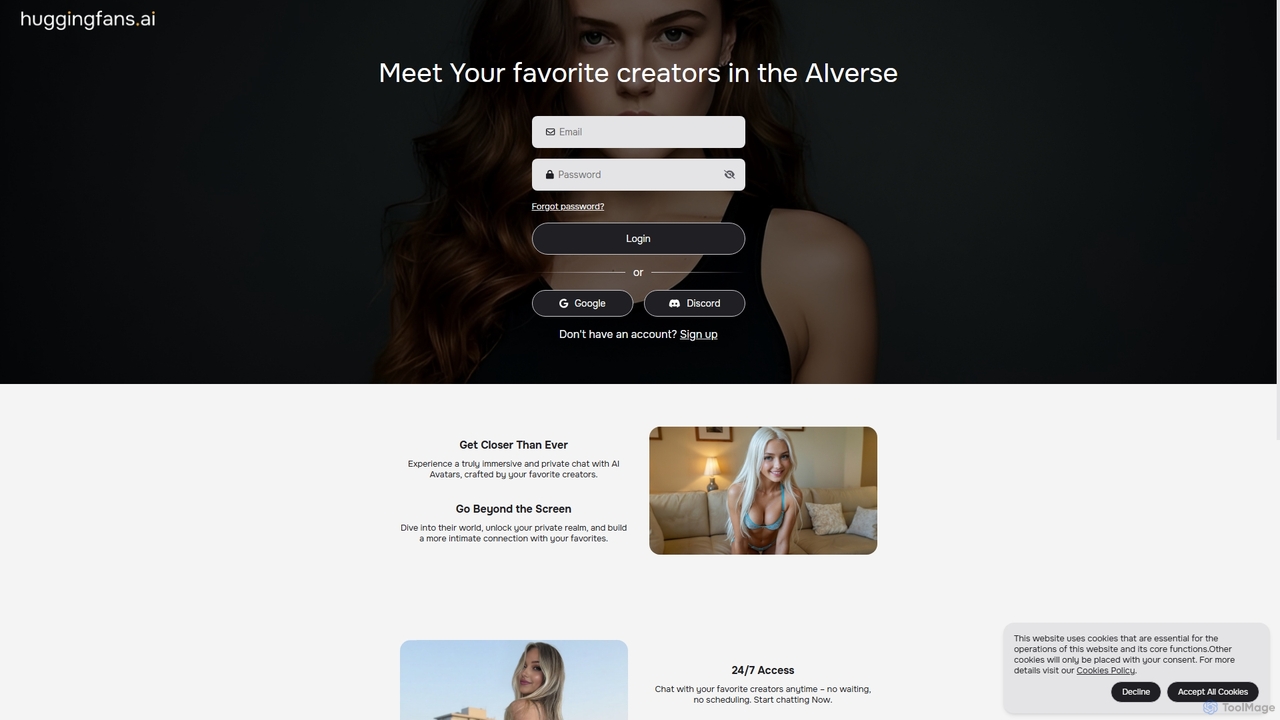
Huggingfans is a platform that allows fans to connect with their favorite creators through immersive, private chats with AI-powered avatars. Experience 24/7 access and build a deeper, more personal relationship with AI companions that feature human-like reactions and long-term memory.

Ai Companion
Visits 17KFavorites 147Likes 157
Loverr.ai
Freemium

Loverr.ai

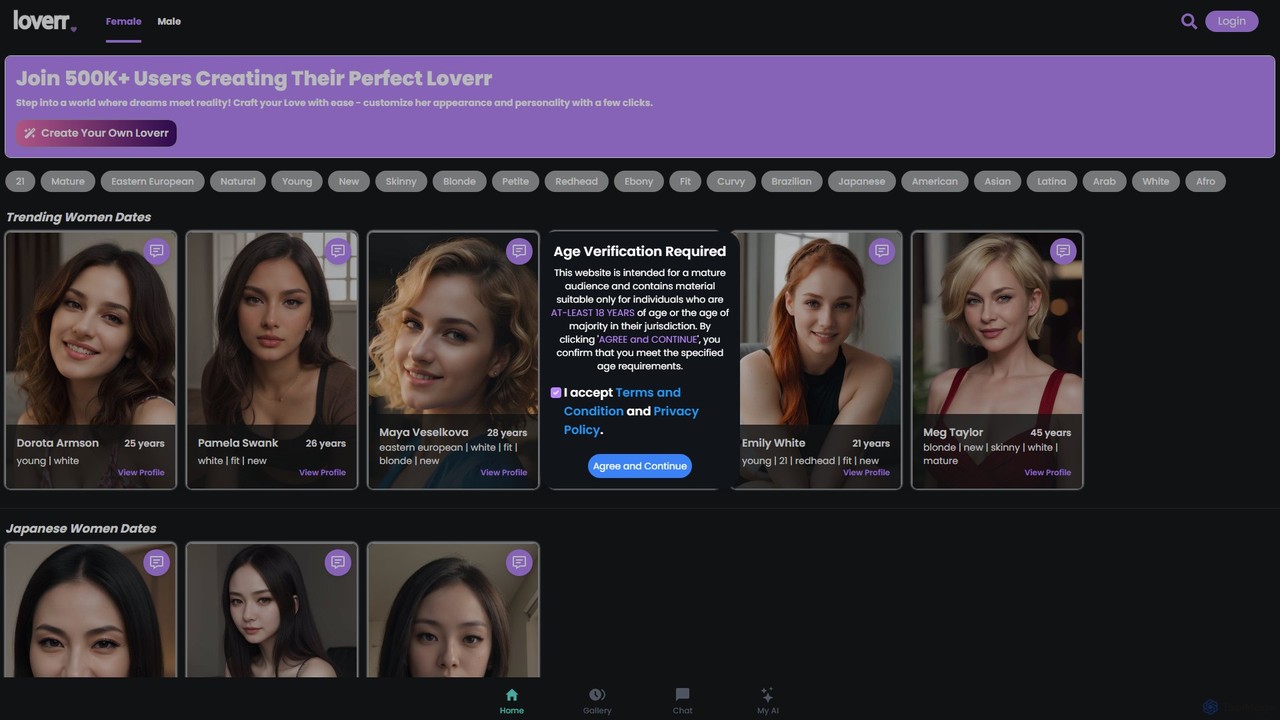
Loverr.ai is an AI-powered platform for creating and interacting with virtual companions. Users can design their ideal partner by customizing appearance, ethnicity, age, and personality traits. Engage in realistic, immersive conversations and build unique relationships with AI characters, exploring a world where digital companionship meets reality.

Ai Companion
Visits 5.8KFavorites 138Likes 153

About Ai Companion

AI Companion tools are advanced conversational AI systems designed for highly personalized, continuous, and proactive interaction with users. Unlike general chatbots, they leverage sophisticated natural language processing and machine learning to understand individual preferences, remember past interactions, and adapt their responses over time. These tools aim to provide tailored support, companionship, and assistance across various aspects of a user's life, fostering a more engaging and meaningful digital relationship by offering intelligent, context-aware, and empathetic interactions.

Core Features

  • Personalized Interaction: Adapts communication style, content, and recommendations based on individual user preferences, historical data, and evolving needs, creating a truly unique experience.
  • Contextual Memory: Retains information from previous conversations, user habits, and personal details to ensure continuity and relevance in ongoing dialogues, avoiding repetitive information requests.
  • Proactive Assistance: Offers timely suggestions, reminders, and insights without explicit prompting, anticipating user needs for tasks, learning, or well-being, enhancing efficiency and support.
  • Emotional Understanding: Utilizes advanced sentiment analysis and emotional detection algorithms to interpret user emotions and respond empathetically, providing comfort, encouragement, or appropriate guidance.
  • Multi-modal Communication: Supports interaction through various channels including text, voice, and sometimes visual inputs, allowing for a richer, more natural, and accessible engagement experience.

Applicable Scenarios

AI Companions are utilized by individuals seeking personalized digital assistance, emotional support, or enhanced productivity across diverse life domains. They serve as valuable tools for managing daily tasks, providing a non-judgmental space for reflection and mental well-being, or acting as a dedicated learning partner for skill development. Their adaptive nature and ability to build rapport make them suitable for long-term engagement in personal growth, creative endeavors, and even social interaction, offering consistent and tailored support.

How to Choose

When selecting an AI Companion, consider its depth of personalization and learning capabilities, ensuring it truly adapts to your unique needs and evolves with your interactions. Evaluate its privacy and data security policies, as these tools often handle sensitive personal information, making robust protection paramount. Assess the quality of its emotional intelligence and empathetic responses, which are crucial for a supportive relationship, alongside its integration potential with other applications or devices you use daily for a seamless experience. Finally, consider the range of functionalities offered, from task management to creative assistance, to match your primary use case.

Ai Companion use cases

1

Personalized Daily Task Management

A busy professional uses an AI Companion to organize their daily schedule, set reminders for meetings and deadlines, and prioritize tasks. The companion learns their work patterns and preferences, proactively suggesting optimal times for focused work or breaks, and even drafting routine emails based on past communications, significantly boosting productivity.

2

Emotional Support and Mental Well-being

An individual experiencing stress or loneliness interacts with an AI Companion for empathetic listening and support. The companion provides a safe, non-judgmental space to express feelings, offers guided mindfulness exercises, suggests coping strategies, and tracks mood changes over time, contributing to improved emotional resilience and self-awareness.

3

Language Learning and Practice Partner

A language learner utilizes an AI Companion for conversational practice in a new language. The companion corrects grammar, expands vocabulary, simulates real-life dialogues, and adapts the difficulty level based on the user's progress. This personalized, interactive approach accelerates language acquisition and builds confidence in speaking.

4

Creative Idea Generation and Brainstorming

A content creator or writer engages an AI Companion to overcome creative blocks and generate new ideas. The companion can brainstorm topics, suggest plot twists, refine concepts, or even help structure outlines for articles, stories, or marketing campaigns, acting as a collaborative partner in the creative process.

5

Personalized Information Curation and Summarization

A researcher or student uses an AI Companion to filter and summarize vast amounts of information. The companion learns their research interests, curates relevant articles and reports, and provides concise summaries of complex documents, saving significant time in information gathering and synthesis, and ensuring they stay updated on specific topics.

6

Elderly Companionship and Daily Assistance

An elderly person interacts with an AI Companion for social engagement and daily reminders. The companion provides friendly conversation, reminds them about medication schedules, appointments, or hydration, and can even facilitate simple smart home controls. This offers a sense of companionship and practical support, enhancing their independence and well-being.

Ai Companion FAQ

What is an AI Companion and how is it different from a regular chatbot?

An AI Companion is a sophisticated conversational AI designed for personalized, continuous, and proactive interaction, aiming to build a long-term, supportive relationship with a user. Unlike a regular chatbot, which typically performs specific, task-oriented functions based on predefined rules or general knowledge, an AI Companion learns individual preferences, remembers past interactions, understands context, and can offer empathetic responses. It focuses on personal growth, well-being, and tailored assistance rather than just answering queries or automating simple tasks.

How do AI Companions personalize interactions and learn about users?

AI Companions personalize interactions by employing advanced machine learning algorithms, including natural language processing (NLP) and deep learning. They analyze user input, interaction history, expressed preferences, and even sentiment to build a dynamic user profile. This profile allows the companion to adapt its communication style, suggest relevant information, offer tailored advice, and remember specific details from past conversations, ensuring a highly customized and evolving user experience over time.

What are the primary benefits of integrating an AI Companion into daily life?

Integrating an AI Companion offers several key benefits. It can significantly boost personal productivity by automating reminders, organizing schedules, and assisting with information management. For mental well-being, it provides a non-judgmental space for emotional expression and offers supportive interactions. Additionally, AI Companions can serve as dedicated learning partners, creative collaborators, or simply provide companionship, enhancing overall quality of life through personalized and intelligent assistance.

What kind of tasks can an AI Companion assist with?

AI Companions can assist with a wide array of tasks, extending beyond simple Q&A. This includes managing personal schedules, setting reminders, and organizing to-do lists. They can help with creative brainstorming, drafting content, and refining ideas. For learning, they offer conversational practice and knowledge reinforcement. Furthermore, they provide emotional support, engage in casual conversation, and can even help curate personalized information feeds, adapting their capabilities to the user's evolving needs and requests.

How do AI Companions ensure user privacy and data security?

Reputable AI Companions prioritize user privacy and data security through robust measures. This typically involves encrypting all user data, implementing strict access controls, and adhering to data protection regulations like GDPR or CCPA. Users often have control over their data, including options to review, download, or delete their interaction history. Transparency about data usage and anonymization techniques are also crucial, ensuring that personal information is protected and used responsibly only to enhance the personalized experience.