ToolMage
Sign in

Best 2 Internal Communication AI tools for Communication

Popular Internal Communication AI tools in Communication include Haller.ai and Mosen, helping you work more efficiently.

Mosen

Mosen

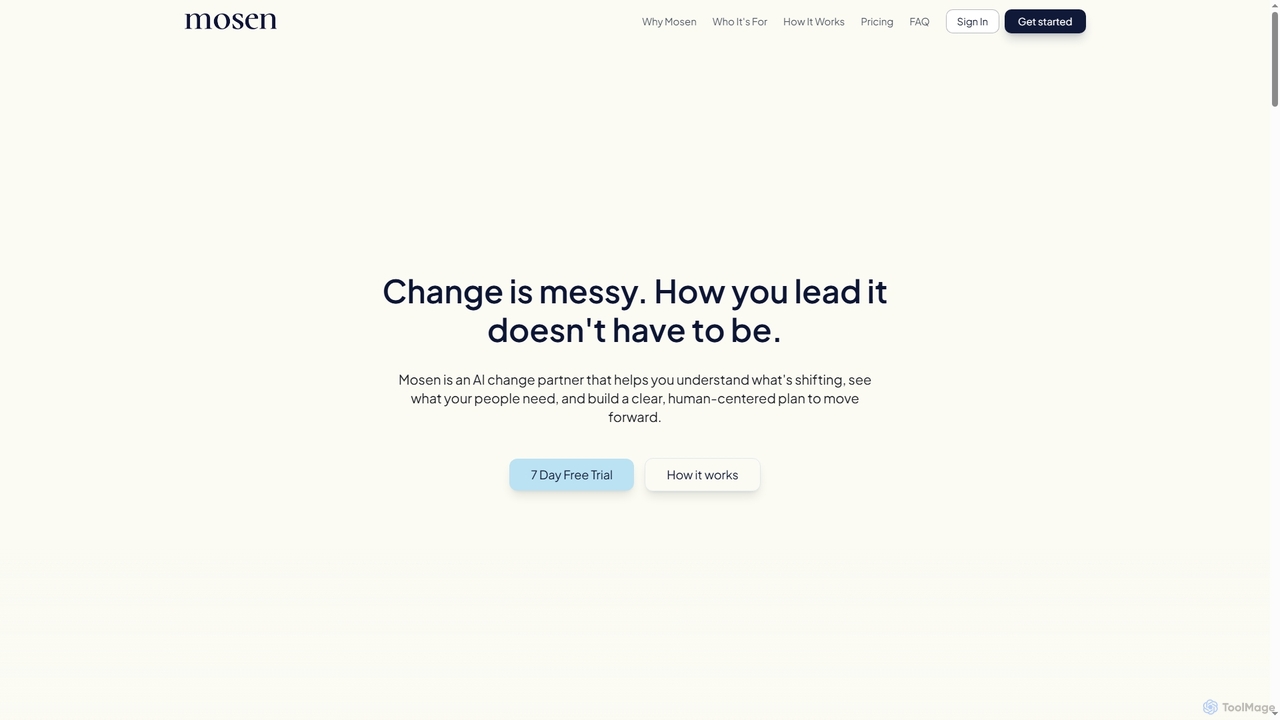
Mosen is an AI change partner designed to help leaders navigate complex organizational transformations. It provides human-centered plans, ready-to-use communication content, and adaptive guidance to ensure successful adoption and alignment, moving from chaos to confident action.

Change Management
Visits 4.4KFavorites 87Likes 96
Haller.ai
Freemium

Haller.ai

Haller.ai is an AI-powered platform designed to enhance corporate communication by streamlining town halls and all-hands meetings. It uses AI to moderate Q&A sessions, analyze employee sentiment in real-time, and generate actionable insights. This tool helps leadership connect more effectively with their teams, fostering transparency and a more engaged company culture.

Analytics
Visits 3.5MFavorites 139Likes 135

About Internal Communication

Internal Communication AI tools are AI-powered solutions designed to streamline and enhance information flow, collaboration, and engagement within an organization. These tools leverage natural language processing, machine learning, and automation to facilitate more effective interactions among employees, teams, and departments. They aim to foster a cohesive work environment by ensuring timely, relevant, and personalized communication, ultimately improving productivity and employee satisfaction.

Core Features

  • Automated Announcements: Automatically draft, schedule, and distribute company-wide updates, policy changes, or event reminders to relevant employee groups.
  • Smart Knowledge Retrieval: Provide instant access to internal documents, FAQs, and company policies through AI-driven search and conversational interfaces.
  • Sentiment Analysis: Analyze employee feedback from surveys or internal messages to gauge morale, identify pain points, and inform HR strategies.
  • Personalized Information Delivery: Tailor communication content and channels based on an employee's role, department, or past interactions, reducing information overload.
  • Meeting Summarization: Automatically transcribe and summarize meeting discussions, highlighting key decisions, action items, and participants for easy review.

Applicable Scenarios

These tools are invaluable for HR departments managing employee engagement, project managers coordinating cross-functional teams, and leadership ensuring transparent company-wide communication. They are particularly useful in large organizations with distributed workforces or companies seeking to centralize and optimize their internal knowledge base.

How to Choose

When selecting Internal Communication AI tools, consider the specific communication challenges your organization faces, such as information silos or low employee engagement. Evaluate features like integration with existing platforms (e.g., Slack, Microsoft Teams), customization options for branding and content, data security protocols, and the scalability to accommodate your company's growth. User-friendliness and the ability to provide actionable insights from communication data are also crucial.

Featured tool rankings

Internal Communication use cases

1

Automating Company-Wide Announcements

For HR and leadership teams, AI tools can automate the drafting and distribution of routine company announcements, such as policy updates, holiday schedules, or event invitations. By integrating with internal directories, the AI ensures messages reach the correct employee segments, saving significant time for communicators and ensuring consistent information delivery across the organization.

2

Streamlining New Employee Onboarding

HR departments can utilize Internal Communication AI to create personalized onboarding journeys for new hires. The AI can automatically provide relevant documents, answer common questions about company culture or benefits, and guide new employees through initial tasks, ensuring a smoother and more engaging integration process without constant manual intervention.

3

Enhancing Cross-Departmental Project Collaboration

Project managers overseeing complex projects involving multiple departments can use AI tools to centralize project updates and facilitate seamless information exchange. The AI can summarize daily stand-ups, highlight critical progress, and flag potential roadblocks, ensuring all team members are aligned and informed, regardless of their location or time zone.

4

Gathering and Analyzing Employee Feedback

Organizations can deploy AI tools to collect and analyze employee feedback from various channels, including internal surveys, suggestion boxes, or even sentiment expressed in team chats. The AI identifies recurring themes, sentiment trends, and key areas for improvement, providing HR and management with actionable insights to enhance employee satisfaction and retention.

5

Instant Access to Company Knowledge Base

Employees across all departments can benefit from AI-powered knowledge retrieval systems. Instead of sifting through countless documents, they can ask natural language questions to an AI chatbot or search interface to instantly find company policies, IT solutions, project documentation, or HR guidelines, significantly reducing time spent searching for information.

6

Facilitating Crisis Communication

During critical situations, Internal Communication AI tools can rapidly disseminate urgent information to the entire workforce or specific groups. The AI can help draft clear, concise messages, ensure multi-channel delivery (email, chat, intranet), and track message receipt, enabling swift and coordinated responses to emergencies or significant company changes.

Internal Communication FAQ

What are Internal Communication AI tools?

Internal Communication AI tools are software solutions that use artificial intelligence to automate, optimize, and personalize communication within an organization. They leverage technologies like NLP and machine learning to improve how employees share information, collaborate, and engage with company updates, aiming to create a more connected and informed workforce.

How do Internal Communication AI tools differ from general communication platforms?

While general communication platforms (like Slack or Teams) provide channels for interaction, Internal Communication AI tools add an intelligent layer. They go beyond basic messaging by offering features such as automated content generation, smart information retrieval, sentiment analysis of employee feedback, and personalized delivery, specifically tailored to internal organizational needs rather than broad external or general-purpose communication.

What are the key benefits of using AI for internal communication?

Using AI for internal communication offers several benefits, including increased efficiency through automation of routine messages, improved employee engagement via personalized content, faster access to critical information through intelligent search, and enhanced decision-making based on AI-driven sentiment analysis of feedback. It helps reduce information overload and fosters a more transparent and collaborative culture.

What features should I look for when choosing an Internal Communication AI tool?

When selecting an Internal Communication AI tool, prioritize features like robust natural language processing for understanding queries and generating content, seamless integration with your existing HRIS and communication platforms, advanced analytics for measuring engagement and sentiment, and strong data security and privacy compliance. Customization options for branding and content delivery are also important.

Who typically uses Internal Communication AI tools within an organization?

Internal Communication AI tools are primarily used by HR departments for employee engagement and onboarding, corporate communications teams for company-wide announcements, and leadership for strategic messaging. Project managers utilize them for team coordination, and employees across all levels benefit from improved access to information and streamlined collaboration, making them valuable across the entire organization.