ToolMage
Sign in

Best 2 Content Moderation AI tools for Community

Popular Content Moderation AI tools in Community include Bodyguard and The Record, helping you work more efficiently.

The Record

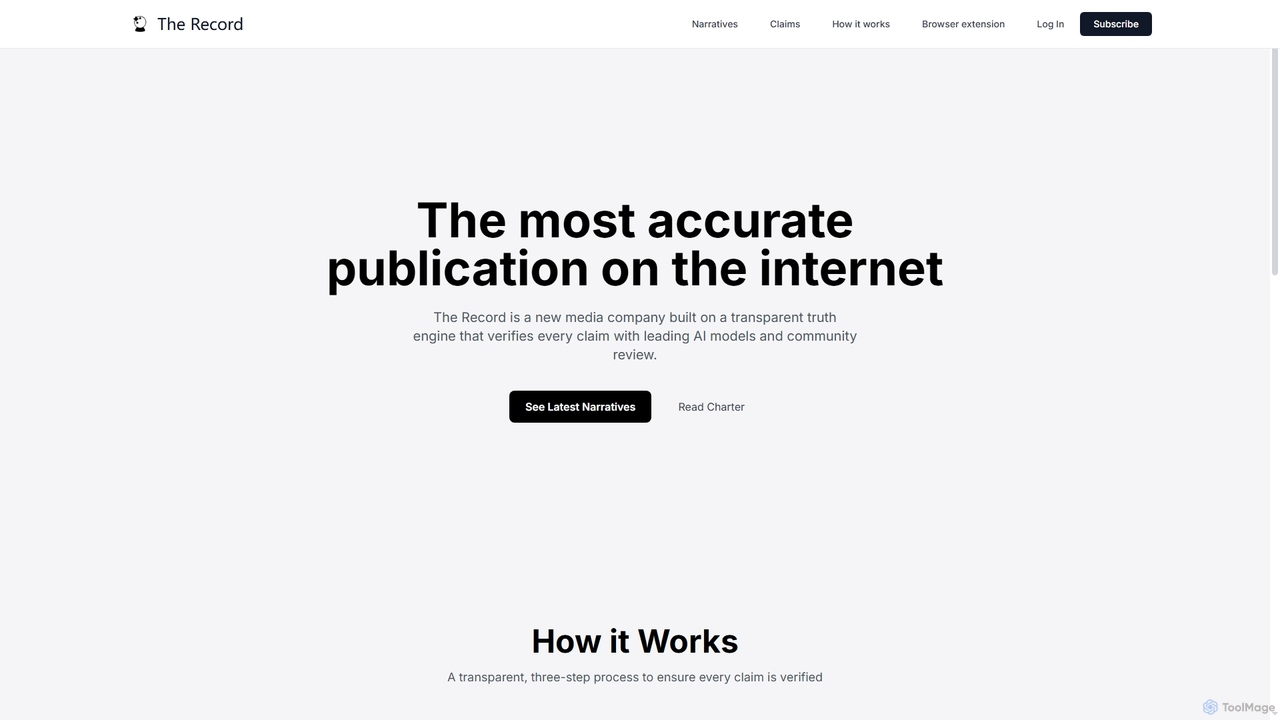
The Record

The Record is a new media platform that leverages advanced AI models and community review to verify claims, providing a transparent truth engine for online information. It compiles highly accurate narratives and assigns credibility scores to users, aiming to be the most accurate publication on the internet.

Content Moderation
Visits 4.4KFavorites 71Likes 72
Bodyguard
Paid

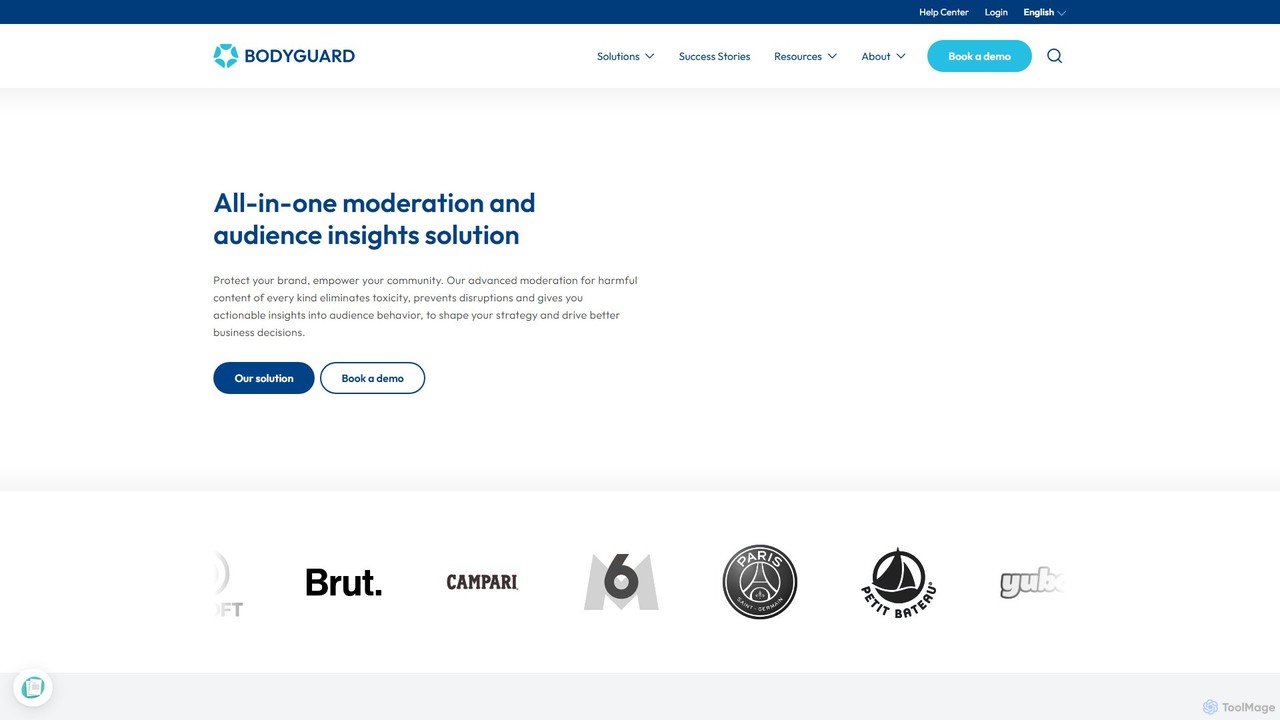
Bodyguard

Bodyguard is an advanced AI-powered moderation solution designed to protect online communities and brand reputations. It offers real-time, multimodal moderation for text, images, and videos, automatically detecting and eliminating toxic content like hate speech, spam, and cyberbullying. Beyond protection, Bodyguard provides valuable audience insights to help businesses understand community behavior, shape strategy, and foster safe, engaging online environments. It's a comprehensive tool for platforms, brands, and online games seeking to scale safely and build trust with their users.

Audience Insights
Visits 11.9KFavorites 136Likes 124

About Content Moderation

AI Content Moderation tools are a class of software that uses artificial intelligence to automatically detect, analyze, and manage user-generated content (UGC). Leveraging technologies like Natural Language Processing (NLP) and computer vision, these tools scan text, images, and videos for policy violations such as hate speech, spam, nudity, or violence. Their primary purpose is to help online platforms maintain a safe, compliant, and positive community environment at scale. This automates a process that is traditionally resource-intensive and psychologically demanding for human moderators.

Core Features

  • Text Analysis: Detects profanity, hate speech, bullying, and spam in comments, posts, and messages.
  • Image & Video Moderation: Scans visual media for nudity, violence, weapons, and other inappropriate content.
  • Policy Violation Detection: Flags content that breaches specific platform rules, like misinformation or copyright infringement.
  • Real-time Filtering: Automatically blocks or quarantines harmful content before it becomes publicly visible.
  • Moderator Assist Tools: Provides dashboards and prioritized queues to help human teams efficiently review flagged content.

Use Cases

These tools are essential for social media networks, online forums, gaming platforms, e-commerce review sections, and live streaming services. Any platform that hosts significant user-generated content can use them to protect their brand reputation and ensure user safety, automating the first line of defense against harmful material.

How to Choose

When selecting a tool, consider its accuracy and the types of content it supports (text, image, video). Evaluate its customization options for defining specific moderation policies and its language support. Also, assess its API for easy integration with your platform and its ability to scale with your content volume. A balance between automated efficiency and human review capabilities is often key.

Featured tool rankings

Content Moderation use cases

1

Automate Social Media Platform Safety

A community manager for a large social network is tasked with protecting users from harmful visual content. They use an AI Content Moderation tool to automatically scan millions of daily image and video uploads in real-time. The AI identifies and flags content depicting nudity, violence, or self-harm based on pre-defined platform policies. High-confidence violations are removed instantly, while borderline cases are sent to a human review queue. This approach allows the platform to handle massive content volumes efficiently, reducing user exposure to harmful material by over 95% and freeing up the human team to focus on complex cases.

2

Filter Spam and Fake E-commerce Reviews

An e-commerce marketplace manager needs to maintain the integrity of their product review system. They implement an AI moderation tool to analyze all incoming reviews. The tool's NLP model is trained to detect patterns indicative of spam, such as repetitive phrases, irrelevant links, and promotional language. It also flags reviews written in a hostile or profane tone. By automatically filtering out approximately 98% of spam and fake reviews before they are published, the tool helps ensure that customers see authentic feedback, which builds trust and improves the overall shopping experience.

3

Moderate Real-time In-Game Chat

A multiplayer online game developer wants to create a non-toxic gaming environment. They integrate a real-time text moderation API into their game's chat system. The AI analyzes messages as they are sent, instantly detecting and blocking hate speech, bullying, personal threats, and profanity based on customizable rules. The system can issue automated warnings to players or mute repeat offenders. This proactive moderation helps retain players by fostering a more positive and inclusive community, reducing the need for a large human moderation team to monitor live chats 24/7.

4

Monitor Live Streaming for Policy Violations

A live streaming platform needs to prevent the broadcast of illegal activities or harmful content. They employ an AI video moderation service that analyzes video streams in real-time. The AI can detect visual cues related to violence, weapons, or drug use, and can also transcribe audio to text to check for prohibited keywords. When a potential violation is detected, the system automatically alerts a human moderation team, providing a timestamp and a snapshot of the incident. This allows for swift intervention, such as terminating the stream, to ensure compliance and protect the community.

5

Manage Brand Reputation in Online Forums

A corporate marketing team monitors a large, active online forum dedicated to their products. To manage brand reputation effectively, they use an AI moderation tool to scan all new posts and comments. The tool is configured to flag mentions of competitor products, posts with strong negative sentiment, and potential misinformation about their services. This allows the community team to prioritize their responses, addressing critical customer complaints quickly and correcting inaccurate information before it spreads, thereby protecting the brand's image and fostering a more constructive community discussion.

6

Ensure Child Safety on Educational Platforms

An online learning platform for children must maintain a strictly safe environment. They deploy a comprehensive AI content moderation system across all user interaction points, including forums, project submissions, and direct messaging. The AI is fine-tuned with a zero-tolerance policy for bullying, profanity, and any imagery or text that is inappropriate for children. All flagged content is immediately quarantined and sent to a specialized human moderation team for final review. This multi-layered approach ensures the platform complies with child safety regulations and provides a secure space for learning.

Content Moderation FAQ

What is AI Content Moderation?

AI Content Moderation is the use of artificial intelligence technologies to automatically screen, flag, and manage user-generated content (UGC). It relies on machine learning models, Natural Language Processing (NLP) for text, and computer vision for images and videos. These tools are designed to detect various types of policy violations, such as hate speech, spam, nudity, violence, and illegal activities, helping platforms maintain a safe and compliant online environment at a scale that is impossible for humans alone.

What is the difference between AI moderation and manual moderation?

The main difference lies in scale, speed, and nuance. AI moderation excels at handling massive volumes of content 24/7 with high speed and consistency, making it ideal for first-pass filtering. Manual moderation, performed by humans, provides the critical nuance, cultural context, and judgment needed to handle complex, ambiguous, or sensitive cases that AI might misinterpret. Most effective moderation strategies use a hybrid approach: AI handles the clear-cut violations at scale, while human moderators review flagged content and make final decisions on edge cases.

How to choose the right AI Content Moderation tool?

Choosing the right tool depends on your specific needs. Consider the following factors:

  • Content Types: Ensure the tool supports all the content formats you need to moderate (e.g., text, images, video, live streams).
  • Accuracy and Recall: Evaluate the model's performance. High accuracy minimizes false positives, while high recall ensures most violations are caught.
  • Customization: Look for the ability to create custom policies and rules that align with your community guidelines.
  • Integration: Check for a robust API and documentation for easy integration into your existing platform or workflow.
  • Scalability: The tool should be able to handle your current and future content volume without performance degradation.
What types of content can AI moderation tools detect?

AI moderation tools can detect a wide range of problematic content across different media types. For text, this includes profanity, hate speech, bullying, spam, and the sharing of personally identifiable information (PII). For images and videos, they can identify nudity, graphic violence, gore, weapons, and drug-related content. More advanced systems can also be trained to detect nuanced issues like radicalization propaganda, misinformation, and specific violations of a platform's terms of service, such as copyright infringement.

Who needs to use AI Content Moderation tools?

Any online platform, business, or community that hosts user-generated content (UGC) can benefit from AI Content Moderation. This includes a wide range of organizations:

  • Social Media Networks: To manage billions of posts, comments, and uploads daily.
  • E-commerce & Marketplaces: To filter fake reviews and inappropriate product listings.
  • Online Gaming Companies: To maintain a non-toxic chat environment for players.
  • Dating Apps: To protect users from scams, harassment, and inappropriate profiles.
  • Forums & Communities: To enforce community guidelines and keep discussions on-topic.

Essentially, if your platform's success and user safety depend on the quality of its UGC, AI moderation is a critical tool.