
ToolMage
Sign in

Best 1 Discussion Platforms for Community

Popular Discussion Platforms in Community include Swellcast, helping you work more efficiently.

Swellcast
Free

Swellcast

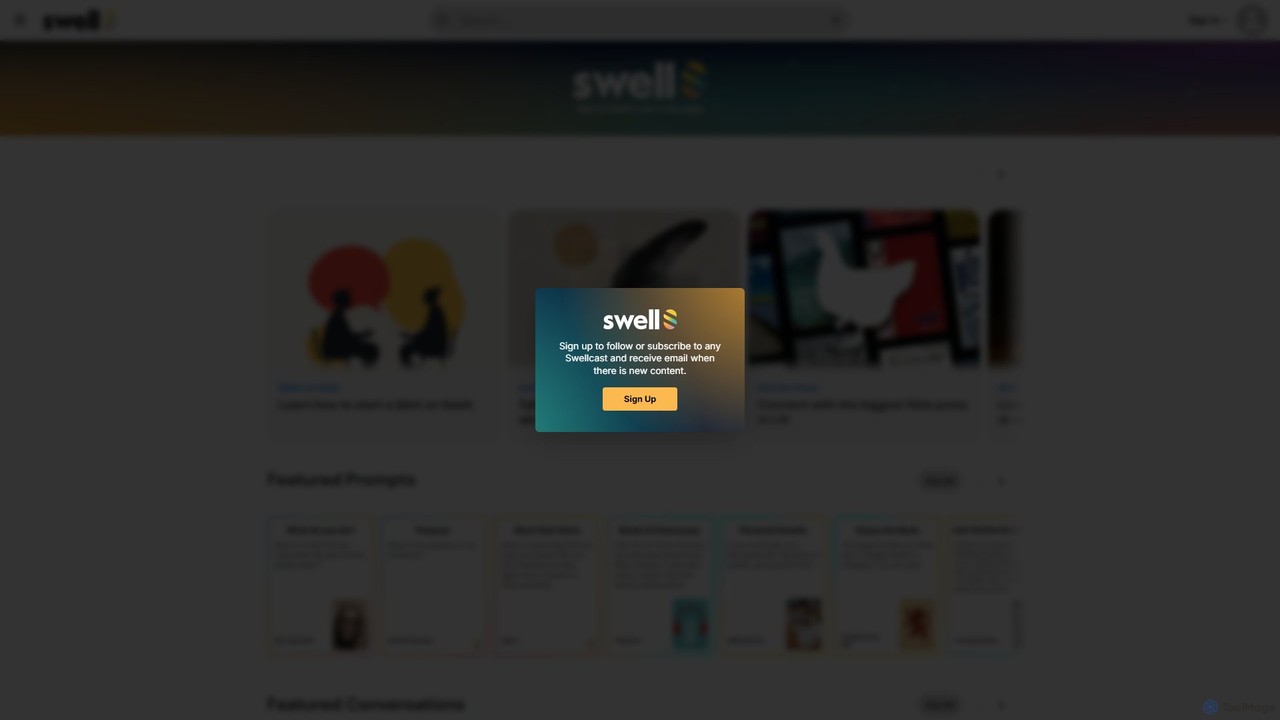
Swellcast is a social audio platform for thoughtful conversations. Create and share short-form audio clips (swellcasts) up to 5 minutes long, reply to others, and join discussions on diverse topics. It's ideal for creators, authors, and anyone looking to engage in authentic, voice-based conversations and build communities asynchronously.

Discussion Platforms
Visits 5.6KFavorites 123Likes 127

About Discussion Platforms

AI Discussion Platforms are specialized tools for creating and managing online communities centered around structured, topic-based conversations. They leverage artificial intelligence to automate moderation, analyze user engagement, and intelligently organize content, fostering healthier and more valuable interactions than traditional forums. These platforms are ideal for brands, software companies, and educational institutions aiming to build engaged communities where knowledge is shared and preserved. AI features like automated content tagging and conversation summarization make information highly discoverable and accessible for all members.

Core Features

  • AI-Powered Moderation: Automatically detects and flags spam, toxic language, and off-topic content to maintain community health.
  • Automated Content Curation: Suggests relevant topics, applies tags to posts, and summarizes long discussion threads for easy consumption.
  • Intelligent Search & Discovery: Uses Natural Language Processing (NLP) to help users find precise answers and relevant discussions within the community.
  • Engagement Analytics: Provides data-driven insights into community health, popular topics, and user sentiment.
  • User & Topic Matching: Connects members with relevant experts or discussions based on their interests and activity.

Use Cases

These platforms are frequently used by software companies for user support forums, by brands for building customer communities, and by online course creators for student interaction. They are highly effective for creating searchable knowledge bases, facilitating project collaboration, and systematically gathering product feedback from a dedicated user base.

How to Choose

When selecting a platform, evaluate the effectiveness of its AI moderation tools and the depth of its analytics. Consider its integration capabilities with other systems like CRM or single sign-on (SSO), the level of customization available for branding, and its scalability to support a growing number of users and conversations. A clear and predictable pricing model is also a crucial factor.

Discussion Platforms use cases

1

Building a Customer Support Community

A SaaS company uses an AI discussion platform to augment its email support system. When users post questions, the AI automatically tags them by topic (e.g., 'billing', 'bug report', 'feature request') and suggests relevant articles from the existing knowledge base. This self-service approach deflects common inquiries, allowing the support team to focus on complex issues. The platform's analytics identify recurring problems, providing valuable feedback for product development and reducing overall support tickets by an estimated 30%.

2

Managing an Open-Source Project Forum

Developers of an open-source library use the platform for community contributions and discussions. The AI moderation tool automatically filters out spam and enforces the code of conduct by flagging inappropriate language, saving maintainers significant time. The platform's smart search helps new contributors find answers to common setup issues and previous design discussions, lowering the barrier to entry and fostering a more welcoming and productive environment for collaboration.

3

Facilitating Online Course Discussions

An educational institution hosts student discussions for a large online course. The AI summarizes weekly discussion threads, highlighting key questions, insightful comments, and common misconceptions for the instructor to review. It also uses sentiment analysis to identify students who may be struggling or disengaged, allowing for timely intervention. This automates a significant portion of the administrative work, enabling instructors to focus on teaching and providing personalized support to a larger cohort of students.

4

Creating a Brand Ambassador Program Hub

A consumer brand creates a private hub for its top advocates and ambassadors. The platform's AI suggests discussion prompts and challenges to keep members engaged and sharing user-generated content. Community managers use the analytics dashboard to track engagement metrics and identify the most influential members. The AI also analyzes conversations to spot emerging product ideas and authentic customer feedback, which is then relayed to the marketing and product teams for strategic planning.

5

Internal Knowledge Sharing for Enterprises

A large corporation implements an internal discussion platform for employees to ask technical and procedural questions. The AI connects employees with subject matter experts within the company based on question content and expert profiles. More importantly, it automatically converts resolved questions and their best answers into a permanent, searchable knowledge base. This reduces repeated inquiries to the IT helpdesk and other departments, preserving institutional knowledge and empowering employees to find solutions independently.

6

Gathering Structured Product Feedback

A product manager uses a dedicated section of their community platform for feature requests and feedback. The AI automatically groups similar feedback and requests, preventing duplicate threads and providing a clear view of the most-requested features. It also performs sentiment analysis on feedback to gauge user satisfaction with recent updates. This structured approach transforms a chaotic stream of user comments into an organized, actionable backlog for the product development team, ensuring that development priorities align with customer needs.

Discussion Platforms FAQ

What are AI Discussion Platforms?

AI Discussion Platforms are online community tools designed for structured, asynchronous conversations, similar to modern forums. They use artificial intelligence to enhance community management by automating tasks like content moderation, topic tagging, and summarizing long threads. Unlike real-time chat applications, their primary goal is to build a persistent, searchable knowledge base from user interactions, making them ideal for customer support, knowledge sharing, and collaborative projects.

How to choose the right AI Discussion Platform?

When selecting an AI Discussion Platform, consider these key factors:

  • Moderation Capabilities: Assess how effectively the AI detects and handles spam, toxicity, and off-topic content. Look for customizable moderation rules.
  • Content Organization: Evaluate the AI's ability to automatically tag posts, merge duplicates, and summarize discussions to improve discoverability.
  • Analytics and Insights: Check for robust dashboards that provide insights into community health, user sentiment, and trending topics.
  • Integration: Ensure the platform can connect with your existing tools, such as CRM, SSO, or helpdesk software.
  • Scalability and Pricing: Choose a platform that can grow with your community and offers a clear, predictable pricing structure.
What's the difference between an AI Discussion Platform and a real-time chat tool?

The primary difference lies in their purpose and structure. AI Discussion Platforms are built for asynchronous, threaded conversations that create a lasting knowledge base. They prioritize organization, searchability, and long-form content. Real-time chat tools (like Slack or Discord) are for synchronous, fast-paced communication. Conversations are often ephemeral and not easily searchable for future reference. AI in discussion platforms focuses on content curation and moderation, while in chat tools, it's often used for bots and workflow automation.

What are the main benefits of using AI in a discussion community?

Using AI in a discussion community offers several key benefits:

  • Scalable Moderation: AI can handle a large volume of content 24/7, reducing the manual workload for community managers and ensuring a safer environment.
  • Improved Content Discovery: Automated tagging, summarization, and smart search help users find relevant information quickly, increasing the value of the community's knowledge base.
  • Increased Engagement: AI can prompt discussions, recommend relevant content to users, and identify experts, fostering more meaningful interactions.
  • Actionable Insights: Sentiment analysis and topic trend identification provide community managers with data to understand community health and make informed decisions.
Who should use an AI Discussion Platform?

AI Discussion Platforms are best suited for roles and organizations that need to manage structured conversations at scale. This includes:

  • Community Managers: To automate moderation and gain insights into community health.
  • Customer Support Teams: To build a self-service knowledge base and deflect common support tickets.
  • Product Managers: To gather structured user feedback and identify feature requests.
  • Open-Source Project Maintainers: To manage contributor discussions and lower the barrier for new members.
  • Educators and Course Creators: To facilitate student discussions and monitor engagement in online learning environments.