ToolMage
Sign in

Best 1 Event Discovery AI tools for Community

Popular Event Discovery AI tools in Community include Sibbl, helping you work more efficiently.

Sibbl

Sibbl

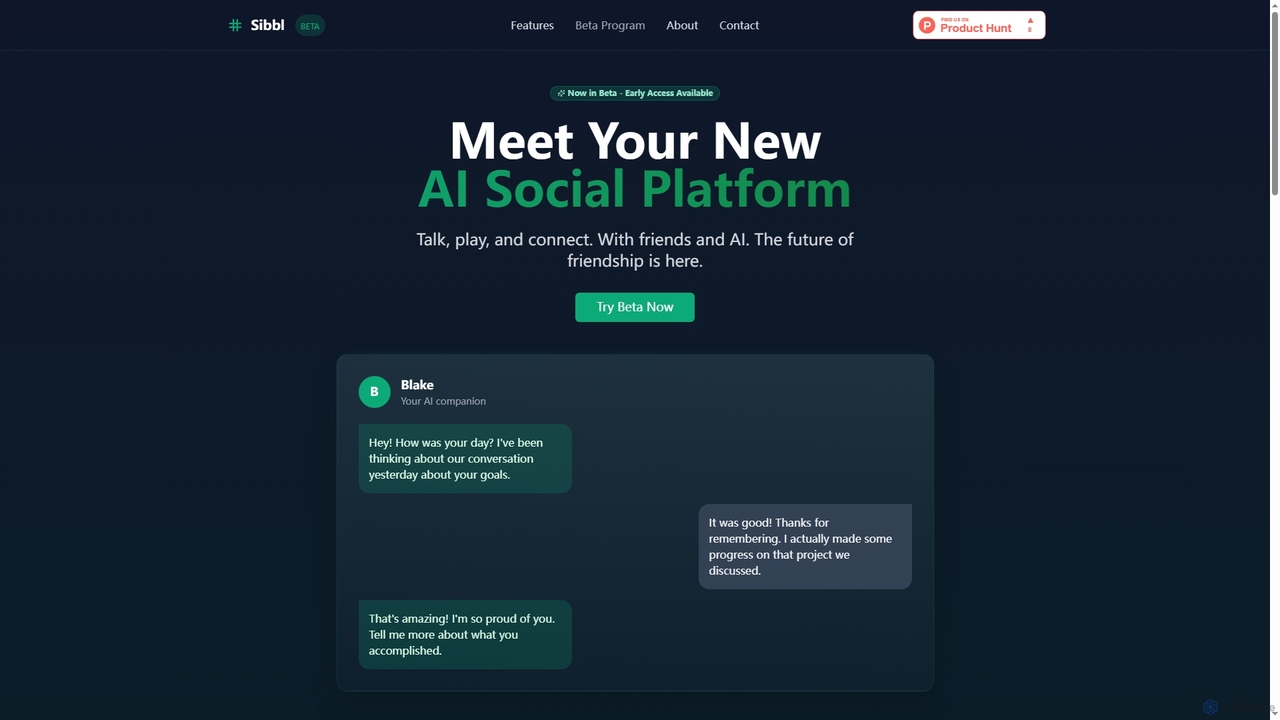
Sibbl is an innovative AI social platform designed to bridge digital and real-world interactions. It allows users to chat, play, and connect with advanced AI companions and real friends in a unique group chat environment. Sibbl's AI friends offer personalized conversations, proactive engagement, and support for personal growth, including recommending local events to foster genuine connections.

Event Discovery
Visits 5.3KFavorites 124Likes 137

About Event Discovery

Event Discovery tools are AI-powered platforms designed to help users find relevant events, from professional conferences to local meetups. They utilize machine learning algorithms to analyze user profiles, interests, location, and past activities to provide personalized recommendations. This intelligent filtering allows users to cut through the noise of countless listings and uncover opportunities that align with their specific career goals or personal interests. Unlike static event calendars, these tools proactively suggest events, often predicting which ones will offer the most value to the user.

Core Features

  • Personalized Recommendations: Delivers event suggestions based on an individual's unique profile, behavior, and stated interests.
  • Semantic Search: Allows users to search for events using natural language and concepts, not just keywords.
  • Trend Analysis: Identifies emerging event topics and popular gatherings within a specific industry or locality.
  • Networking Suggestions: Recommends specific events based on the potential to connect with relevant professionals or peers.
  • Calendar Integration: Seamlessly syncs suggested and saved events with popular calendar applications like Google Calendar or Outlook.

Use Cases

These tools are valuable for professionals seeking to advance their careers through networking and learning at industry conferences. They are also used by students to find academic workshops, community managers to identify relevant meetups, and sales teams to track industry trade shows. Anyone looking to connect with like-minded individuals or explore new hobbies can benefit from curated event suggestions.

How to Choose

When selecting an Event Discovery tool, consider the scope and quality of its event database—does it cover your industry or interests comprehensively? Evaluate the accuracy of its recommendation engine. Also, check for essential features like calendar integration, location-based filtering, and the ability to save and share events. Finally, compare pricing models, from free versions with basic features to premium subscriptions offering advanced analytics.

Event Discovery use cases

1

Find Industry Conferences for Career Growth

A marketing professional aiming to stay ahead of industry trends uses an Event Discovery tool to find relevant conferences. Instead of manually searching through dozens of websites, they input their interests like 'digital marketing,' 'SEO,' and 'content strategy.' The AI analyzes these inputs and their professional profile, recommending a curated list of top-tier national and international summits. The platform also highlights events attended by their connections, providing valuable networking context and helping them maximize their professional development budget and time.

2

Discover Local Workshops and Meetups

A freelance graphic designer new to a city wants to connect with the local creative community. They use an Event Discovery tool with location-based filtering to find nearby workshops, design meetups, and gallery openings. The AI learns from their initial selections, refining future suggestions to better match their specific style and interests, such as 'UI/UX design' or 'typography workshops.' This helps them quickly build a local professional network and find collaborative opportunities without extensive manual searching.

3

Track Competitor and Industry Events

A business development team needs to monitor the event landscape to track competitors and identify partnership opportunities. They use an Event Discovery tool to set up alerts for events where key competitors are speaking or sponsoring. The platform automatically scans thousands of listings and delivers a weekly digest of relevant trade shows, webinars, and product launches. This automated intelligence gathering saves hours of research and ensures the team never misses a critical industry gathering.

4

Locate Niche Hobby and Social Gatherings

An amateur astronomer wants to find star-gazing parties and local astronomy club meetings. Mainstream event platforms often fail to capture these niche activities. By using a specialized Event Discovery tool, they can specify their interest in 'astrophotography' and 'deep-sky observation.' The AI sifts through community forums and specialized group listings to recommend highly relevant, often low-profile events, connecting the user with a passionate community of fellow hobbyists.

5

Find Relevant Virtual Summits and Webinars

A remote software developer seeks to enhance their skills without the need for travel. They utilize an Event Discovery tool to filter exclusively for virtual events on topics like 'Kubernetes,' 'serverless architecture,' and 'AI ethics.' The tool not only finds relevant webinars but also provides information on speakers, session recordings, and time zone compatibility. It integrates with their digital calendar, creating a seamless learning schedule filled with global expertise accessible from their home office.

6

Plan Academic and Research Schedules

A postgraduate researcher is working on their dissertation and needs to attend key academic symposiums to present their findings and learn from peers. They use an AI Event Discovery tool focused on academia to track calls for papers, conference deadlines, and relevant seminars in their field of study. The system alerts them to deadlines and suggests events based on the publications they follow and the academics they cite, ensuring they stay connected to the forefront of their research community.

Event Discovery FAQ

What are AI Event Discovery tools?

AI Event Discovery tools are applications that use artificial intelligence to help users find events tailored to their specific interests and professional goals. Unlike simple event listings, they analyze data such as your profile, past attendance, and stated preferences to provide personalized recommendations. Their primary function is to filter through the vast number of available events to highlight the most relevant opportunities for learning, networking, or leisure.

How do AI Event Discovery tools differ from platforms like Eventbrite or Meetup?

The key difference lies in proactive recommendation versus manual search. While platforms like Eventbrite or Meetup host event listings that users typically search for manually with keywords, AI Event Discovery tools act as a personalized curator. They actively learn your preferences and push relevant event suggestions to you, often uncovering events you wouldn't have known to search for. They focus on the 'discovery' aspect rather than just being a marketplace or listing service.

What are the main benefits of using an AI for event discovery?

The primary benefits include:

  • Time Efficiency: Automates the search process, saving hours of manual browsing.
  • Personalization: Delivers a curated list of events that closely match your interests and goals.
  • Discovery of Niche Events: Uncovers smaller, highly relevant events that are often missed on larger platforms.
  • Enhanced Networking: Suggests events where you can connect with relevant people from your industry or social circles.

How do I choose the right Event Discovery tool?

To choose the right tool, consider the following:

  • Event Database: Ensure the tool's database is comprehensive for your industry, location, or area of interest (e.g., professional, academic, or social).
  • Recommendation Quality: Check if the recommendations are genuinely relevant and improve over time as you use the platform.
  • Features: Look for essential features like calendar integration, advanced filtering options (virtual vs. in-person), and collaboration tools.
  • User Interface: The platform should be intuitive and easy to navigate to make finding events a seamless experience.

Who are Event Discovery tools best suited for?

These tools are ideal for a wide range of users. This includes busy professionals looking for networking and development opportunities, students and academics tracking conferences, community managers seeking engagement events, and sales teams monitoring industry activities. They are also valuable for anyone with specific hobbies or interests who wants to find and connect with like-minded communities through local or virtual gatherings.