ToolMage
Sign in

Best 2 Fan Fiction AI tools for Community

Popular Fan Fiction AI tools in Community include nekomori and immersim, helping you work more efficiently.

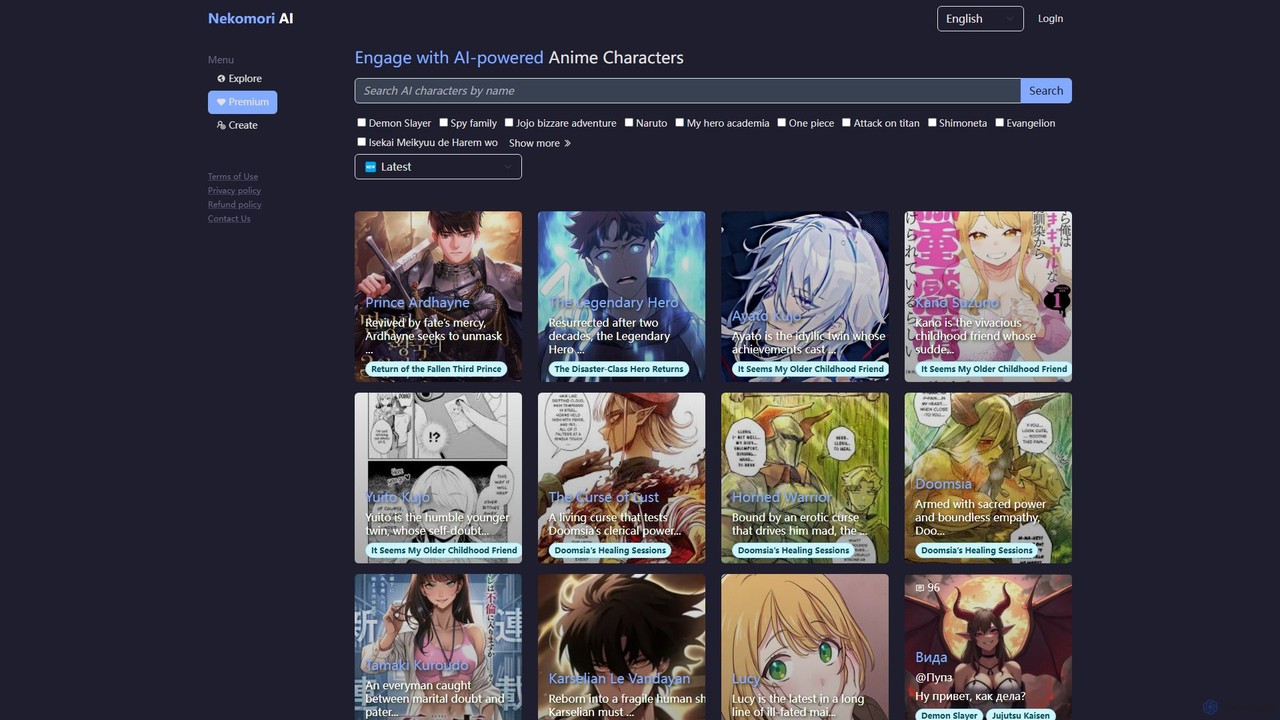
nekomori
Freemium

nekomori

Nekomori is an AI-powered chat platform that brings your favorite anime characters to life. Engage in immersive, dynamic conversations with a vast library of characters from popular series or create your own unique AI companion. It offers a personalized and supportive role-playing experience, allowing fans to explore new storylines and interact with characters in a deeply personal way.

Fan Fiction
Visits 6.3KFavorites 127Likes 139
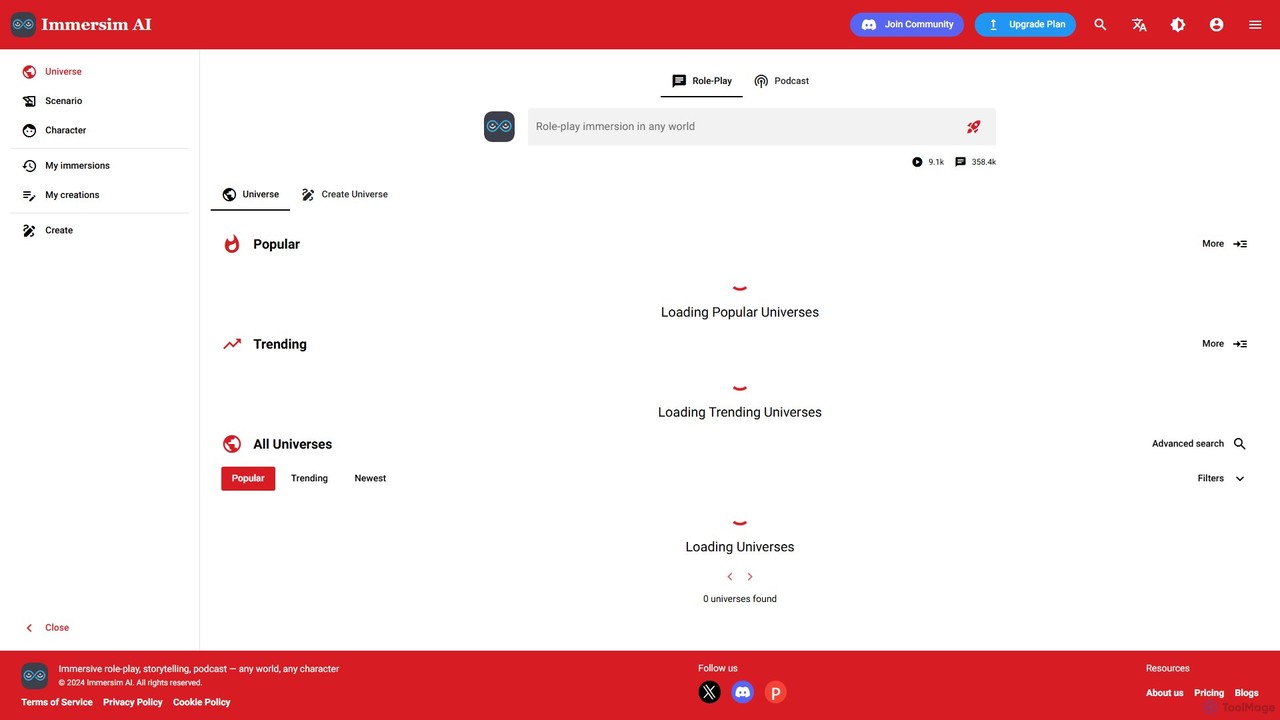
immersim
Freemium

immersim

Immersim is an AI-powered platform for creating and experiencing immersive role-playing and storytelling. Users can explore vast, community-created universes based on popular fiction or build their own unique worlds, characters, and scenarios from scratch. It leverages advanced AI models for dynamic, natural conversations and narrative generation, offering a highly interactive and creative experience.

Fan Fiction
Visits 5.7KFavorites 133Likes 134

About Fan Fiction

AI Fan Fiction tools are specialized platforms using generative AI to help writers create stories based on existing fictional universes. These tools leverage large language models (LLMs) trained on extensive literary and pop culture data to understand characters, settings, and plot conventions. They empower fans to explore "what if" scenarios, overcome writer's block, and produce new narratives featuring their favorite characters. Unlike general writing assistants, they possess specific knowledge of various fandoms, enabling more authentic and context-aware content generation.

Core Features

  • Universe-Aware Generation: Understands and incorporates specific lore, character traits, and settings from popular franchises.
  • Plot & Trope Suggestions: Provides ideas for common fan fiction plots, tropes (like AUs or soulmate marks), and story arcs.
  • Character Voice Emulation: Generates dialogue that attempts to mimic the speech patterns and personality of established characters.
  • Scene Expansion: Elaborates on a simple prompt to create a detailed scene with descriptive language and character actions.
  • Fan Art Creation: Some tools integrate image generation to create character portraits or cover art for stories.

Use Cases

These tools are primarily used by fan fiction authors, hobbyist writers, and members of online fandom communities. They are valuable for brainstorming new story ideas, co-writing with an AI partner to speed up the drafting process, or generating short story snippets for platforms like AO3, Tumblr, or Wattpad.

How to Choose

When selecting an AI Fan Fiction tool, consider its knowledge base of specific fandoms, the quality and coherence of its generated text, and its control over creative elements like tone and style. Also evaluate features for plot outlining, character consistency, and whether it offers image generation capabilities if you need visuals for your story.

Fan Fiction use cases

1

Overcoming Writer's Block for a Key Chapter

A fanfic author is stuck on a pivotal scene between two characters. They input the context and desired emotional tone into an AI tool. The tool generates three different dialogue variations, one of which sparks a new idea, allowing the author to break through their block and continue writing the chapter with renewed inspiration. This process turns hours of frustration into minutes of productive brainstorming.

2

Brainstorming an Alternate Universe (AU) Plot

A writer wants to create a "coffee shop AU" for a fantasy series. They use an AI tool to brainstorm how the characters' magical abilities and royal statuses would translate into a modern, mundane setting. The AI suggests new relationship dynamics, plot points related to rival coffee shops, and humorous scenarios, forming the complete outline for a new story that feels both fresh and true to the original characters.

3

Generating Character Art for a Story

To enhance their story on Archive of Our Own (AO3), an author uses an AI fan fiction tool with image generation. They provide detailed descriptions of a character's appearance and the specific outfit they wear in a chapter. The tool produces several high-quality character portraits, which the author embeds in their work to give readers a clear visual representation, increasing engagement and bringing the story to life.

4

Crafting Authentic-Sounding Dialogue

A writer struggles to capture the unique sarcastic wit of a specific character from a TV show. They feed the AI examples of the character's canon dialogue and a scene prompt. The AI then generates new lines that match the character's established voice, helping the author write more believable and in-character conversations. This is especially useful for maintaining consistency across a long-form story.

5

Expanding a Simple Idea into a Full Scene

An author has a simple idea: "Character A and Character B have a tense encounter in the rain." They input this into an AI tool, which expands it into a 500-word scene. The generated text includes detailed descriptions of the storm, the characters' non-verbal cues, and a compelling back-and-forth dialogue, providing a solid foundation for the author to edit, refine, and integrate into their chapter.

6

Creating Crossover Fan Fiction Scenarios

A fan wants to write a story where characters from a sci-fi universe meet characters from a historical drama. They use an AI tool to explore the initial culture shock and potential plot conflicts. The AI helps brainstorm how the advanced technology would be perceived and how the different character personalities would clash or align, setting the stage for a unique crossover narrative that respects both source materials.

Fan Fiction FAQ

What are AI Fan Fiction tools?

AI Fan Fiction tools are specialized writing assistants designed to help create stories set in existing fictional worlds. They use AI models trained on specific fandoms to generate plot ideas, character dialogue, and scene descriptions that are consistent with the source material. Unlike general AI writers, they have built-in knowledge of characters, lore, and common fan tropes, making them more effective for this niche creative task.

How do I choose the right AI Fan Fiction tool?

To choose the right tool, consider these factors:

  • Fandom Knowledge: Check if the tool specifically supports or has strong knowledge of the fandom you're writing for.
  • Output Quality: Test its ability to generate coherent plots and authentic-sounding character voices. Many offer free trials.
  • Creative Control: Look for features that allow you to guide the AI, such as setting the tone, point of view, or specific plot points.
  • Ease of Use: The interface should be intuitive, allowing you to focus on writing rather than navigating complex settings.
What's the difference between AI Fan Fiction tools and general AI writers?

The key difference is specialization. General AI writers like ChatGPT have broad knowledge but may not understand the specific nuances, character voices, or established lore of a particular fandom. AI Fan Fiction tools are fine-tuned on fan-created content and source material, allowing them to generate more contextually aware and authentic-sounding stories within that universe. They often include features specifically for tropes and plot structures common in fan fiction.

Can AI tools perfectly replicate a character's voice?

While advanced AI tools are skilled at emulating character voices, they may not achieve a perfect replication. They analyze patterns from source material to approximate speech style, vocabulary, and personality. However, the result is an interpretation and often requires editing by a human author to capture the subtle nuances and emotional depth of the character. They serve best as a powerful assistant rather than a complete replacement for the author's understanding.

Who are AI Fan Fiction tools for?

These tools are designed for fan fiction writers of all levels, from beginners looking for a starting point to experienced authors seeking to overcome writer's block or speed up their drafting process. They are also useful for role-players in fandom communities and anyone who wants to creatively explore their favorite fictional universes by generating "what if" scenarios or short story snippets for fun.