
Frontier Model Forum
The Frontier Model Forum is an industry-led non-profit organization dedicated to ensuring the safe and responsible development of …
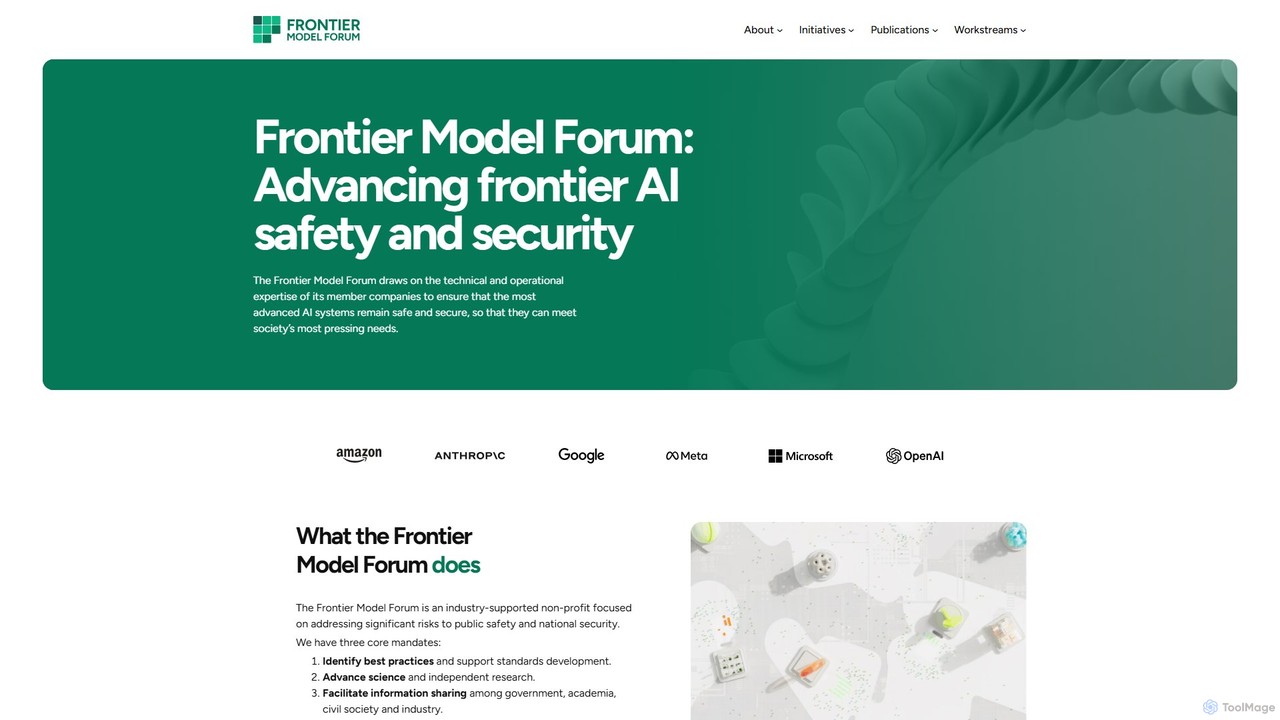
The Frontier Model Forum is an industry-led non-profit organization dedicated to ensuring the safe and responsible development of advanced AI systems. Founded by leading AI companies, it focuses on advancing AI safety research, identifying best practices for security, and facilitating collaboration among industry, government, academia, and civil society to mitigate risks and harness AI's benefits for humanity.
About Forums & Collaboration
Forums & Collaboration tools are AI-powered platforms for building online communities focused on structured discussion and interactive teamwork. They leverage artificial intelligence to automate moderation, summarize complex conversations, and enhance user engagement. These tools are crucial for creating self-sustaining knowledge bases, fostering customer support communities, and facilitating internal team collaboration by making information more accessible and discussions more productive. The integration of AI distinguishes them from traditional forums by actively improving content quality and user experience.
Core Features
- AI-Powered Moderation: Automatically detects and flags spam, toxic language, and off-topic content to maintain a healthy community environment.
- Intelligent Summarization: Generates concise summaries of long discussion threads, helping users quickly grasp key points without reading everything.
- Semantic Search: Allows users to find relevant information based on conversational context and intent, not just exact keywords.
- Automated Content Tagging: AI analyzes new posts and suggests relevant tags or categories, ensuring the forum remains organized and easy to navigate.
- Collaboration Integration: Seamlessly connects with project management tools and shared documents to turn discussions into actionable tasks.
Use Cases
These tools are widely used by software companies for developer communities, educational institutions for student collaboration platforms, and large enterprises for creating internal knowledge-sharing hubs. They are also ideal for brands building user feedback forums and for hobbyist groups that require structured, long-form discussions.
How to Choose
When selecting a tool, evaluate the sophistication of its AI moderation and summarization features. Consider its integration capabilities with your existing workflow tools like Slack, Jira, or Google Workspace. Assess the platform's scalability to support community growth, and review the analytics provided to measure engagement and community health.
Forums & CollaborationUse Cases
Streamlining Technical Support Communities
A software company's support team uses an AI-powered forum to manage customer inquiries. When a user posts a complex bug report, the AI automatically tags it with relevant product versions and modules. It also identifies and links to similar previously resolved issues, reducing duplicate efforts for support agents. Long threads detailing troubleshooting steps are automatically summarized, allowing new agents and users to quickly understand the issue's history and current status. This transforms the forum from a simple Q&A board into a dynamic, self-updating knowledge base.
Enhancing Online Learning Collaboration
An online course provider implements a collaboration forum for its students. Students discuss assignments, share resources, and form study groups. The platform's AI moderator works 24/7 to ensure all interactions are constructive and respectful. At the end of each week, the AI generates a summary of the most active and insightful discussion threads, which the instructor shares as a newsletter. This helps all students, including those less active, to stay informed about key learning points and common questions, fostering a more inclusive and effective learning environment.
Building an Internal Corporate Knowledge Base
A large enterprise deploys an internal forum to break down information silos between departments. Employees from marketing, engineering, and sales can ask questions and share expertise. The semantic search feature allows an employee to ask a question like "What was our Q3 marketing strategy for the European market?" and find relevant discussions, documents, and expert contacts, even if the exact phrasing isn't used. This creates a living repository of institutional knowledge that is far more dynamic and easier to navigate than a static wiki.
Managing Product Feedback and Ideation
A product management team uses a collaboration forum to gather feedback and ideas from their user base. The AI automatically categorizes incoming posts into buckets like "Bug Report," "Feature Request," or "General Feedback." It also analyzes sentiment to gauge user reactions to new announcements. The platform can identify trending topics and emerging feature requests, providing the product team with data-driven insights to prioritize their development roadmap effectively, ensuring they are building what customers truly want.
Coordinating Large-Scale Volunteer Projects
A non-profit organization uses a forum to coordinate volunteers for a nationwide environmental cleanup event. Organizers create threads for different regions and tasks (e.g., logistics, promotion, on-site management). The AI helps by tagging posts with relevant skills or locations, making it easy to find volunteers for specific roles. The collaborative features allow teams to co-edit planning documents and checklists directly within a discussion thread, ensuring everyone is working from the most current information and reducing reliance on scattered email chains.
Fostering an Active Hobbyist Community
The administrator of a large online gardening community uses an AI-enhanced forum to manage thousands of daily posts. The AI moderation tool automatically filters out spam and commercial promotions, saving the volunteer moderators hours of manual work. The automated tagging feature suggests labels like "pest control," "soil type," or "hydroponics" for new posts, helping members easily find topics of interest. This automation allows the community leaders to focus on creating engaging content and events rather than on tedious administrative tasks.