ToolMage
Sign in

Best 1 Friendship AI tools for Community

Popular Friendship AI tools in Community include Amewz, helping you work more efficiently.

Amewz
Freemium

Amewz

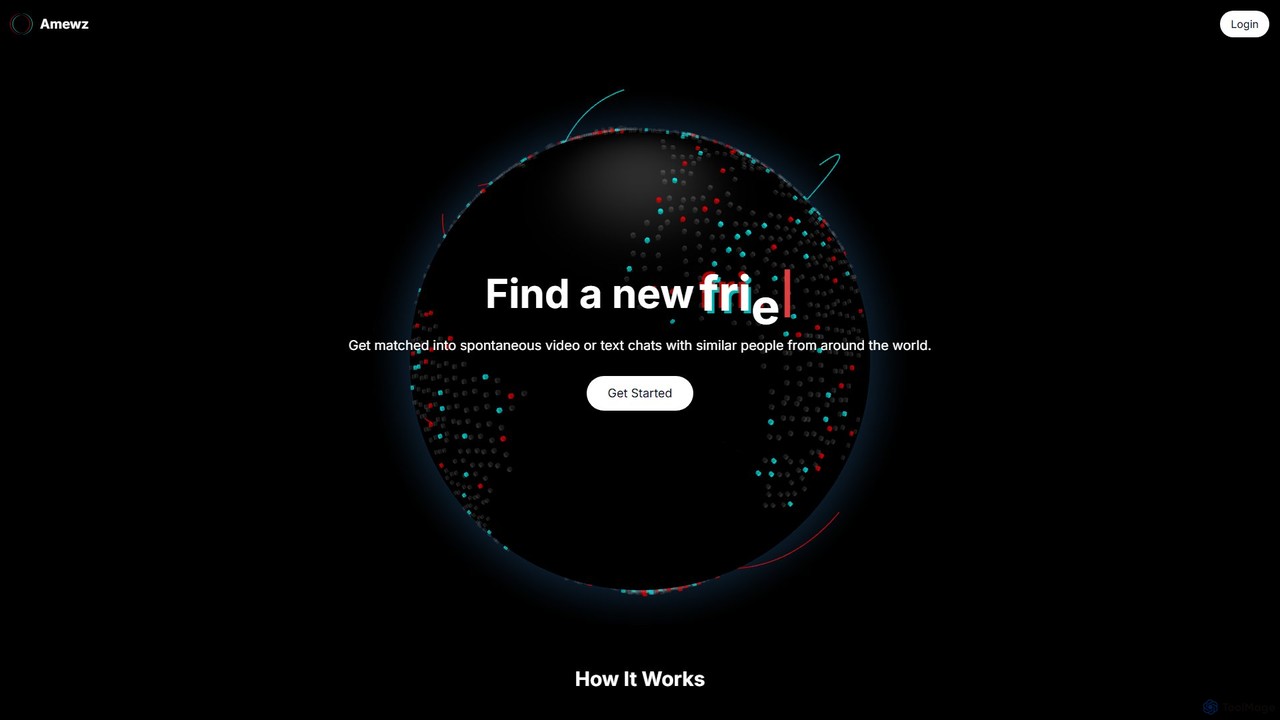
Amewz is an AI-powered platform for forging global connections. It uses an initial AI chat to understand your personality and creates a unique digital persona to match you with like-minded individuals worldwide for spontaneous video or text conversations, enhanced with interactive games.

Friendship
Visits 5.6KFavorites 149Likes 157

About Friendship

AI Friendship tools are a specialized category of community platforms that use algorithms to help individuals discover and build meaningful platonic connections. These tools analyze user profiles, interests, and interaction patterns to suggest compatible friends. They facilitate social bonding by providing conversation starters, organizing interest-based groups, and creating safe environments for communication. Unlike broader community management tools, their primary focus is on fostering one-on-one or small-group relationships rather than managing large online forums.

Core Features

  • Intelligent Matching: Uses AI to analyze compatibility based on hobbies, personality traits, location, and shared values.
  • Conversation Starters & Icebreakers: Generates personalized prompts and questions to help users initiate engaging conversations.
  • Interest-Based Groups: Recommends small, relevant communities or events centered around specific activities or topics.
  • Profile Verification & Safety: Implements safety features like photo verification and user reporting to build a trusted environment.
  • Activity Suggestions: Proposes local events or online activities for potential friends to do together.

Use Cases

These tools are ideal for individuals who have recently moved to a new city, people looking to expand their social circle, or anyone seeking connections based on niche hobbies like board games or urban exploration. They are also valuable for those who find it challenging to initiate conversations, as the AI-driven prompts can ease social interactions. Professionals may use them to find peers for casual networking and knowledge sharing outside of formal platforms.

How to Choose

When selecting an AI Friendship tool, consider the quality of its matching algorithm and the relevance of its suggestions. Evaluate the size and demographics of the user base to ensure it aligns with your goals. Prioritize platforms with robust safety features, including strong privacy controls and a clear moderation policy. Also, assess the communication features available, such as text chat, video calls, or integrated event planning, to find the one that best suits your interaction style.

Friendship use cases

1

Finding Friends After Relocating to a New City

For professionals or students moving to a new area, making local friends can be challenging. An AI Friendship tool helps by connecting them with nearby individuals who share similar professional backgrounds, hobbies, or life stages. A user can set their preferences for activities like hiking or visiting museums, and the AI will suggest potential friends and even local group events, significantly speeding up the process of building a new social support system.

2

Connecting Over Niche Hobbies and Interests

Individuals with specific, less common hobbies like competitive board gaming, vintage film photography, or urban exploration often struggle to find like-minded peers. AI Friendship tools excel at this by using detailed interest tagging and analysis. A user can list their niche interests, and the platform's algorithm will scan its user base to find a small, highly compatible group of people, facilitating connections that would be difficult to make through general social networks.

3

Overcoming Social Anxiety with Guided Interactions

For individuals who experience social anxiety or find it difficult to initiate conversations, AI Friendship tools can act as a social buffer. These platforms often provide AI-generated icebreakers and conversation prompts based on shared interests. This removes the pressure of crafting the perfect opening message. A user can select a suggested question like, "I see you're also a fan of Studio Ghibli films, which one is your favorite?" This guided approach helps build confidence and facilitates smoother, more natural initial interactions.

4

Finding Activity and Workout Partners

A common use case is finding a reliable partner for regular activities like going to the gym, running, or playing a sport. Users can specify their fitness level, preferred workout times, and location. The AI then matches them with others who have similar schedules and goals. This is more effective than general community forums as the matching is data-driven, increasing the likelihood of finding a consistent and compatible partner, which helps maintain motivation and accountability.

5

Building a Platonic Support Network for Parents

New parents often feel isolated and seek connection with others who understand their specific challenges. An AI Friendship tool can connect parents based on their children's ages, parenting philosophies, and local neighborhood. This allows them to form small, trusted support groups for sharing advice, organizing playdates, or simply having a conversation with someone in a similar situation. The AI's ability to filter by specific criteria makes it highly effective for creating these targeted support networks.

6

Facilitating Language and Cultural Exchange

Language learners can use AI Friendship tools to find native speakers for conversation practice. Unlike formal tutoring platforms, the focus here is on casual, friendly exchange. A user learning Japanese can be matched with a native Japanese speaker who wants to practice English. The AI can match them based on proficiency levels, shared interests outside of language, and time zone availability, creating a foundation for a genuine friendship alongside mutual language improvement.

Friendship FAQ

What are AI Friendship tools?

AI Friendship tools are applications or platforms designed specifically to help users form platonic, non-romantic friendships. They use artificial intelligence, particularly machine learning algorithms, to analyze user data like interests, personality traits, and location to suggest compatible friend matches. Their primary goal is to facilitate meaningful social connections by making it easier to find people with whom you are likely to get along.

How do AI Friendship tools differ from dating apps?

The primary difference lies in their intent and matching criteria. Dating apps are designed for romantic connections and often prioritize physical attraction and relationship goals. AI Friendship tools focus exclusively on platonic relationships. Their algorithms weigh factors like shared hobbies, personality compatibility, and common interests more heavily. The user interface and community features are also geared towards group activities and casual conversation rather than one-on-one courtship.

How to choose a suitable AI Friendship tool?

When choosing a tool, consider these factors:

  • User Base: Look for a platform with a large and active user base in your area and demographic.
  • Matching Quality: Check reviews or test the app to see if the friend suggestions are genuinely relevant to your interests.
  • Safety Features: Prioritize apps with robust profile verification, reporting systems, and clear privacy policies.
  • Focus and Niche: Some apps cater to specific communities (e.g., gamers, travelers, parents). Choose one that aligns with your identity or goals.
Are AI Friendship tools safe to use?

Safety varies by platform, but reputable tools prioritize user security. Common safety features include photo verification to prevent fake profiles, robust reporting and blocking mechanisms, and privacy settings that allow you to control who sees your information. It is always important for users to exercise caution, avoid sharing sensitive personal information too quickly, and meet in public places for the first time. Always review an app's safety guidelines and privacy policy before creating a profile.

What kind of information do AI Friendship tools use for matching?

These tools typically use a combination of explicitly provided and implicitly gathered data. Explicit data includes information you put in your profile, such as:

  • Hobbies and interests (e.g., reading, sports, music).
  • Personality traits (often from a questionnaire).
  • Demographics like age and location.

Implicit data can include your in-app behavior, such as the types of profiles you interact with or the events you join, which helps the algorithm refine its suggestions over time.