ToolMage
Sign in

Best 1 Review Platform for Community

Popular Review Platform in Community include Isitsafe.io, helping you work more efficiently.

Isitsafe.io
Free

Isitsafe.io

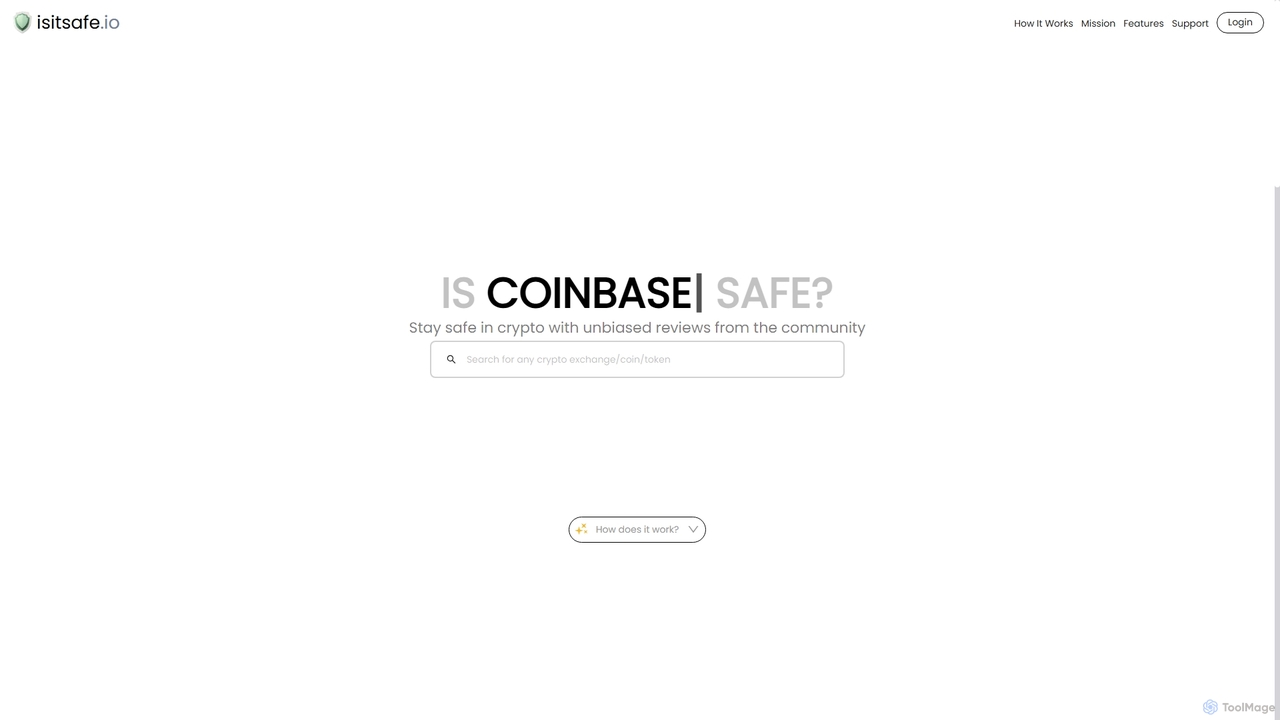
Isitsafe.io is a community-driven review platform for cryptocurrency products, utilizing AI to detect fake reviews and ensure authenticity. It aims to enhance trust and transparency in the Web3 space, helping users make informed decisions and companies receive genuine feedback.

Review Platform
Visits 5.6KFavorites 153Likes 163

About Review Platform

Review Platform tools are AI-powered solutions designed to collect, analyze, and manage user-generated feedback and ratings across various digital channels. These platforms leverage natural language processing (NLP) and sentiment analysis to extract meaningful insights from vast amounts of text reviews, providing businesses with a comprehensive understanding of customer sentiment and product performance. They empower organizations to monitor their online reputation, identify areas for improvement, and engage effectively with their customer base, fostering a stronger sense of community around their offerings.

Core Features

  • Automated Review Collection: Gathers reviews and ratings from multiple sources like e-commerce sites, social media, and app stores.
  • Sentiment Analysis: Uses AI to determine the emotional tone (positive, negative, neutral) and specific aspects of customer feedback.
  • Topic Extraction: Identifies recurring themes and common issues mentioned in reviews, highlighting key areas of concern or praise.
  • Reputation Monitoring: Tracks brand mentions and overall sentiment trends to provide real-time alerts on significant changes.
  • Response Management: Facilitates organized and timely responses to customer reviews, improving engagement and trust.

Applicable Scenarios

Review platforms are crucial for businesses in e-commerce, hospitality, software, and service industries. They enable product managers to refine features based on user feedback, marketing teams to understand brand perception, and customer service departments to address common issues proactively. These tools are essential for any organization aiming to build a strong online presence and customer-centric strategy within their community.

How to Choose

When selecting an AI review platform, consider its integration capabilities with existing CRM or e-commerce systems, the breadth of review sources it can monitor, and the accuracy of its sentiment analysis. Evaluate the depth of its reporting and analytics features, its scalability to handle growing review volumes, and the ease of use for your team. Also, assess its compliance with data privacy regulations and the level of customer support offered.

Review Platform use cases

1

Enhancing E-commerce Product Pages with AI-Driven Insights

An e-commerce manager utilizes a review platform to analyze customer feedback on new product launches. The AI identifies common complaints about a product's durability and positive comments on its design. This insight allows the product development team to prioritize material improvements and the marketing team to highlight design strengths in future campaigns, directly addressing customer needs and boosting sales.

2

Proactive Reputation Management for Hospitality Chains

A hotel chain's brand manager employs an AI review platform to monitor guest feedback across booking sites and social media. The platform flags negative reviews related to cleanliness in specific locations, enabling immediate intervention by local management. This proactive approach helps maintain high service standards and protects the brand's reputation by quickly resolving issues before they escalate.

3

Identifying Key Feature Requests for Software Development

A SaaS product team uses a review platform to aggregate user suggestions and bug reports from app stores and support forums. The AI automatically categorizes feedback, identifying the most frequently requested features and critical bugs. This data-driven approach informs the product roadmap, ensuring development efforts align with user needs and enhance the software's value.

4

Optimizing Customer Service Responses with Sentiment Analysis

A customer service team integrates a review platform to analyze incoming support tickets and public reviews. The platform's sentiment analysis helps agents quickly identify highly dissatisfied customers, allowing them to prioritize urgent cases and tailor empathetic responses. This improves resolution times and enhances overall customer satisfaction, turning negative experiences into positive ones.

5

Competitive Benchmarking and Market Trend Analysis

A marketing analyst uses a review platform to compare customer sentiment for their brand against key competitors. The AI highlights areas where competitors excel or fall short, such as pricing, features, or customer support. This intelligence helps the marketing team refine their messaging, identify market gaps, and develop strategies to gain a competitive edge.

6

Improving Event Experience Through Real-time Feedback

An event organizer deploys a review platform to collect and analyze attendee feedback during and after a large conference. Attendees submit comments via a dedicated portal, and the AI processes them in real-time to identify issues like long queues or popular session topics. This allows organizers to make immediate adjustments and plan future events more effectively based on direct participant input.

Review Platform FAQ

What are AI Review Platforms?

AI Review Platforms are specialized tools that use artificial intelligence, primarily natural language processing (NLP) and machine learning, to automate the collection, analysis, and management of customer reviews and feedback. They go beyond simple data aggregation by understanding the sentiment, topics, and key phrases within text, providing actionable insights into customer opinions and product performance. These platforms are crucial for businesses to understand their audience within the broader digital community.

How do AI Review Platforms differ from traditional feedback tools?

Traditional feedback tools often rely on manual data entry, surveys, or basic keyword searches, requiring significant human effort to interpret. AI Review Platforms, however, automate the entire process, using AI to understand context, sentiment, and emerging topics from unstructured text data at scale. This allows for deeper, faster insights and the ability to process vast amounts of unsolicited feedback from public sources, offering a more comprehensive view than structured survey data alone.

What are the key benefits of using an AI Review Platform for businesses?

Businesses benefit from AI Review Platforms in several ways: they gain deeper insights into customer sentiment and preferences, enabling data-driven product development and service improvements. They can proactively manage their online reputation by quickly identifying and responding to critical feedback. Furthermore, these platforms help in competitive analysis, identifying market trends, and fostering stronger customer relationships through improved engagement and understanding. Ultimately, they contribute to a more customer-centric business strategy.

What features should I look for in an AI Review Platform?

When choosing an AI Review Platform, prioritize features like comprehensive review source integration (e-commerce, social media, app stores), accurate sentiment analysis, and robust topic extraction capabilities. Look for real-time alerts, customizable dashboards for reporting, and efficient response management tools. Integration with your existing CRM or customer service software is also vital. Additionally, consider the platform's ability to handle multiple languages and its scalability to grow with your business needs.

Who typically uses AI Review Platforms?

AI Review Platforms are utilized by a wide range of professionals across various industries. This includes marketing managers for brand monitoring and campaign optimization, product managers for feature prioritization and quality assurance, customer service teams for issue resolution and sentiment tracking, and business owners for overall reputation management and strategic decision-making. Essentially, any role focused on understanding and improving customer experience and engagement within a digital community can benefit.