ToolMage
Sign in

Best 2 Tech Community AI tools for Community

Popular Tech Community AI tools in Community include Product Hunt and fullstackdeeplearning, helping you work more efficiently.

fullstackdeeplearning
Paid

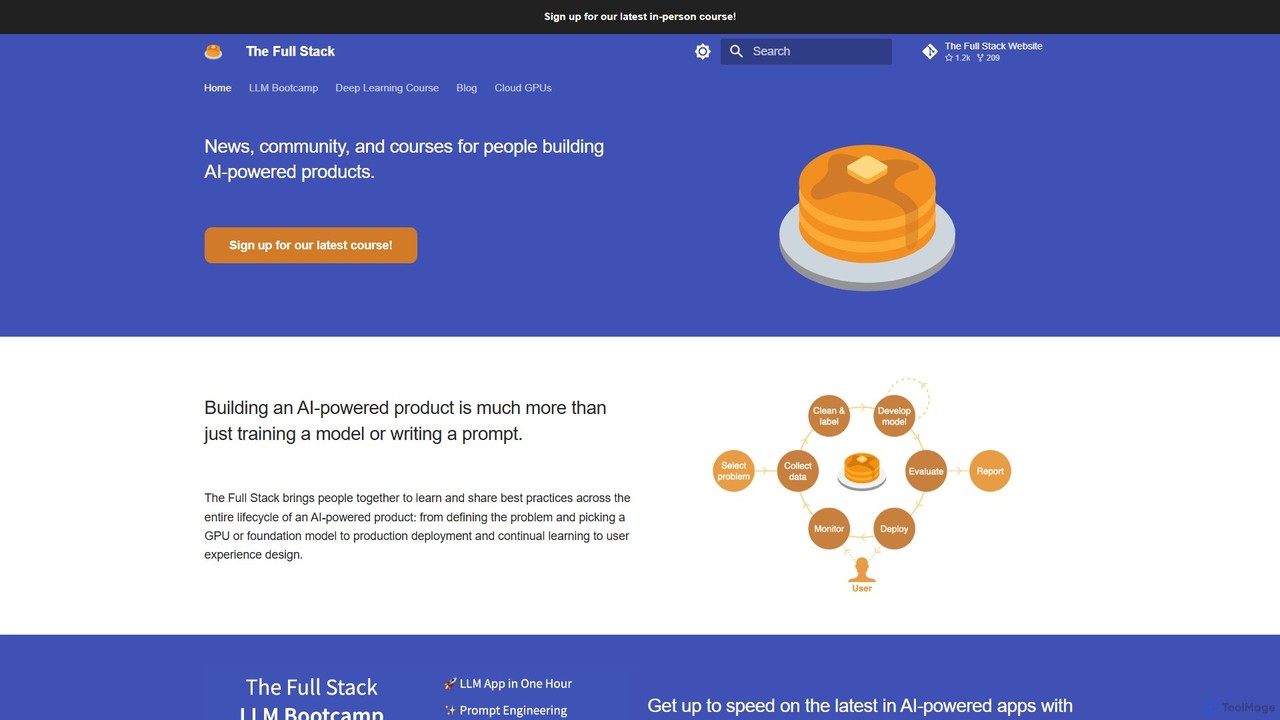
fullstackdeeplearning

An educational platform offering courses, community, and resources for professionals building real-world AI products. It covers the entire development lifecycle, from model training and MLOps to deployment and user experience design.

Tech Community
Visits 68.9KFavorites 77Likes 91
Product Hunt
Freemium

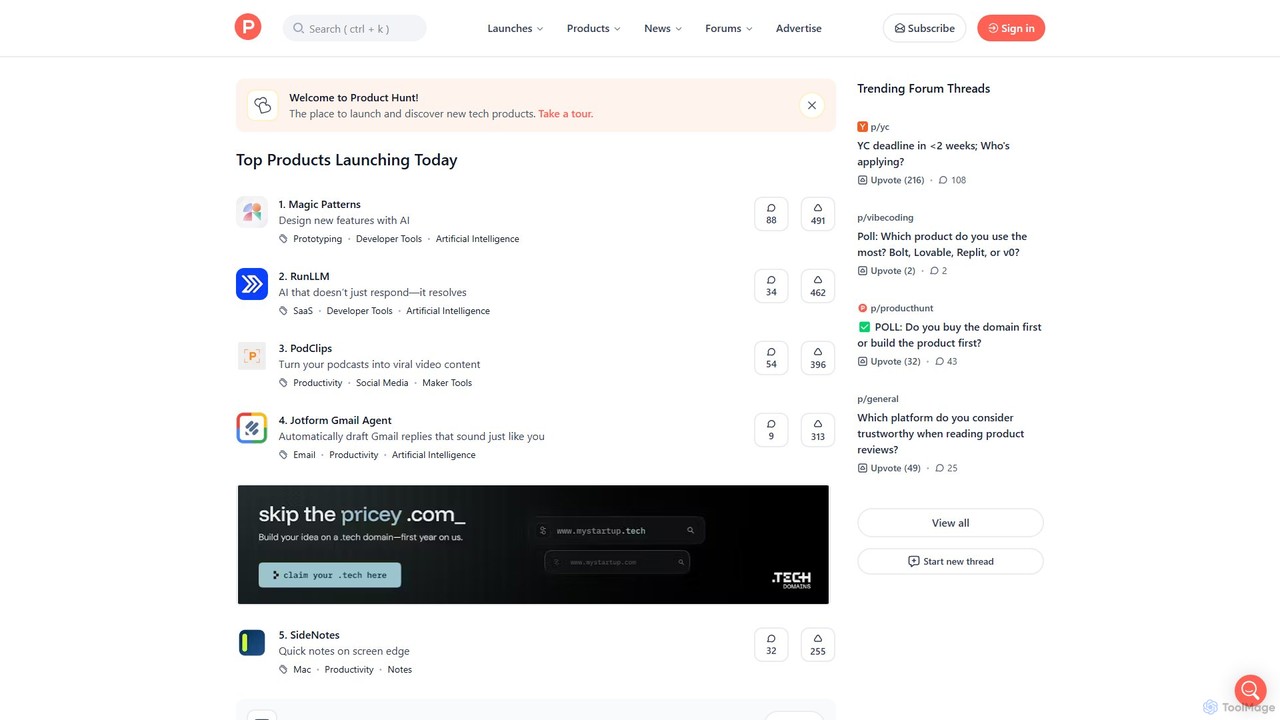
Product Hunt

Product Hunt is the premier platform for discovering and launching the latest technology products. It's a daily destination for tech enthusiasts, investors, and makers to explore new apps, websites, and AI tools, curated and ranked by a global community.

Tech Community
Visits 4.8MFavorites 99Likes 105

About Tech Community

Tech Community tools are specialized platforms designed to connect individuals with shared interests in technology, fostering collaboration, knowledge exchange, and networking. These platforms leverage advanced communication features and structured content organization to facilitate discussions on programming, software development, hardware, AI, and emerging technologies. They serve as vital hubs for developers, engineers, researchers, and tech enthusiasts to seek technical support, share insights, and collectively advance their understanding and skills within specific technological domains, distinguishing them from general online communities by their deep technical focus.

Core Features

  • Specialized Forums & Q&A: Dedicated sections for in-depth technical discussions, problem-solving, and expert advice on specific tech topics.
  • Code Sharing & Collaboration: Integrated tools for sharing code snippets, reviewing projects, and collaborating on open-source initiatives.
  • Knowledge Base & Documentation: Curated repositories of tutorials, guides, and technical documentation contributed by community members.
  • Event & Meetup Management: Features to organize, promote, and manage tech-related workshops, webinars, and local meetups.
  • Member Directory & Networking: Profiles allowing users to connect with peers, mentors, and potential collaborators based on skills and interests.

Use Cases

Tech Community tools are indispensable for fostering innovation and learning. Developers use them to troubleshoot complex coding issues, share best practices, and contribute to open-source projects. Tech enthusiasts leverage these platforms to stay updated on industry trends, learn new skills, and connect with like-minded individuals. Companies also utilize them to build a loyal user base, gather product feedback, and provide peer-to-peer support for their technical offerings.

How to Choose

When selecting a Tech Community tool, consider its primary focus and niche to ensure alignment with your interests or project needs. Evaluate the platform's moderation policies and activity levels to gauge the quality and responsiveness of discussions. Look for robust features like code syntax highlighting, integrated development environment (IDE) support, and comprehensive search capabilities. Finally, assess the ease of content contribution and the overall user experience to ensure it promotes active and valuable engagement.

Featured tool rankings

Tech Community use cases

1

Collaborating on Open Source Software Development

Software developers utilize Tech Community platforms to contribute to open-source projects. They can share code, participate in pull request reviews, discuss feature enhancements, and collectively debug issues. This fosters a collaborative environment where diverse expertise converges to build robust software, accelerating development cycles and improving code quality through peer feedback and shared knowledge.

2

Seeking Solutions for Complex Technical Challenges

Engineers and programmers facing intricate coding problems or system architecture dilemmas turn to Tech Communities for expert assistance. By posting detailed questions with code examples or system logs, they receive targeted advice, alternative approaches, and debugging tips from experienced peers. This significantly reduces troubleshooting time and helps individuals overcome blockers that might be difficult to solve independently.

3

Learning New Programming Languages and Frameworks

Aspiring developers and seasoned professionals use Tech Communities to deepen their understanding of new technologies. They engage in discussions, follow tutorials shared by experts, and ask clarifying questions about concepts or implementation details. This peer-driven learning environment provides practical insights and real-world examples that complement formal education, accelerating skill acquisition and career growth.

4

Networking with Industry Professionals and Mentors

Tech professionals leverage these communities to expand their professional network, connect with thought leaders, and find mentors. Through active participation in discussions and events, members can build relationships, discover career opportunities, and gain insights into industry trends. This facilitates personal and professional growth, opening doors to collaborations and advancements within the tech ecosystem.

5

Gathering Early Feedback for New Tech Products

Startups and established companies engage their Tech Community to solicit early feedback on beta versions of software, APIs, or hardware. Community members provide valuable insights on usability, identify bugs, and suggest feature improvements. This direct interaction ensures that products are developed in alignment with user needs, leading to more robust and user-friendly solutions before public launch.

6

Organizing and Attending Tech Meetups and Workshops

Community organizers use Tech Community tools to plan, promote, and manage local or virtual tech events, such as coding workshops, hackathons, or industry meetups. Members can easily discover relevant events, register, and interact with speakers and attendees. This strengthens local tech ecosystems, facilitates in-person knowledge exchange, and builds stronger bonds among professionals.

Tech Community FAQ

What are Tech Community platforms?

Tech Community platforms are online spaces specifically designed for individuals with a shared interest in technology to connect, collaborate, and exchange knowledge. Unlike general social media, they focus on technical discussions, problem-solving, and peer learning across various tech domains like programming, AI, cybersecurity, and hardware. They serve as vital resources for technical support, skill development, and professional networking within the tech industry.

What are the main benefits of joining a Tech Community?

Joining a Tech Community offers numerous benefits, including access to expert knowledge for troubleshooting technical issues, opportunities for continuous learning through shared tutorials and discussions, and networking with peers and mentors. Members can also contribute to open-source projects, stay updated on industry trends, and receive early feedback on their own projects. It fosters a sense of belonging and collective growth among tech enthusiasts and professionals.

How do Tech Communities differ from general online communities?

Tech Communities are distinguished by their deep focus on technical subjects, specific problem-solving, and professional development within the technology sector. While general online communities might cover a broad range of interests, Tech Communities provide specialized forums for coding, software architecture, hardware design, and AI research. They often feature tools like code sharing, technical Q&A formats, and curated knowledge bases, catering to a highly specific and technically proficient audience.

How can I effectively engage in a Tech Community?

To effectively engage in a Tech Community, start by actively participating in discussions, asking well-researched questions, and offering helpful answers when you have expertise. Share your knowledge through tutorials or code snippets, and attend virtual or local meetups. Being respectful, constructive, and open to feedback will help you build a positive reputation, expand your network, and maximize your learning and contribution opportunities within the community.

What should I consider when choosing a Tech Community to join?

When choosing a Tech Community, consider its primary focus and whether it aligns with your specific technical interests or career goals. Evaluate the community's activity level and the quality of discussions, looking for active moderation and respectful interactions. Check for resources like knowledge bases, event listings, and networking features. Also, consider the platform's user-friendliness and whether it supports the tools or formats (e.g., code sharing) relevant to your needs.