ToolMage
Sign in

Best 1 Animation AI tools for Content Creation

Popular Animation AI tools in Content Creation include Sora2 AI, helping you work more efficiently.

Sora2 AI
Paid

Sora2 AI

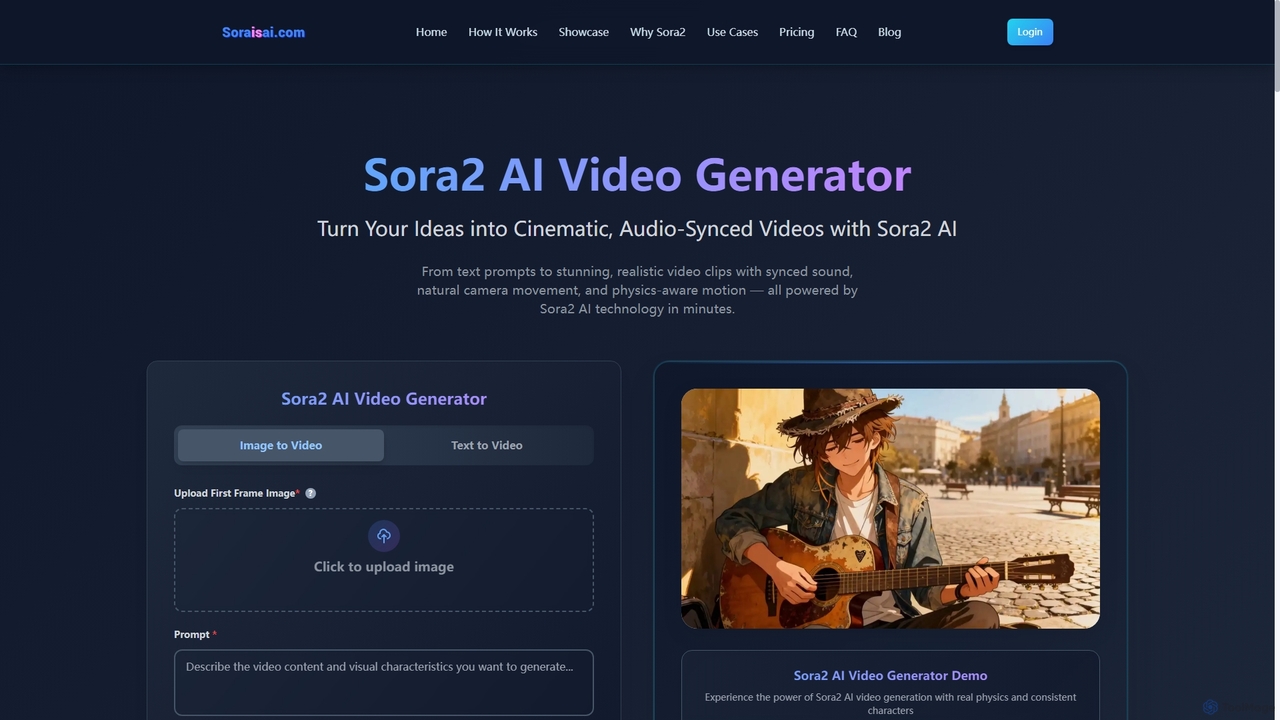
Sora2 AI is a next-generation AI video generator that transforms text prompts and images into cinematic, realistic video clips with synchronized audio, natural camera movement, and physics-aware motion. It offers rapid video production for diverse applications, from marketing to social media content.

Animation
Visits 6.3KFavorites 114Likes 100

About Animation

AI animation tools are a specialized category within content creation, leveraging artificial intelligence to streamline and enhance the animation production process. These tools utilize machine learning and computer vision to automate tasks like character rigging, motion generation, lip-syncing, and scene creation. They empower creators to produce high-quality animated content more efficiently, opening new possibilities for storytelling and visual communication.

Core Features

  • Automated Rigging: Automatically creates skeletal structures for 2D and 3D characters, simplifying the setup for animation.
  • Motion Generation: Generates realistic or stylized character movements from text prompts, audio, or basic sketches.
  • Lip-Syncing: Synchronizes character mouth movements precisely with spoken dialogue, enhancing realism and saving manual effort.
  • Scene & Asset Generation: Creates backgrounds, objects, or environmental elements, accelerating the visual development process.
  • Style Transfer: Applies specific animation styles or visual aesthetics to existing footage or models, offering creative flexibility.

Applicable Scenarios

AI animation tools are invaluable for game developers needing rapid character animation, marketing teams creating engaging explainer videos, and educators transforming static lessons into dynamic content. They also assist film pre-visualization and social media content creation, where speed and visual appeal are crucial.

How to Choose

When selecting an AI animation tool, consider the type of animation (2D/3D) you require, the specific features offered (e.g., rigging, motion capture integration), and its ease of use for your skill level. Evaluate output quality, integration capabilities with existing software, and the pricing model to ensure it aligns with your project needs and budget.

Featured tool rankings

Animation use cases

1

Streamlining Character Animation for Game Development

Game developers use AI animation tools to quickly generate diverse character walk cycles, idle animations, and combat moves from simple text prompts or motion capture data. This significantly reduces the manual animation workload, allowing for faster prototyping and iteration of game mechanics and character interactions, ultimately accelerating game production timelines.

2

Creating Explainer Videos for Marketing Campaigns

Marketing teams leverage AI animation platforms to produce engaging explainer videos for products or services without extensive animation skills. By inputting scripts and selecting visual styles, they can generate animated sequences with voiceovers, character actions, and scene transitions, accelerating content production for campaigns and boosting audience engagement.

3

Automating Lip-Sync for Dubbing and Localization

Production studios utilize AI tools to automatically synchronize character lip movements with translated audio tracks for international releases. This ensures natural-looking dialogue in multiple languages, saving countless hours of manual adjustment and improving the viewer experience in localized content, making global distribution more efficient.

4

Generating Animated Social Media Content

Social media managers employ AI animation generators to create short, eye-catching animated clips for platforms like TikTok, Instagram Reels, and YouTube Shorts. These tools enable rapid production of trending content, dynamic text animations, and animated infographics, boosting engagement and brand visibility with minimal design effort.

5

Pre-visualization for Film and TV Production

Filmmakers and animators use AI animation to quickly visualize complex scenes, camera movements, and character blocking during pre-production. This allows for rapid iteration of storyboards and animatics, helping to refine creative decisions and identify potential issues before full-scale production begins, saving significant time and resources.

6

Educational Content Creation for E-learning

Educators and instructional designers use AI animation to transform static learning materials into dynamic, engaging animated lessons. They can animate diagrams, create virtual tutors, or illustrate complex concepts with motion graphics, making educational content more accessible and interactive for students, thereby improving learning outcomes.

Animation FAQ

What are AI animation tools?

AI animation tools are software applications that use artificial intelligence, primarily machine learning and computer vision, to automate or assist various stages of the animation production pipeline. They can generate character movements, synchronize lip-sync, create 3D models, or even produce entire animated scenes from simple inputs, significantly speeding up the creative process and making animation more accessible.

How do AI animation tools differ from traditional animation software?

Traditional animation software requires extensive manual input and skill for every frame and movement. AI animation tools, however, automate repetitive or complex tasks, such as rigging, motion generation, and lip-syncing, often from text prompts, audio, or basic sketches. While traditional tools offer granular control, AI tools prioritize speed and accessibility, making animation creation faster and more accessible to a wider range of creators.

What are the main benefits of using AI for animation?

The primary benefits include significant time and cost savings by automating labor-intensive tasks like rigging and keyframing. AI animation also lowers the barrier to entry for non-animators, enabling more people to create animated content. It allows for rapid prototyping, quick generation of variations, and can enhance realism or consistency in character movements and expressions, boosting overall production efficiency.

What types of animation can AI tools create?

AI animation tools are versatile and can assist in creating various types of animation, including 2D character animation, 3D character animation, motion graphics, stop-motion effects, and even realistic digital humans. They can generate everything from simple GIFs for social media to complex scenes for film pre-visualization or game assets, depending on the tool's specific capabilities and the user's input.

What should I consider when choosing an AI animation tool?

When selecting an AI animation tool, consider the specific type of animation you need (2D or 3D), the complexity of your projects, and your existing skill level. Evaluate its core features like automated rigging, motion generation capabilities, and lip-sync accuracy. Also, check for integration with other software, output quality, pricing models, and the availability of pre-built assets or templates to match your workflow and budget.