ToolMage
Sign in

Best 2 Audience Engagement AI tools for Content Creation

Popular Audience Engagement AI tools in Content Creation include Botly and Ytpicker, helping you work more efficiently.

Ytpicker
Free

Ytpicker

Ytpicker is a powerful, free, and AI-driven YouTube Comment Picker tool designed to make giveaways, contests, and comment-based selections effortless, fair, and transparent. It leverages advanced AI and blockchain technology to ensure unbiased winner selection without requiring any login, signup, or payment.

Audience Engagement
Visits 5.6KFavorites 154Likes 148
Botly
Freemium

Botly

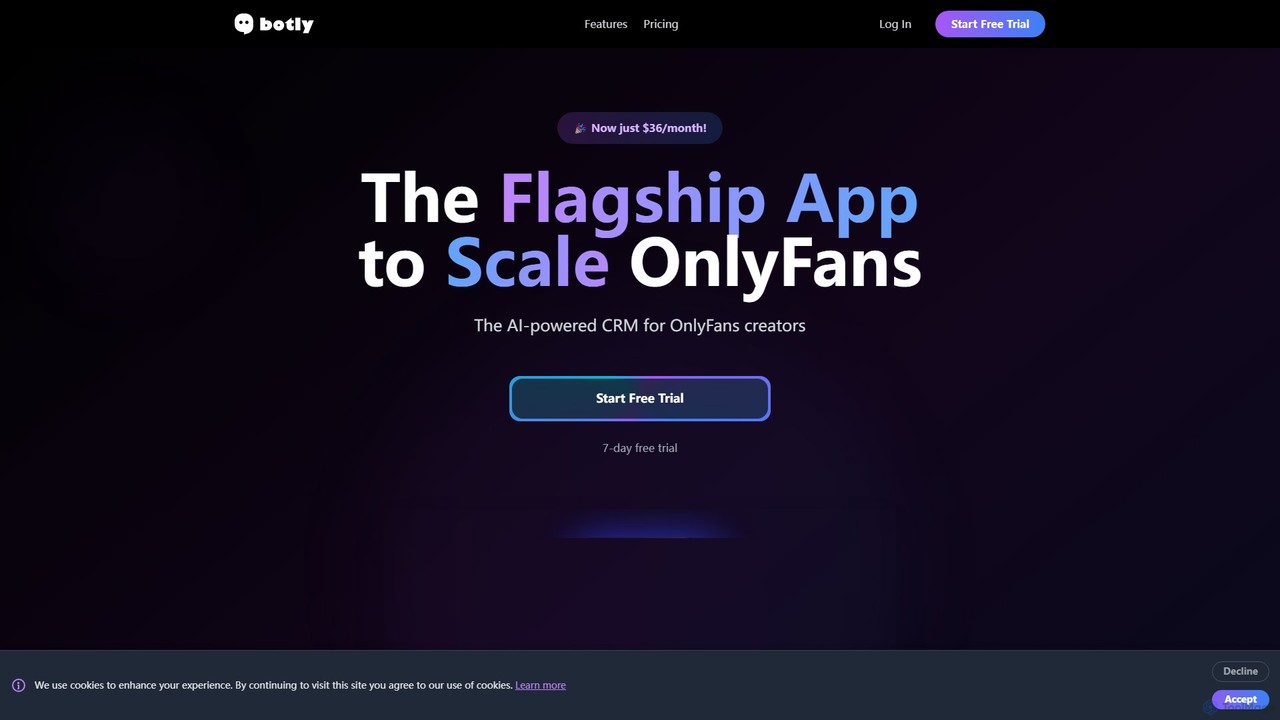
Botly is an AI-powered CRM and chatbot designed specifically for OnlyFans creators. It helps scale your business by providing AI-suggested personalized messages, in-depth fan analytics, and a unique mobile-first interface. Manage fan relationships, track spending patterns, and increase your earnings efficiently, all from your phone. Botly learns your communication style to ensure authentic interactions and supports multiple languages to connect with a global audience.

Audience Engagement
Visits 5.9KFavorites 144Likes 146

About Audience Engagement

AI Audience Engagement tools are a class of software designed to foster dynamic interaction and build community around digital content. They leverage artificial intelligence, particularly natural language processing (NLP), to analyze audience comments, automate interactive elements like polls and Q&As, and personalize user experiences in real-time. By transforming passive consumption into active participation, these tools help creators and brands increase user retention, gather valuable feedback, and cultivate a loyal following. They are a crucial component of the content creation lifecycle, focusing specifically on the post-publication relationship with the audience.

Core Features

  • Interactive Elements: Automatically generate and manage polls, quizzes, and live Q&A sessions to actively involve the audience.
  • AI-Powered Moderation: Filter spam, detect negative sentiment, and highlight insightful comments to maintain a healthy community environment.
  • Real-time Analytics: Provide data on audience sentiment, engagement hotspots, and key topics of discussion during live events or on-demand content.
  • Gamification & Rewards: Implement systems like points, leaderboards, and automated rewards to encourage sustained participation.
  • Personalized Responses: Use AI to generate context-aware replies to common questions, ensuring the audience feels heard and valued.

Use Cases

These tools are widely used by live streamers on platforms like Twitch and YouTube to make their broadcasts more interactive. Online educators and course creators use them to increase student participation in virtual classrooms. Additionally, brand community managers leverage them to moderate forums, run contests, and stimulate conversations on social media platforms.

How to Choose

When selecting an AI Audience Engagement tool, consider its integration capabilities with your primary platforms (e.g., streaming software, social media channels). Evaluate the sophistication of its AI moderation and analytics features. Also, assess its scalability for handling different audience sizes and the level of customization available for interactive elements to match your brand's identity.

Audience Engagement use cases

1

Enhancing Live Stream Interactivity

A video game streamer on Twitch uses an AI audience engagement tool to make their broadcasts more dynamic. The tool automatically scans the live chat for questions, displaying them on-screen for the streamer to answer. It also allows the streamer to launch real-time polls, such as 'Which game should I play next?', with results shown live. For new subscribers or donations, the tool triggers custom on-screen alerts and thank-you messages, creating a more engaging and rewarding experience that encourages viewers to participate and support the channel.

2

Automating Webinar Engagement and Feedback

A marketing manager hosting a product webinar uses an AI tool to manage audience interaction. The tool automatically moderates the Q&A section by filtering out irrelevant questions and grouping similar ones. During the presentation, it can launch pre-scheduled polls to gauge audience understanding. After the webinar, the AI analyzes chat transcripts to generate a sentiment analysis report and identify the most frequently asked questions, providing actionable insights for follow-up communications and future webinar topics without manual effort.

3

Building an Online Course Community

An online educator uses an AI engagement tool integrated into their course platform. The tool gamifies the learning experience by awarding points and badges for completing modules and participating in discussions. It also hosts a weekly automated quiz based on the week's lessons, with a public leaderboard to foster friendly competition. The AI can identify students who are falling behind in participation and send them automated, encouraging check-in messages, helping to improve course completion rates and build a supportive learning community.

4

Running Social Media Contests and Giveaways

A social media manager for an e-commerce brand uses an AI tool to run a giveaway on Instagram. The tool automatically tracks entries based on specific criteria, such as liking the post, commenting with a specific hashtag, and tagging friends. It uses AI to filter out spam or bot accounts to ensure fairness. At the end of the contest period, the tool randomly selects a winner from the pool of valid entries and can even auto-generate a direct message to notify them. This automates a time-consuming process, increases post engagement, and grows the brand's follower base.

5

Moderating Large Online Communities

A community manager for a large online forum or Discord server employs an AI moderation tool to maintain a positive environment. The tool operates 24/7, automatically detecting and removing spam, hate speech, and inappropriate content based on pre-defined rules and NLP analysis. It can also identify emerging conflicts between users by analyzing sentiment and tone, alerting human moderators to intervene proactively. This allows a small moderation team to effectively manage a large community, reducing moderator burnout and improving the overall user experience.

6

Gathering Real-time Audience Feedback

During a virtual town hall meeting, a corporate communications team uses an AI engagement platform to collect employee feedback. As executives speak, employees can submit questions and upvote others' submissions. The AI tool categorizes questions by topic in real-time and performs sentiment analysis on the live chat to gauge overall mood. This allows the moderator to prioritize the most popular and relevant questions and address areas of concern immediately, making the event more responsive and transparent for all attendees.

Audience Engagement FAQ

What are AI Audience Engagement tools?

AI Audience Engagement tools are software applications that use artificial intelligence to create interactive experiences and manage communication between content creators and their audience. They go beyond simple content creation by focusing on fostering a community. Key features often include automated moderation of comments, real-time polls and quizzes, sentiment analysis of audience feedback, and gamification elements like leaderboards to encourage participation.

How do I choose the right Audience Engagement tool?

To choose the right tool, consider these factors:

  • Platform Integration: Ensure the tool integrates seamlessly with the platforms you use, such as YouTube, Twitch, Zoom, or social media channels.
  • Feature Set: Determine if you need basic polls and Q&A, or more advanced features like AI moderation, sentiment analysis, and gamification.
  • Audience Size: Select a tool that can scale to handle your typical and peak audience numbers without performance issues.
  • Ease of Use: Look for a tool with an intuitive interface for both you (the host) and your audience to ensure smooth operation during live events.
What's the difference between Audience Engagement and Social Media Management tools?

The primary difference lies in their focus. Social Media Management tools are designed for content scheduling, publishing, and monitoring brand mentions across multiple platforms. Their main goal is efficient content distribution. In contrast, AI Audience Engagement tools focus on real-time, dynamic interaction within a specific piece of content or live event. They are built to actively involve the audience through features like live polls, moderated Q&As, and gamification, aiming to build a community rather than just broadcast a message.

What key features should I look for in an Audience Engagement tool?

Look for a combination of interactive, analytical, and moderation features. Key features include:

  • Live Polling and Q&A: The ability to ask questions and gather responses from your audience in real-time.
  • AI-Powered Chat Moderation: Automatically filters spam and harmful comments to keep the conversation productive.
  • Sentiment Analysis: Provides insights into the overall mood and reaction of your audience.
  • Gamification: Features like points, badges, and leaderboards can significantly boost long-term engagement.
  • Customization: The ability to brand interactive elements with your own logos and colors to maintain a consistent look and feel.
Who can benefit most from using AI Audience Engagement tools?

A wide range of users can benefit, but they are particularly valuable for:

  • Live Streamers: To make broadcasts on platforms like Twitch and YouTube more interactive and manage large volumes of chat messages.
  • Online Educators and Trainers: To increase student participation, conduct quizzes, and foster a sense of community in virtual classrooms.
  • Brand and Community Managers: To moderate forums, run engaging social media campaigns, and gather customer feedback efficiently.
  • Event Organizers: For managing Q&A sessions and gathering real-time feedback during virtual or hybrid events.