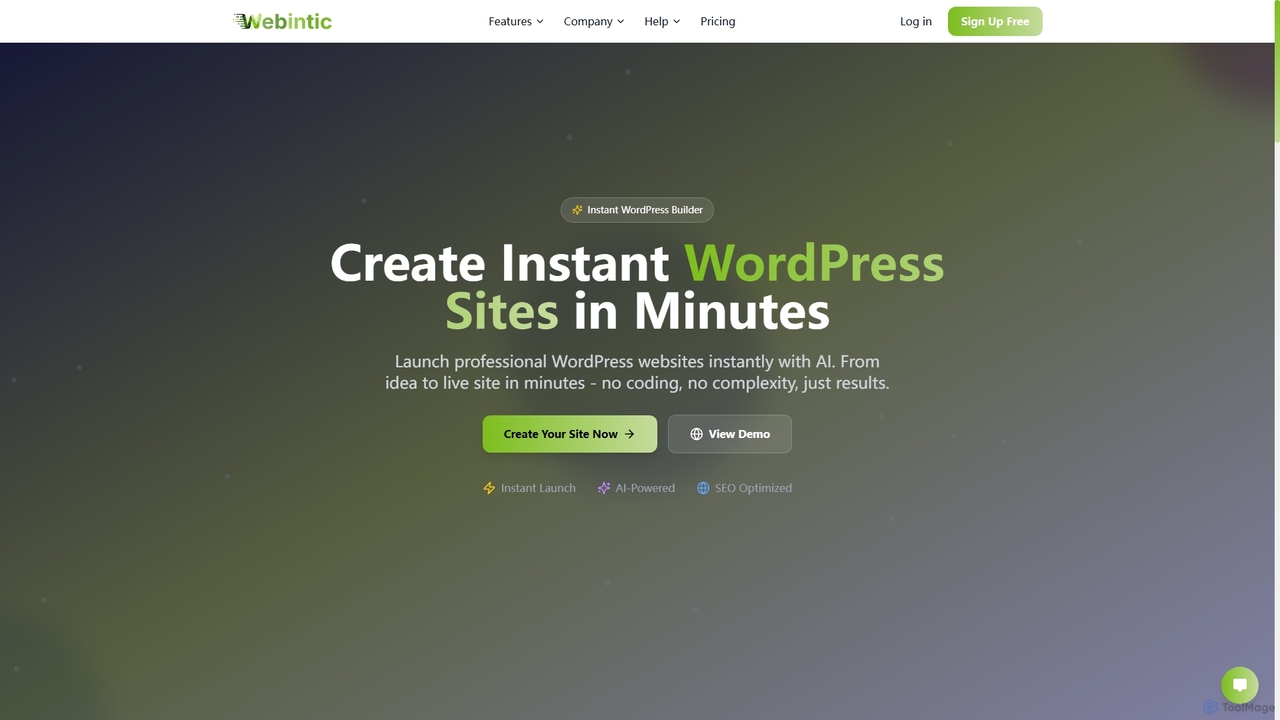
Webintic
Webintic is an AI-powered WordPress website builder that enables users to create professional, SEO-optimized websites in minutes without …
Webintic is an AI-powered WordPress website builder that enables users to create professional, SEO-optimized websites in minutes without any coding. It streamlines the entire web development process from concept to launch, offering intelligent design, automated content, and robust hosting.
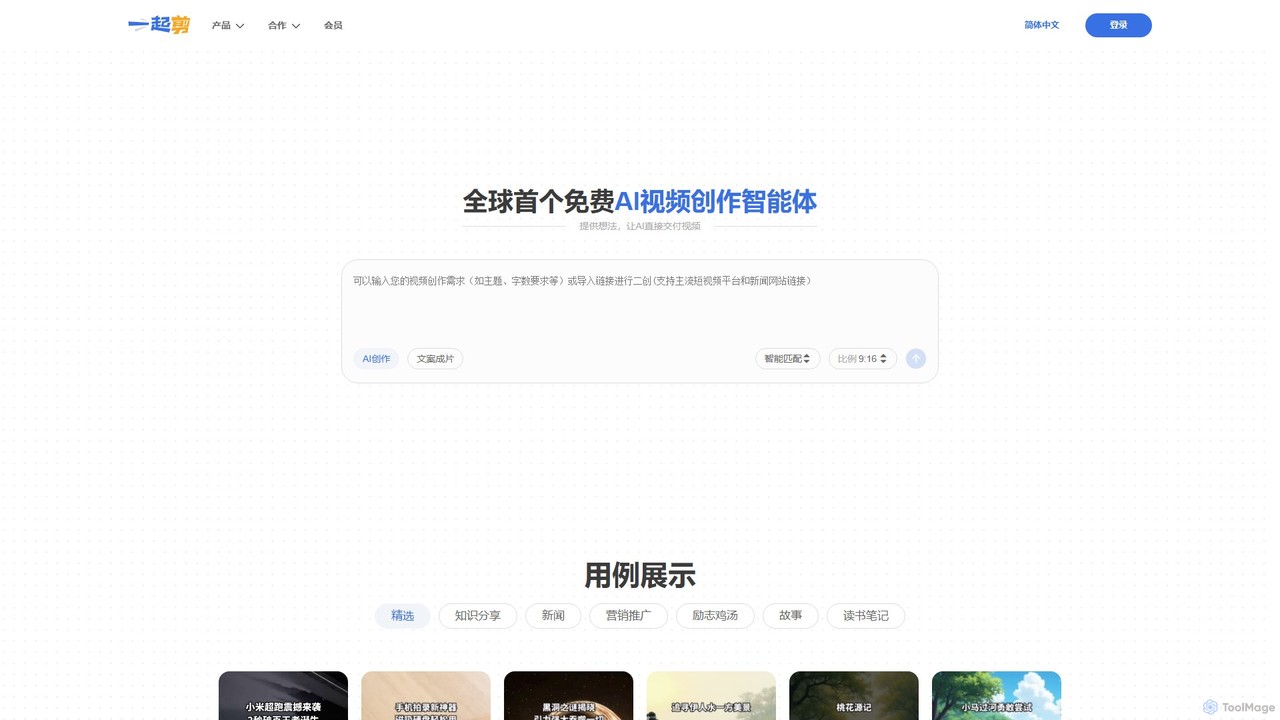
Yiqijian
Yiqijian is an AI-powered video creation agent that transforms ideas, text, or links into engaging short videos instantly. …
Yiqijian is an AI-powered video creation agent that transforms ideas, text, or links into engaging short videos instantly. It automates the entire process, from scriptwriting and media matching to editing and voiceover, making video production accessible to everyone, regardless of skill level.
About Automated Content
Automated Content tools are a class of AI systems designed to programmatically generate large volumes of text from structured data and templates. These platforms leverage Natural Language Generation (NLG) technology to transform raw data, such as spreadsheets or database entries, into human-readable narratives, reports, and descriptions. Their primary value lies in automating repetitive content creation tasks, ensuring consistency and enabling personalization at a scale unattainable through manual writing. This makes them highly effective for data-rich industries requiring frequent and consistent content updates.
Core Features
- Data-to-Text Generation: Automatically converts structured data (e.g., financial figures, product specs) into coherent paragraphs and summaries.
- Template Customization: Allows users to create and modify templates with variables to control the structure, tone, and style of the output.
- Bulk Content Production: Generates hundreds or thousands of unique content pieces, like product descriptions or reports, in a single operation.
- API Integration: Connects with other software and databases to trigger content creation automatically as part of a larger workflow.
- Multi-Language Support: Capable of generating content in various languages from a single data source and template.
Use Cases
These tools are widely adopted in e-commerce for creating unique product descriptions, in finance for generating market summaries and portfolio reports, and in real estate for producing property listings. Media companies also use them to auto-generate sports game recaps or weather forecasts, while marketing teams leverage them for creating personalized email campaigns and localized landing pages.
How to Choose
When selecting an Automated Content tool, evaluate its data integration capabilities (API, CSV, database connections). Assess the flexibility of its templating engine and the naturalness of the language output. Consider the tool's scalability for handling your required volume and its pricing model (per word, per document, or subscription). Finally, check for robust API documentation if you plan to integrate it into existing systems.
Automated ContentUse Cases
Bulk Generation of E-commerce Product Descriptions
An e-commerce manager for a large online retailer with thousands of products needs to create unique, SEO-friendly descriptions for each item. Manually writing them is slow and leads to inconsistent quality. Using an automated content tool, they upload a product specification spreadsheet (containing brand, model, features, dimensions). The tool uses a pre-defined template to generate a unique, persuasive description for every product in minutes. This process populates the entire catalog with high-quality content, improves SEO rankings with unique text, and reduces content creation time by over 95%.
Automated Financial Reporting for Clients
A financial advisory firm needs to provide clients with personalized quarterly portfolio performance reports. The task is repetitive and prone to human error. By integrating an automated content platform with their portfolio database via API, financial analysts can automatically generate these reports. The system pulls individual client data (asset allocation, performance metrics, market benchmarks) and transforms it into a clear, narrative summary. This ensures every client receives a timely, accurate, and professionally written report, freeing up analysts to focus on high-value strategic advice.
Creating Hyper-Local SEO Landing Pages
A national service company wants to improve its local search presence in 200 different cities. Creating a unique landing page for each location is a massive undertaking. An SEO specialist uses an automated content tool to achieve this at scale. They create a master page template and a spreadsheet with location-specific data (city name, local landmarks, specific service offerings). The tool programmatically generates 200 distinct landing pages, each tailored with local keywords and information. This strategy significantly boosts local search visibility and lead generation without months of manual web development.
Dynamic Real Estate Listing Generation
A large real estate agency needs to quickly publish new property listings online with compelling descriptions. Agents provide basic property data through a form (e.g., square footage, number of bedrooms, location, key features like 'hardwood floors' or 'updated kitchen'). An automated content system instantly generates a well-structured and engaging property description based on this data. This standardizes the quality of listings across the agency, reduces the time from data entry to live listing, and allows agents to focus on selling rather than writing copy.
Personalized Mass Email Marketing
A marketing automation specialist aims to increase engagement for a new email campaign by personalizing content for thousands of subscribers. Instead of using simple mail merge for just the name, they use an automated content tool. The tool connects to the CRM and uses customer data (e.g., past purchases, browsing history, location) to generate a unique paragraph within each email. This results in highly relevant content for each recipient, leading to significantly higher open rates, click-through rates, and conversions compared to generic email blasts.
Real-Time Sports Game Summaries
A media outlet wants to publish game summaries for hundreds of sporting events as soon as they conclude. Hiring writers to cover every game is not feasible. They use an automated content tool connected to a live sports data feed. The tool is configured with narrative templates that describe key plays, turning points, and final scores. Within seconds of a game ending, a complete, human-readable summary is generated and published to their website and social media, providing timely content for sports fans.