Content Creation Best in category 2 results Blog Generation AI Tool

Popular AI tools in the Blog Generation field of Content Creation include instanews.ai、SEOsolved, etc., helping you quickly improve efficiency.

SEOsolved

SEOsolved

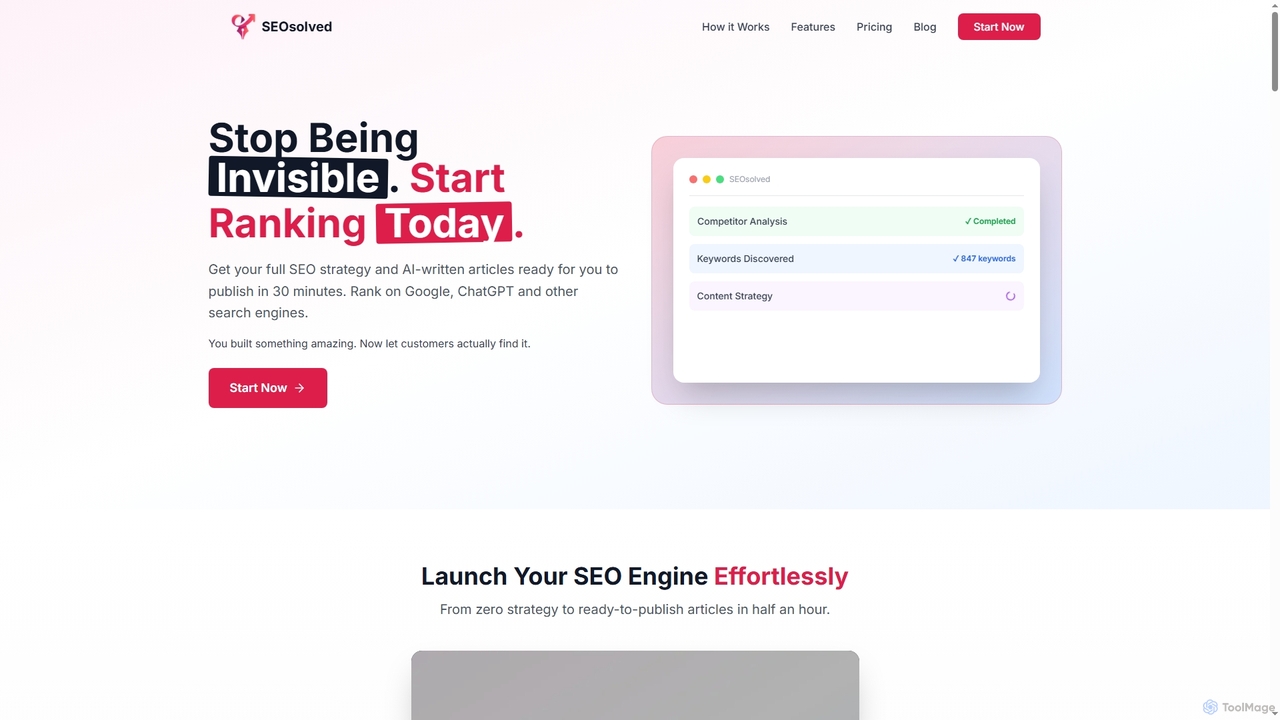
SEOsolved is an AI-powered platform that generates a complete SEO content strategy and ready-to-publish articles in minutes. It …

3.0K
instanews.ai

instanews.ai

Instanews.ai is an AI-powered tool that automatically transforms your Instagram posts into engaging, SEO-friendly blog articles for your …

3.9K

About Blog Generation

Blog Generation tools are specialized AI applications designed to automate the creation of complete, structured articles from a simple topic or keyword. They leverage large language models (LLMs) to research subjects, generate coherent drafts, create logical headings, and integrate SEO keywords. These tools are primarily used by content marketers, SEO specialists, and businesses to scale content production, overcome writer's block, and maintain a consistent publishing schedule. Unlike general-purpose AI writers, they often include features tailored for long-form content, such as SERP analysis and structured data output.

Core Features

  • One-Click Article Generation: Creates a full-length, formatted blog post from a single title or keyword input.
  • SEO-Driven Outlining: Analyzes top-ranking content to build a structured outline with optimized H2 and H3 headings.
  • Tone and Voice Customization: Allows users to define a specific writing style, such as professional, casual, witty, or expert.
  • Factual Data Integration: Some advanced tools can incorporate real-time data, research, and citations to improve accuracy.
  • Multi-Language Content Creation: Generates articles in various languages to support global content strategies.

Use Cases

These tools are ideal for marketing teams aiming to build topic authority through content clusters, SEO agencies producing articles for multiple clients, and small business owners needing to maintain an active blog with limited resources. They are also widely used by affiliate marketers to quickly populate niche websites with review and informational content.

How to Choose

When selecting a Blog Generation tool, evaluate the quality and coherence of the generated text. Prioritize tools with robust SEO features, such as keyword integration and competitor analysis. Assess the level of customization available for tone, structure, and length. Also, consider its integration capabilities with platforms like WordPress or Google Docs to streamline your workflow.

Blog GenerationUse Cases

1

Scaling a Corporate Blog for SEO

A content marketing manager needs to publish over 15 SEO-optimized articles monthly to build topic authority around their company's core services. Using a blog generation tool, they input target keywords and audience personas. The AI analyzes SERPs, generates comprehensive outlines, and writes first drafts that are 80% complete. The content team then focuses on adding unique industry insights, case studies, and brand voice, reducing the average article creation time from 8 hours to 2 hours. This allows them to triple their content output and accelerate organic traffic growth.

2

Rapid Content Creation for Affiliate Marketing

An affiliate marketer is launching a new niche website about eco-friendly home products. To quickly build a content base, they use a blog generator to create dozens of articles, such as 'Top 10 Biodegradable Cleaners' and 'Are Bamboo Towels Worth It?'. The tool helps generate structured reviews, comparison tables, and informational posts. This allows the marketer to populate the site with valuable content in a matter of days instead of months, significantly speeding up the process of attracting organic traffic and earning initial commissions.

3

Overcoming Writer's Block for Solo Creators

A freelance blogger has a deadline for a complex topic but is struggling with writer's block. They feel overwhelmed and don't know where to start. By inputting the main topic into a blog generation tool, they receive three different potential outlines and several introductory paragraph options. Seeing the topic broken down into a logical structure with compelling hooks provides the creative spark needed. The blogger uses one of the outlines as a foundation, then fleshes it out with their personal expertise and storytelling, turning a daunting task into a manageable creative process.

4

Generating Drafts for Technical How-To Guides

A product manager at a SaaS company needs to create a series of 'how-to' blog posts for a new feature launch. They lack the time to write each post from scratch. They provide the blog generation tool with a list of feature functions and desired user outcomes. The AI structures this information into logical, step-by-step guides, complete with clear headings like 'Step 1: Configuration' and 'Step 2: Execution'. This provides a solid first draft, allowing the product manager to quickly review for technical accuracy and add screenshots, saving significant documentation time.

5

Repurposing Webinars into Blog Posts

A digital marketing team hosts a monthly webinar that generates valuable insights but has a limited live audience. To extend the content's reach, they upload the webinar transcript to a blog generation tool. The AI identifies the key topics, summarizes the main arguments, and restructures the conversational dialogue into a well-organized article with clear sections and takeaways. The team then embeds the webinar video within the post. This efficiently transforms a one-time live event into a lasting, SEO-friendly asset that continuously attracts new audiences through organic search.

6

Creating Localized Content for Global Markets

A global e-commerce brand needs to maintain active blogs in five different languages to engage local customers. Manually creating unique content for each market is slow and expensive. They use a blog generation tool to create a master article in English. Then, they use its multi-language capabilities to regenerate the core ideas and structure of the article for Spanish, German, and Japanese markets. The tool adapts cultural references and phrasing, going beyond simple word-for-word translation. This allows a small central team to manage a global content strategy efficiently, ensuring brand consistency while respecting local nuances.

Blog GenerationFrequently Asked Questions