Content Creation Best in category 1 results Content Verification AI Tool

Popular AI tools in the Content Verification field of Content Creation include AI Detector, etc., helping you quickly improve efficiency.

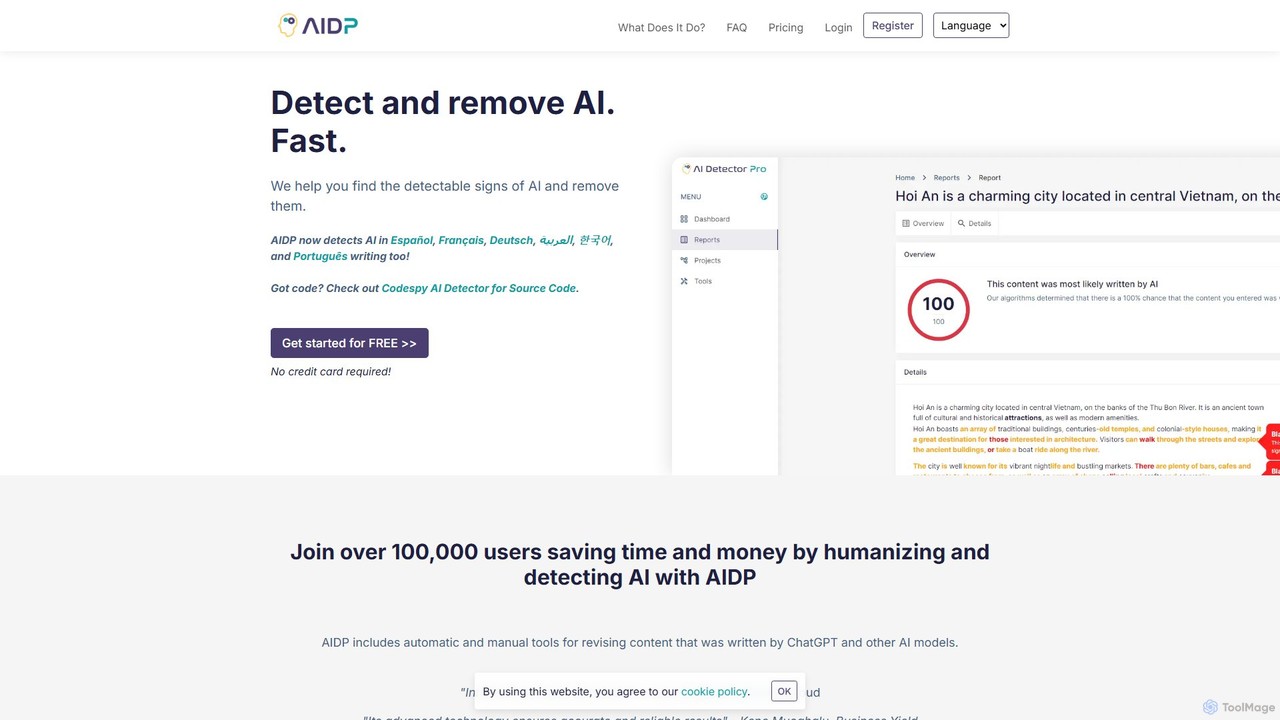
AI Detector

AI Detector

An advanced AI tool for detecting AI-generated text and images with high accuracy. It supports models like ChatGPT, …

1.2M

About Content Verification

Content Verification tools are AI-powered solutions designed to assess the accuracy, originality, and quality of textual and sometimes visual content. They leverage advanced natural language processing (NLP) and machine learning algorithms to identify factual errors, detect plagiarism, check for bias, and ensure consistency across various content pieces. These tools are essential for maintaining brand credibility, ensuring compliance, and publishing high-quality, trustworthy information in an era of rapid content generation.

Core Features

  • Factual Accuracy Checking: Automatically cross-references claims against reliable data sources to flag potential inaccuracies.
  • Plagiarism Detection: Scans vast databases of existing content to identify unoriginal text and potential copyright infringements.
  • Bias and Sentiment Analysis: Evaluates content for unintentional biases, emotional tone, and fairness in representation.
  • Consistency Enforcement: Checks for uniformity in terminology, style, and branding guidelines across multiple documents.
  • Grammar and Style Correction: Beyond basic spell-checking, it suggests improvements for clarity, conciseness, and adherence to specific style guides.

Use Cases

Content Verification tools are widely adopted by media organizations, marketing agencies, academic institutions, and legal departments. They are crucial for journalists verifying sources, marketers ensuring brand message consistency, and educators checking student submissions for originality. These tools streamline the review process, reduce human error, and uphold content integrity.

How to Choose

When selecting a Content Verification tool, prioritize its accuracy in factual checking and plagiarism detection, as well as the breadth of supported content types (text, images, video metadata). Consider its integration capabilities with existing content management systems, the flexibility of customization for specific style guides, and its scalability to handle large volumes of content. User interface and reporting features are also important for efficient workflow.

Content VerificationUse Cases

1

Ensuring Journalistic Integrity

Journalists use content verification tools to rapidly fact-check news articles, cross-reference sources, and identify potential misinformation before publication. This helps maintain public trust and journalistic standards by ensuring all reported facts are accurate and verifiable, significantly reducing the risk of publishing false information under tight deadlines.

2

Maintaining Brand Consistency in Marketing

Marketing teams deploy these tools to ensure all campaign materials, from social media posts to website copy, adhere strictly to brand voice, messaging, and factual accuracy across global markets. This prevents off-brand communication and ensures a unified, trustworthy brand image, especially when managing content across multiple channels and languages.

3

Academic Plagiarism Prevention

Educational institutions utilize content verification software to scan student essays, research papers, and dissertations for originality, detecting instances of plagiarism and promoting academic honesty. This upholds educational integrity by ensuring that all submitted work is the student's own, fostering a culture of original thought and ethical scholarship.

4

Legal and Regulatory Compliance

Legal departments and compliance officers use these tools to verify that contracts, disclosures, and public statements meet specific legal requirements, avoiding potential liabilities and ensuring regulatory adherence. This proactive approach minimizes legal risks by catching non-compliant language or factual errors before documents are finalized and published.

5

Quality Assurance for AI-Generated Content

Content creators working with AI generation tools employ verification systems to review AI-produced drafts for factual errors, logical inconsistencies, and potential biases before human editors refine them. This ensures high-quality output and maintains the integrity of information, bridging the gap between raw AI output and polished, reliable content ready for publication.

6

Detecting Deepfakes and Manipulated Media

Media analysts and security professionals use advanced content verification tools to analyze images and videos for signs of manipulation, such as deepfakes, ensuring the authenticity of visual information. This critical application helps combat disinformation campaigns and protects against the spread of fabricated media, which is vital for maintaining trust in digital content.

Content VerificationFrequently Asked Questions