ToolMage
Sign in

Best 2 Podcast AI tools for Content Creation

Popular Podcast AI tools in Content Creation include PodTextify and readit, helping you work more efficiently.

PodTextify
Paid

PodTextify

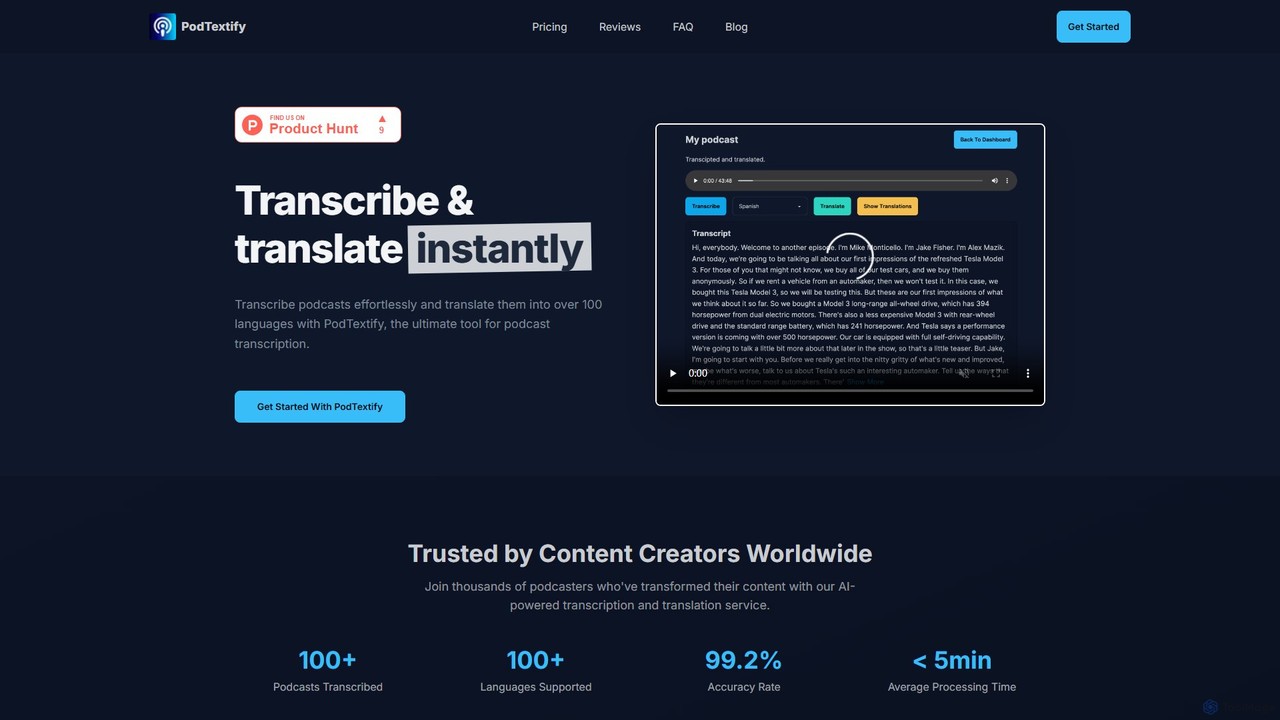
PodTextify is an AI-powered platform designed for podcasters and content creators to effortlessly transcribe and translate audio content. It offers high-accuracy transcriptions in minutes and supports translation into over 100 languages, helping creators expand their global reach, improve SEO, and enhance content accessibility.

Transcription
Visits 6KFavorites 130Likes 138
readit
Freemium

readit

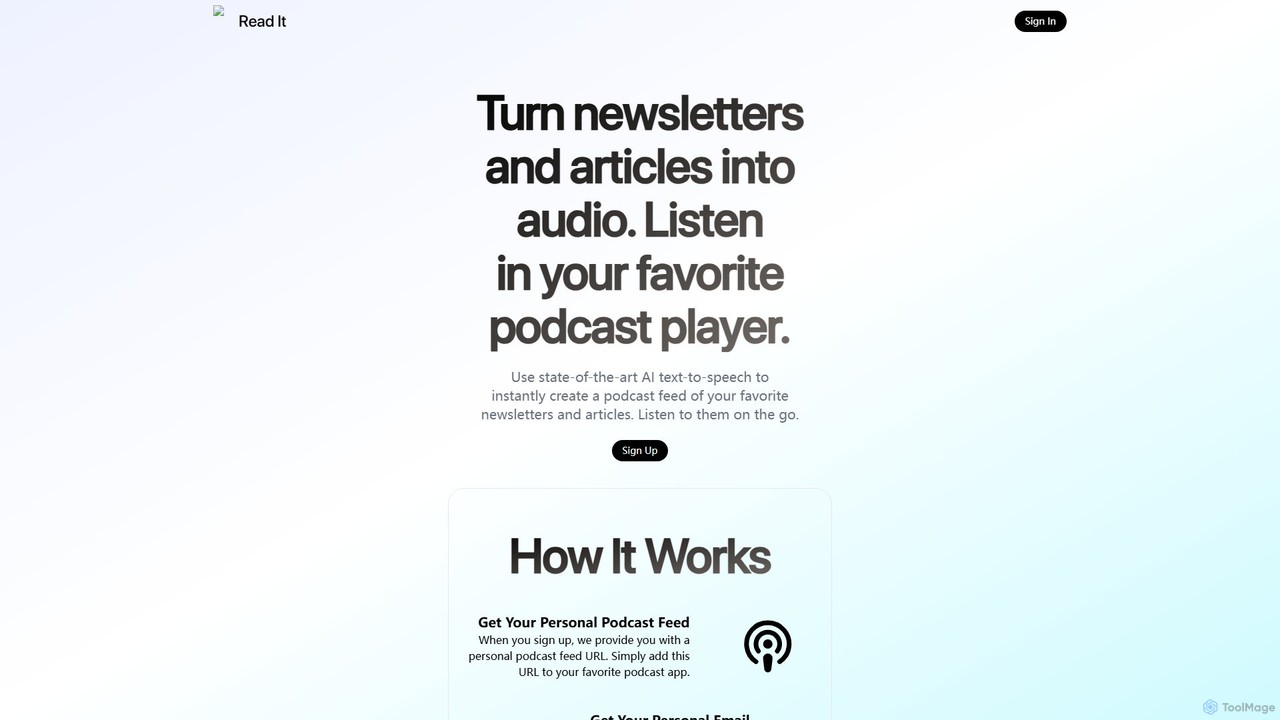
readit transforms your favorite newsletters and web articles into a personal podcast. Using advanced AI text-to-speech, it converts written content into high-quality audio. Simply forward emails or use the browser bookmarklet to add content, and listen in your preferred podcast app. Perfect for catching up on your reading list while commuting, exercising, or multitasking.

Reading Aid
Visits 5.4KFavorites 112Likes 115

About Podcast

AI Podcast tools are a specialized category within content creation tools that leverage artificial intelligence to streamline and enhance various stages of podcast production. These tools utilize advanced audio processing, natural language generation, and voice synthesis technologies to assist with scriptwriting, audio editing, transcription, and even generating synthetic voices. They significantly reduce the manual effort involved, enabling creators to produce high-quality podcasts more efficiently and reach a wider audience.

Core Features

  • AI Script Generation: Automatically drafts podcast scripts, outlines, or show notes based on topics and keywords.
  • Automated Audio Editing: Intelligently removes filler words, silences, and background noise, and can adjust pacing and volume.
  • Voice Cloning & Synthesis: Creates realistic AI voices from text or clones existing voices for narration and character roles.
  • Transcription & Translation: Converts audio to text, generates captions, and translates content into multiple languages for accessibility.
  • Sound Effect & Music Integration: Suggests and integrates royalty-free background music and sound effects to enhance audio quality.

Use Cases

Podcast creators use these tools to automate repetitive editing tasks, generate episode ideas, and produce multilingual versions. Marketing teams leverage AI voices for consistent brand narration in audio ads. Educators create engaging audio lessons with synthesized voices and automated transcriptions.

How to Choose

Consider the specific features needed (e.g., script generation vs. advanced audio editing), the quality of AI voices and transcription, integration with existing workflows, and pricing models. Evaluate the ease of use and the level of customization offered for voice styles and editing parameters.

Podcast use cases

1

Automate Podcast Scriptwriting

A solo podcaster struggling with writer's block uses an AI tool to generate episode outlines and draft initial scripts based on trending topics and target audience interests. This saves hours of research and writing, allowing them to focus more on recording and promotion, ensuring a consistent content pipeline.

2

Enhance Audio Quality and Editing

An independent content creator uploads raw audio recordings to an AI podcast editor. The tool automatically removes background noise, balances audio levels, and cuts out filler words like "ums" and "ahs," delivering a polished, professional-sounding episode in a fraction of the time compared to manual editing.

3

Create Multilingual Podcast Episodes

A global brand wants to reach non-English speaking audiences. They use AI voice cloning and translation tools to convert their existing English podcast episodes into Spanish, French, and German, using natural-sounding AI voices, expanding their reach without hiring multiple voice actors or translators.

4

Generate Engaging Podcast Intros/Outros

A new podcaster needs professional-sounding intro and outro segments. An AI tool helps them generate unique jingles, select appropriate background music, and synthesize a consistent voice-over for their branding, ensuring a cohesive and memorable listening experience for their audience from the very beginning.

5

Produce Educational Audio Content

An online educator creates audio lessons for students. They input their lesson plans into an AI podcast tool, which generates clear, engaging narration using a chosen AI voice, complete with background music and automatically generated transcripts for accessibility, making learning more flexible and inclusive for diverse student needs.

6

Repurpose Content into Audio Snippets

A marketing team wants to turn long-form blog posts or video transcripts into short, shareable audio snippets for social media. An AI tool identifies key sections, summarizes them, and converts the text into engaging audio clips with a consistent brand voice, significantly boosting content repurposing efficiency and audience engagement.

Podcast FAQ

What are AI Podcast tools?

AI Podcast tools are software applications that use artificial intelligence to assist with various aspects of podcast creation, from script generation and audio editing to voice synthesis and transcription. They aim to automate repetitive tasks, enhance audio quality, and expand content reach, making podcast production more efficient and accessible for creators of all levels.

How do AI Podcast tools differ from traditional audio editing software?

Traditional audio editing software requires manual input for most tasks like cutting, mixing, and noise reduction. AI Podcast tools, however, leverage algorithms to automate these processes, intelligently identifying and correcting issues, generating content, or synthesizing voices, significantly reducing manual effort and time. They offer a more streamlined, AI-driven workflow.

Can AI Podcast tools generate human-like voices?

Yes, modern AI Podcast tools utilize advanced text-to-speech and voice cloning technologies to generate highly realistic and natural-sounding human voices. Many offer a range of accents, tones, and emotional inflections, making it difficult to distinguish them from real human narration, especially when used effectively and contextually.

What are the main benefits of using AI in podcast production?

The primary benefits include significant time savings in editing and scriptwriting, improved audio quality through automated enhancements, increased accessibility via automatic transcription and translation, and the ability to experiment with different voices or content styles without extensive resources. They democratize podcast creation, allowing more people to produce professional-grade content.

What should I consider when choosing an AI Podcast tool?

When selecting an AI Podcast tool, consider its core functionalities (e.g., script generation, audio editing, voice synthesis), the quality and naturalness of its AI voices, the accuracy of its transcription services, its integration capabilities with other platforms, and its pricing structure. Also, evaluate the user interface for ease of use and the level of support provided.