ToolMage
Sign in

Best 2 Publishing AI tools for Content Creation

Popular Publishing AI tools in Content Creation include HackerNoon and SocialPlus, helping you work more efficiently.

HackerNoon

HackerNoon

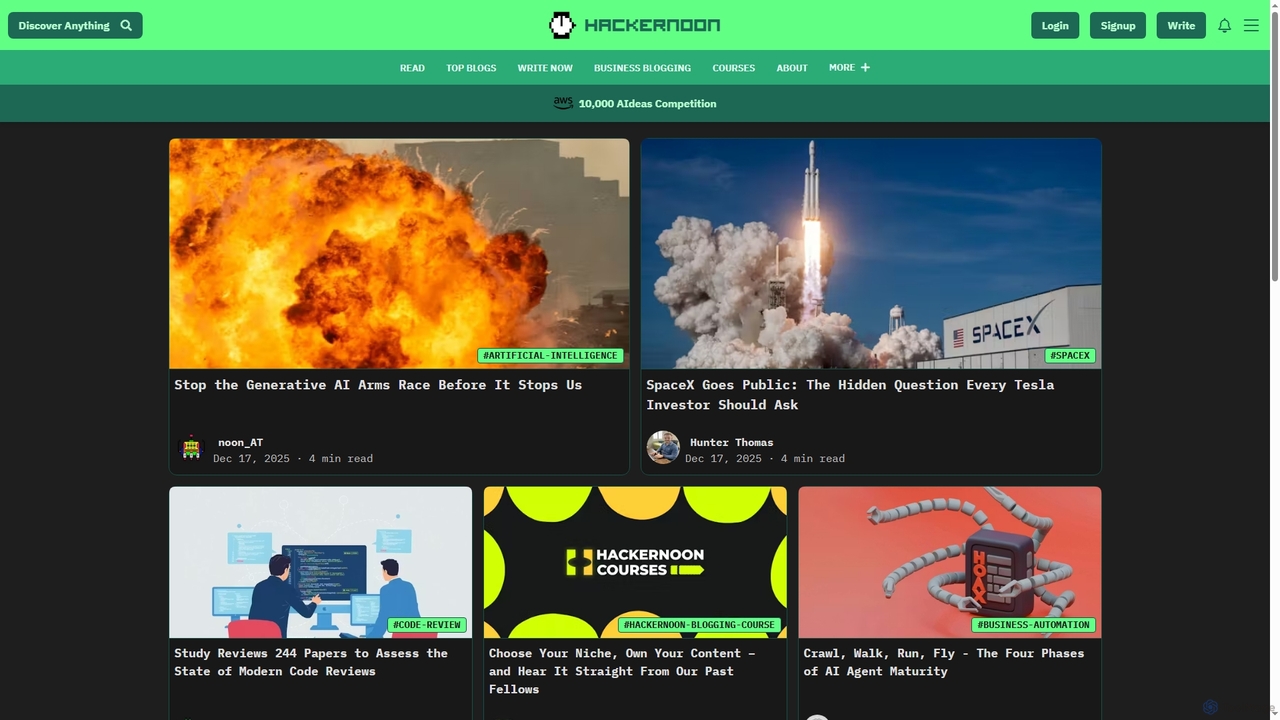
HackerNoon is a leading independent technology publishing platform, serving an international community of 45,000+ contributing writers and over 4 million monthly readers. It's a premier hub for in-depth tech stories, including extensive coverage on artificial intelligence, machine learning, and software development. The platform also leverages AI for content verification, ensuring human-written quality and credibility.

Tech News
Visits 4.1MFavorites 64Likes 71
SocialPlus
Free

SocialPlus

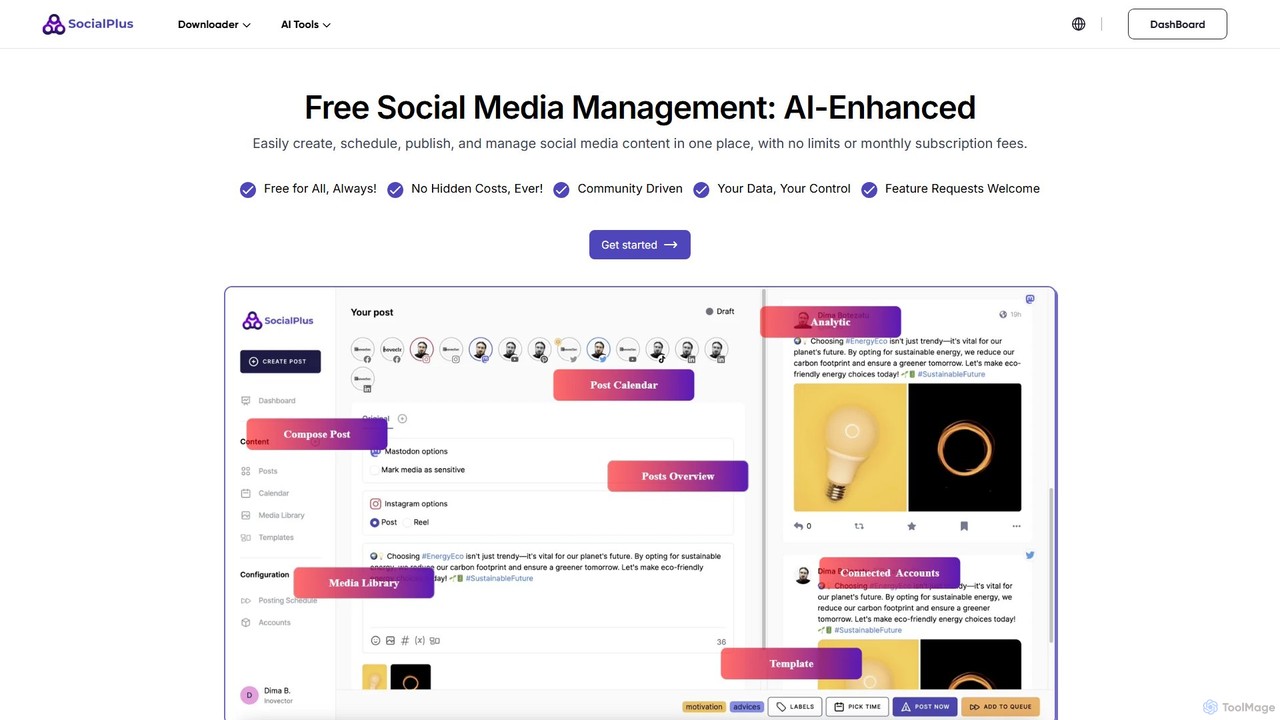
SocialPlus is a completely free, AI-enhanced social media management tool. It allows users to easily create, schedule, publish, and analyze content across multiple platforms like Facebook, Instagram, TikTok, and LinkedIn from a single dashboard. With a strong focus on privacy and a commitment to being free forever, it offers a powerful solution for businesses and creators to maximize their social media efficiency without any subscription fees.

Publishing
Visits 23KFavorites 174Likes 182

About Publishing

AI Publishing tools are a specialized category of software designed to automate and optimize the final stages of the content creation workflow. These tools leverage artificial intelligence to handle tasks like scheduling, cross-platform adaptation, and performance analysis. They intelligently determine the best times to post, reformat content for different channels, and provide data-driven insights to maximize reach and engagement. This enables creators and marketers to distribute their content more effectively and efficiently across various digital platforms.

Core Features

  • Intelligent Scheduling: Automatically determines and schedules content publication for peak audience engagement times on each platform.
  • Cross-Platform Repurposing: Adapts a single piece of content into multiple formats suitable for blogs, social media, newsletters, and more.
  • Performance Analytics: Tracks key metrics like reach, engagement, and conversions, providing insights to refine future publishing strategies.
  • SEO Publishing Optimization: Analyzes content just before publication to suggest improvements for titles, meta descriptions, and keywords to enhance search visibility.
  • Automated Distribution: Simultaneously pushes content to multiple selected channels and platforms from a single interface.

Applicable Scenarios

These tools are highly valuable for digital marketing teams managing complex content calendars, solo creators aiming to expand their online presence, and agencies handling social media for multiple clients. For instance, a marketing team can use an AI publisher to orchestrate a multi-channel product launch, ensuring consistent messaging and optimized timing across their blog, Twitter, and LinkedIn.

Selection Criteria

When choosing an AI Publishing tool, consider the range of supported platforms and integrations with your existing content creation tools. Evaluate the depth of its analytics and the sophistication of its content repurposing capabilities. Also, assess the user interface's ease of use and whether the pricing model aligns with your content volume and team size.

Publishing use cases

1

Automated Social Media Campaign Management

A digital marketing manager is tasked with promoting a new product launch across multiple social platforms. Instead of manually posting on each channel, they use an AI Publishing tool. They upload all their content assets (images, videos, copy) and the tool's AI analyzes audience activity data to suggest an optimal posting schedule for Twitter, LinkedIn, and Instagram. It automatically schedules the posts for the next two weeks, saving the manager hours of manual planning and execution, while maximizing the campaign's initial visibility.

2

Repurposing Blog Content for Multiple Channels

A content creator publishes a detailed, 2000-word article on their blog. To maximize its reach, they use an AI Publishing tool's repurposing feature. The AI scans the article and automatically generates several content variations: a 10-tweet thread summarizing the key points, a concise LinkedIn post with professional language, and a visually appealing summary for an Instagram carousel. This allows the creator to efficiently distribute their core message across different platforms, tailored to each audience's consumption habits.

3

Optimizing SEO Before Publishing an Article

An SEO specialist has just finished writing a comprehensive guide. Before publishing it on the company's WordPress site, they paste the text into an AI Publishing tool. The tool analyzes the content against top-ranking competitors for the target keyword. It then provides actionable suggestions, such as improving the title for better click-through rates, adding a meta description, and incorporating related semantic keywords into specific sections. The specialist applies these changes directly, enhancing the article's potential to rank well from the moment it goes live.

4

Managing Multi-Channel E-commerce Promotions

An e-commerce store owner plans a weekend flash sale. Using an AI Publishing tool, they create a single promotion campaign. The tool allows them to schedule a series of coordinated posts: an announcement on their blog, hourly reminders on Twitter with different product highlights, and visually rich posts on Instagram and Facebook. The AI ensures all posts are published at optimal times for each platform to maximize traffic to the sale page. After the sale, the tool provides a consolidated report showing which channel drove the most conversions.

5

Curating and Scheduling a Weekly Newsletter

A community manager for a tech startup is responsible for a weekly newsletter. They use an AI Publishing tool that integrates with news feeds and their social media monitoring tools. The AI helps curate the most relevant industry articles from the past week. The manager then arranges these curated links within a newsletter template, adds their own commentary, and uses the tool's AI to determine the best time to send it on Tuesday morning for maximum open rates based on historical data. The entire process is streamlined within one platform.

6

Distributing and Promoting a New Podcast Episode

A podcaster uploads their latest episode's audio file to an AI Publishing platform. The tool automatically distributes the episode to all major podcast directories like Spotify and Apple Podcasts. Simultaneously, its AI generates promotional assets: it creates a short audiogram video clip with animated captions for Instagram, pulls out several impactful quotes formatted as images for Twitter, and drafts a LinkedIn post announcing the new episode and its key topics. The podcaster can then schedule all these promotional assets to be published across their social channels in a coordinated manner.

Publishing FAQ

What are AI Publishing tools?

AI Publishing tools are software applications that use artificial intelligence to automate and optimize the distribution of digital content. They go beyond simple scheduling by analyzing data to determine the best times to post, adapting content for different platforms, and providing performance analytics. Their main purpose is to help creators and marketers maximize the reach and impact of their content with less manual effort.

How do AI Publishing tools differ from traditional social media schedulers?

Traditional schedulers are primarily calendars for queuing up posts. AI Publishing tools offer more intelligence. Key differences include:

  • Smart Timing: AI tools analyze audience data to suggest optimal posting times, whereas traditional tools require manual selection.
  • Content Adaptation: AI tools can automatically reformat a single piece of content for different platforms, a feature most schedulers lack.
  • Performance Insights: AI publishers provide deeper analytics and actionable recommendations, not just basic metrics like likes and shares.
In essence, AI tools move from simple automation to intelligent optimization of the publishing process.

What are the key features to look for in an AI Publishing tool?

When evaluating AI Publishing tools, focus on features that provide intelligent automation and insights. Key features include:

  • Broad Platform Support: Ensure it integrates with all the social media, blog, and newsletter platforms you use.
  • Advanced Analytics: Look for tools that offer predictive analytics (e.g., best time to post) and conversion tracking.
  • Content Repurposing Capabilities: A strong tool should be able to intelligently summarize or reformat content for different channels.
  • Workflow Integration: Check for integrations with content creation tools (like Google Docs or Canva) and team collaboration features.

Who can benefit most from using AI Publishing tools?

AI Publishing tools are beneficial for a wide range of users. The primary beneficiaries are:

  • Digital Marketing Teams: To manage complex content calendars, ensure brand consistency, and optimize campaign performance across multiple channels.
  • Solo Content Creators & Bloggers: To save time on distribution and repurposing, allowing them to focus more on creating high-quality content.
  • Social Media Managers & Agencies: To efficiently manage multiple client accounts, schedule content at scale, and provide data-backed performance reports.
  • Small Business Owners: To maintain an active and effective online presence without needing a large dedicated marketing team.

Can AI Publishing tools help with content strategy?

Yes, indirectly but significantly. While their primary function is distribution, the data they collect is invaluable for strategy. By analyzing performance metrics across different platforms, topics, and formats, these tools help you understand what resonates with your audience. You can identify top-performing content to replicate its success, discover the best channels for your message, and find optimal posting frequencies. This data-driven feedback loop allows for continuous refinement of your overall content strategy.