ToolMage
Sign in

Best 1 Real Estate Content AI tools for Content Creation

Popular Real Estate Content AI tools in Content Creation include PropertyVideos, helping you work more efficiently.

PropertyVideos
Freemium

PropertyVideos

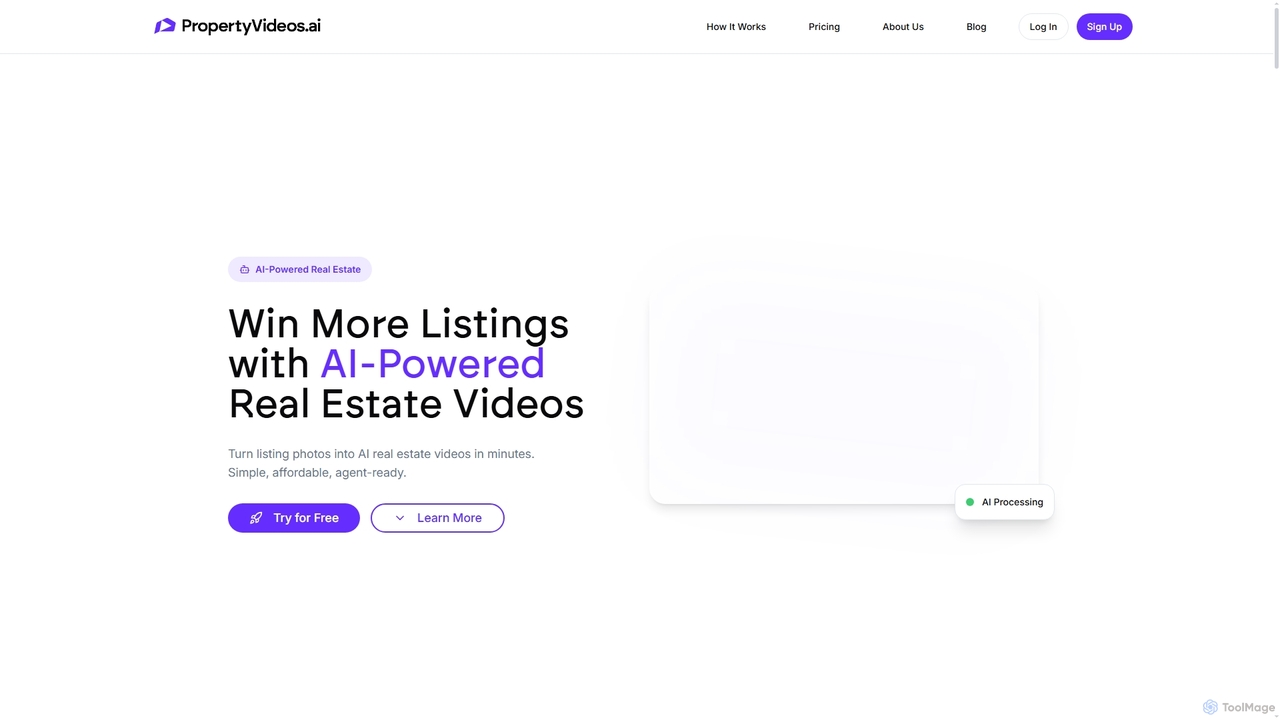
PropertyVideos is an AI-powered tool that transforms static real estate listing photos into dynamic, professional video tours in minutes. It helps real estate agents enhance brand visibility, generate more inquiries, and increase reach on social media with engaging, animated property videos and AI voiceovers.

Real Estate Content
Visits 10KFavorites 112Likes 124

About Real Estate Content

Real Estate Content tools are AI-powered platforms specifically designed to generate, optimize, and manage textual and descriptive content for the real estate industry. These tools leverage advanced natural language processing (NLP) and machine learning models trained on vast datasets of property listings, market reports, and marketing materials. Their primary value lies in automating the creation of compelling property descriptions, engaging marketing copy, and informative articles, significantly streamlining content workflows for real estate professionals. They ensure consistency, enhance SEO for listings, and enable personalized communication at scale.

Core Features

  • Automated Property Description Generation: Creates unique, detailed, and engaging descriptions for property listings based on input data like features, location, and amenities.
  • Marketing Copy Optimization: Generates persuasive ad copy for social media, email campaigns, and brochures, tailored to target audiences.
  • SEO-Enhanced Content: Incorporates relevant keywords and phrases to improve the search engine visibility of property listings and related articles.
  • Market Report Summarization: Condenses complex real estate market data into easily digestible summaries and insights for clients or internal use.
  • Multilingual Content Creation: Produces property descriptions and marketing materials in various languages to reach a broader international audience.

Use Cases

Real Estate Content tools are invaluable for real estate agents, brokers, marketing teams, and property developers. They are used to rapidly produce high-quality, consistent content for new listings, create targeted marketing campaigns for specific property types, and generate localized market insights. These tools help maintain a strong online presence, attract potential buyers and sellers, and efficiently manage the extensive content demands of the real estate sector.

How to Choose

When selecting a Real Estate Content tool, consider its specialization in real estate terminology and data, the range of content types it can generate (e.g., descriptions, ads, blogs), and its integration capabilities with existing CRM or listing platforms. Evaluate the quality and uniqueness of the generated output, customization options, and the tool's ability to incorporate specific property features and brand voice. User-friendliness and pricing models are also crucial factors for long-term adoption.

Real Estate Content use cases

1

Generating SEO-Optimized Property Descriptions

A real estate agent needs to list a new property quickly and ensure it ranks high on search engines. Using an AI Real Estate Content tool, they input basic property details like number of bedrooms, location, unique features, and target audience. The tool then generates several unique, keyword-rich descriptions that highlight the property's best aspects, saving hours of manual writing and improving online visibility.

2

Crafting Engaging Social Media Marketing Copy

A real estate marketing manager is launching a campaign for a luxury apartment complex. They use the AI tool to generate a series of compelling social media posts for platforms like Instagram and Facebook. The tool creates varied captions, hashtags, and calls-to-action that resonate with high-net-worth individuals, ensuring consistent brand messaging and increasing engagement rates.

3

Automating Personalized Email Campaigns

A brokerage wants to send personalized email updates to potential buyers based on their preferences (e.g., single-family homes in specific neighborhoods). The AI Real Estate Content tool integrates with their CRM to automatically draft tailored email content, including new listing alerts and market updates, making each communication feel personal and relevant, thereby nurturing leads more effectively.

4

Producing Local Market Analysis Summaries

A real estate analyst needs to provide clients with concise summaries of quarterly market trends for specific neighborhoods. Instead of manually sifting through extensive data, they feed raw market data into the AI tool. The tool then generates clear, jargon-free summaries highlighting key trends, price changes, and investment opportunities, enabling faster client communication and informed decision-making.

5

Creating Unique Blog Posts for Agent Websites

An individual real estate agent wants to establish thought leadership and attract organic traffic to their website. They use an AI content tool to generate blog posts on topics like "First-Time Home Buyer Tips" or "Maximizing Home Value." The tool helps produce well-researched, engaging articles that position the agent as an expert, improving their online authority and lead generation.

6

Developing Multilingual Property Brochures

A property developer is marketing a new project to international investors. They utilize an AI Real Estate Content tool to translate and localize property descriptions and marketing materials into multiple languages (e.g., Mandarin, Spanish, Arabic). This ensures accurate, culturally appropriate content for brochures and websites, expanding their reach to a global audience without extensive manual translation costs.

Real Estate Content FAQ

What are Real Estate Content tools?

Real Estate Content tools are AI-powered platforms that automate the creation and optimization of written content specifically for the real estate industry. They leverage natural language generation (NLG) to produce property descriptions, marketing copy, blog posts, and market reports. Their core purpose is to enhance efficiency, ensure content consistency, and improve the SEO performance of real estate listings and marketing efforts.

How do Real Estate Content tools differ from general AI content generators?

While general AI content generators can produce text on various topics, Real Estate Content tools are specifically trained on vast datasets of real estate terminology, market trends, and property data. This specialization allows them to generate more accurate, relevant, and industry-specific content, understanding nuances like property features, legal terms, and local market dynamics that generic tools might miss.

What types of content can AI Real Estate tools generate?

AI Real Estate tools can generate a wide array of content, including detailed property descriptions for listings, compelling marketing copy for social media ads and email campaigns, engaging blog posts on real estate topics, concise market analysis summaries, agent bios, and even scripts for property video tours. Many also offer features for content optimization and multilingual translation.

How can Real Estate Content tools improve property listing SEO?

Real Estate Content tools improve SEO by automatically incorporating relevant keywords and phrases that potential buyers use when searching for properties online. They can analyze listing data and market trends to suggest or generate descriptions that are rich in high-ranking terms, ensuring that property listings are more visible on search engines and real estate portals, ultimately attracting more qualified leads.

Who benefits most from using Real Estate Content AI?

Real estate agents, brokers, marketing teams, property developers, and real estate agencies benefit most. These tools help them manage large volumes of content efficiently, maintain brand consistency across all communications, personalize outreach to clients, and improve their online presence. They are particularly valuable for those needing to scale their content production without compromising quality or accuracy.