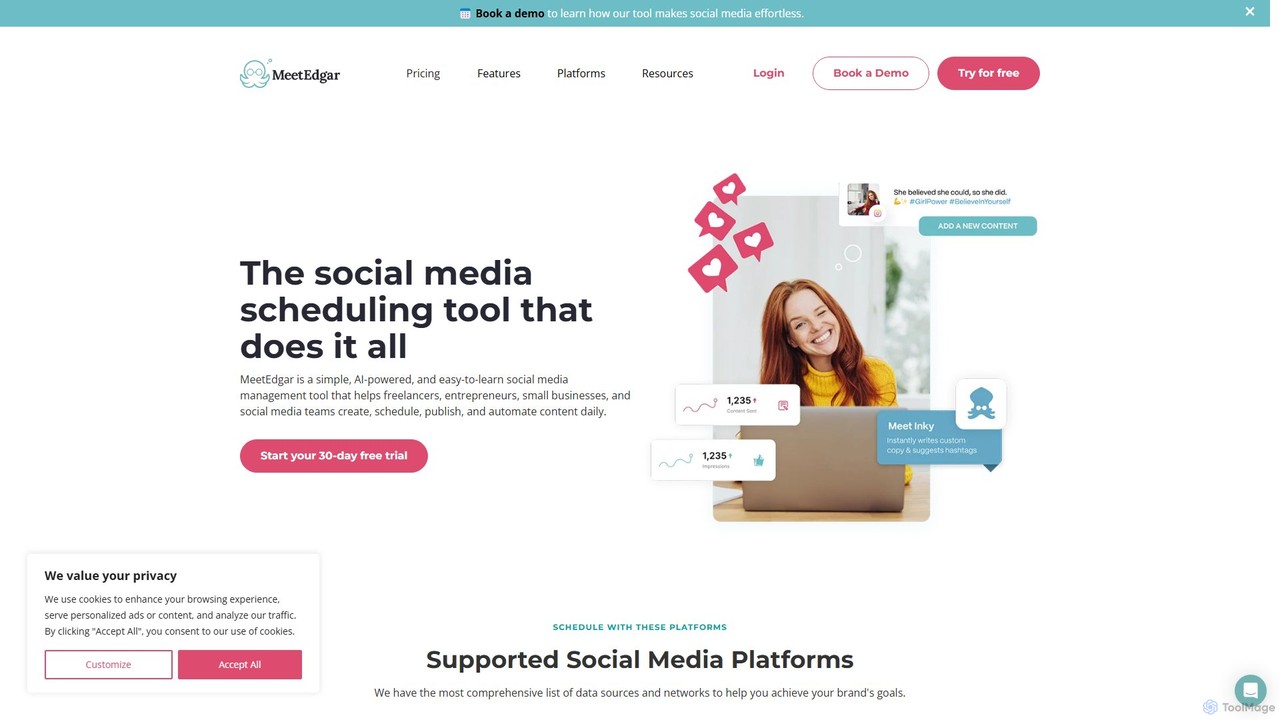
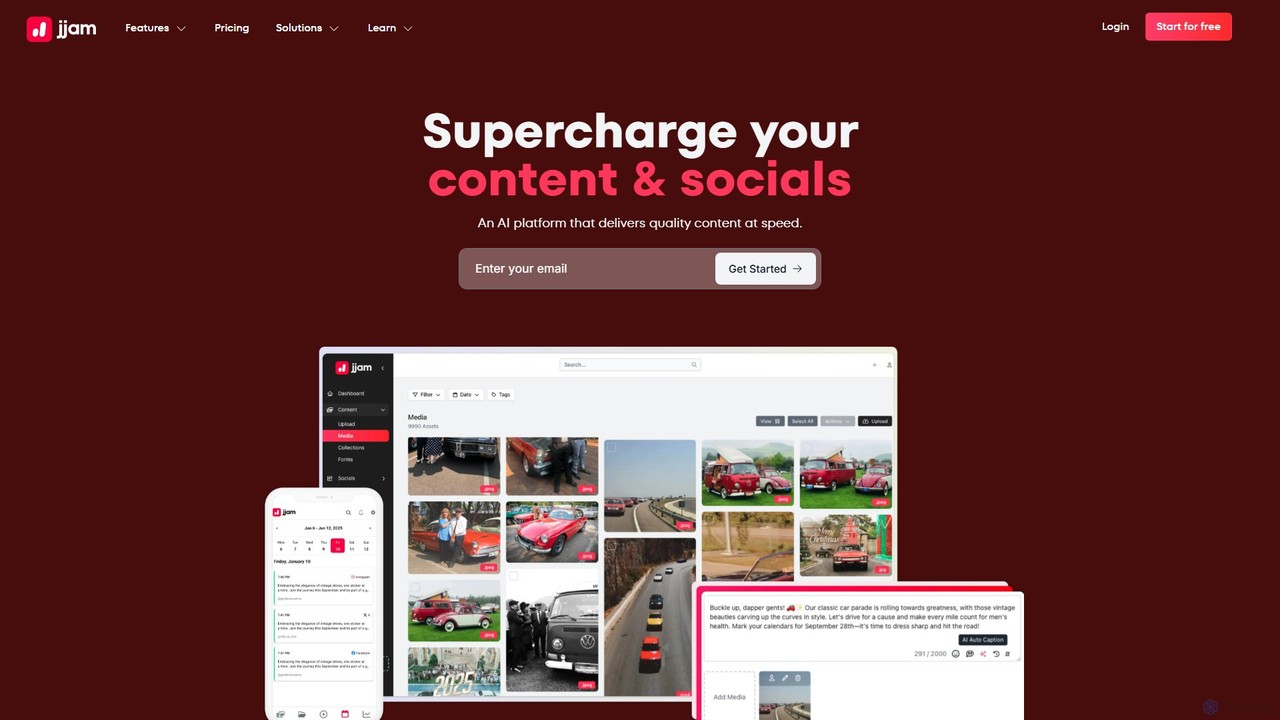
AI Scheduling tools are designed to automate and optimize the process of planning and coordinating events, meetings, and tasks. Leveraging artificial intelligence, these tools analyze calendars, preferences, and availability to suggest optimal times and manage bookings efficiently. They significantly streamline administrative tasks, ensuring smooth workflow management, especially within content creation and project management contexts. This technology enhances productivity by minimizing manual effort and reducing scheduling conflicts.
Core Features
- Automated Meeting Booking: Automatically finds and books suitable meeting slots based on participants' availability and preferences.
- Smart Calendar Synchronization: Integrates seamlessly with various calendar platforms to provide real-time availability updates and prevent double bookings.
- Task Prioritization & Allocation: Uses AI to suggest optimal times for tasks and allocate resources based on project deadlines and team capacity.
- Automated Reminders & Follow-ups: Sends timely notifications to participants, reducing no-shows and ensuring preparedness.
- Resource Management: Helps allocate meeting rooms, equipment, or specific personnel based on availability and requirements.
Applicable Scenarios
Sales teams use AI scheduling to effortlessly book discovery calls and product demos with prospects, eliminating back-and-forth emails. Recruitment agencies leverage these tools to coordinate complex interview schedules across multiple candidates and hiring managers, optimizing the hiring pipeline. Content marketing teams utilize AI scheduling to plan and distribute their editorial calendars, ensuring timely publication of articles, social media posts, and campaigns.
How to Choose
Consider its integration capabilities with your existing calendar, CRM, and project management software to ensure a unified workflow. Evaluate the level of AI intelligence, such as its ability to learn preferences, resolve conflicts, and suggest optimal times proactively. Assess customization options for booking pages, meeting types, and team-specific rules to match your organizational needs. Review scalability and pricing models to ensure it aligns with your team size and budget as your needs evolve.