ToolMage
Sign in

Best 1 Teaching Materials AI tools for Content Creation

Popular Teaching Materials AI tools in Content Creation include fobizz, helping you work more efficiently.

fobizz
Freemium

fobizz

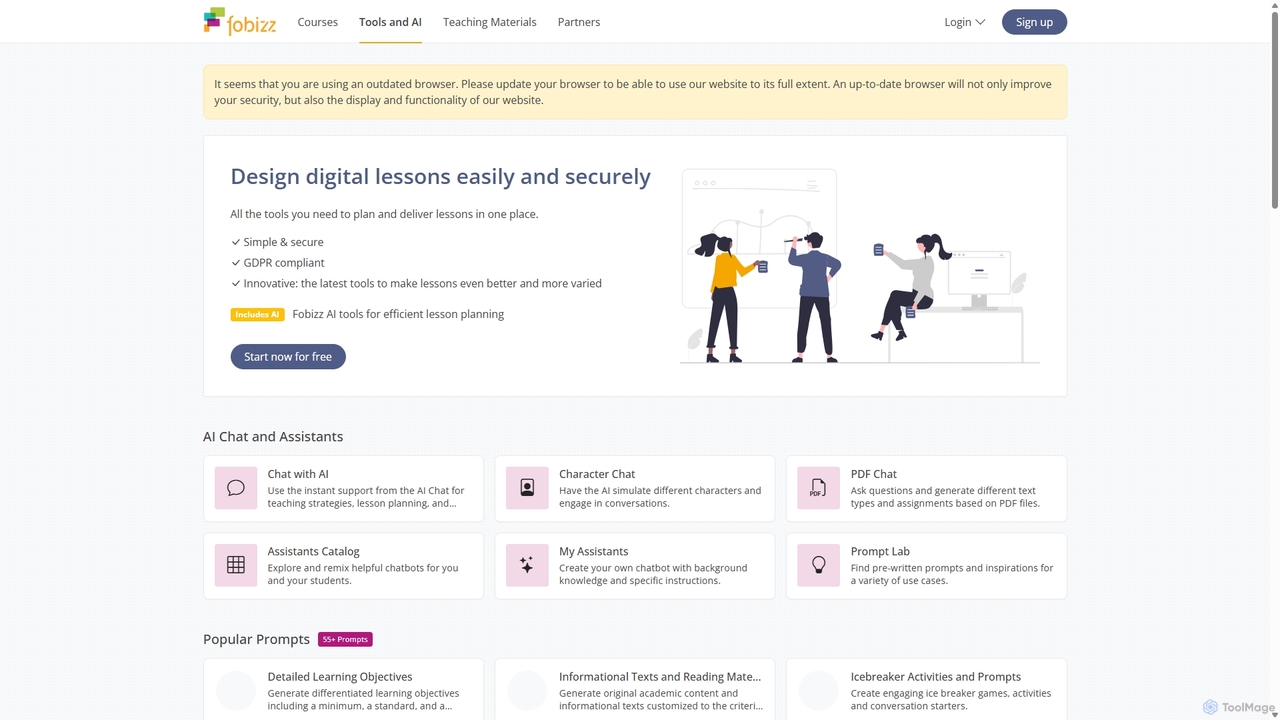
fobizz is an all-in-one digital platform for educators, offering a comprehensive suite of AI-powered tools, professional development courses, and ready-to-use teaching materials. It's designed to simplify lesson planning, create engaging content, and foster a secure, innovative learning environment compliant with GDPR.

Text To Speech
Visits 17.8KFavorites 113Likes 98

About Teaching Materials

AI Teaching Materials tools are specialized applications that leverage artificial intelligence to assist educators, trainers, and content creators in generating, customizing, and enhancing educational content. These tools utilize natural language processing, machine learning, and content generation algorithms to automate the creation of diverse learning resources. Their primary value lies in significantly reducing the time and effort required to develop high-quality, engaging, and personalized teaching materials, thereby allowing educators to focus more on instruction and student interaction. They offer innovative solutions for streamlining curriculum development and improving learning outcomes.

Core Features

  • Lesson Plan Generation: Automatically creates structured lesson plans based on topics, learning objectives, and grade levels.
  • Quiz and Assessment Creation: Generates various types of quizzes, tests, and interactive assessments from provided content or topics.
  • Content Summarization & Simplification: Condenses complex texts into digestible summaries or simplifies content for different age groups.
  • Multimedia Integration: Suggests or generates relevant images, videos, and audio clips to enrich educational content.
  • Personalized Learning Path Design: Develops adaptive learning modules and study guides tailored to individual student needs and progress.

Applicable Scenarios

These tools are invaluable for K-12 teachers designing daily lessons, university lecturers preparing course materials, corporate trainers developing employee onboarding programs, and online course creators building engaging e-learning modules. They streamline the process of creating diverse educational assets, from foundational curriculum outlines to supplementary study aids, ensuring consistency and quality across all learning experiences.

How to Choose

When selecting AI teaching materials tools, consider the specific subject matter and grade level adaptability, the range of output formats (e.g., PDF, interactive web content, LMS compatibility), the level of customization offered for generated content, and integration capabilities with existing learning management systems (LMS). Evaluate the accuracy of content generation, the ease of use, and the availability of features like plagiarism checks or accessibility options to ensure it meets your pedagogical needs and technical infrastructure.

Teaching Materials use cases

1

Automating Lesson Plan Creation for K-12 Teachers

A primary school teacher, overwhelmed with administrative tasks, uses an AI teaching material tool to input curriculum standards and learning objectives. The AI instantly generates a comprehensive lesson plan, including activities, discussion points, and assessment ideas, saving hours of planning time each week and allowing the teacher to focus more on classroom engagement.

2

Developing Interactive Quizzes for Online Courses

An online course creator needs to build engaging assessments for a new module on digital marketing. They upload course content to an AI tool, which then generates a variety of interactive quizzes, including multiple-choice, true/false, and short-answer questions. This ensures students actively test their knowledge and provides immediate feedback, enhancing the learning experience.

3

Summarizing Complex Research Papers for University Students

A university professor wants to provide students with concise study guides for dense academic texts. They use an AI teaching material tool to summarize lengthy research papers into key takeaways and bullet points. This helps students grasp core concepts more quickly, improves comprehension, and supports effective exam preparation.

4

Generating Personalized Study Guides for Diverse Learners

An educator working with students of varying learning styles and abilities utilizes an AI tool to create differentiated study guides. By inputting student profiles and learning goals, the AI tailors content complexity, examples, and presentation formats, ensuring each student receives materials optimized for their individual needs, fostering better understanding and retention.

5

Developing Engaging Presentation Slides for Corporate Training

A corporate trainer needs to develop a compelling presentation for a new employee training session on company policies. They feed the policy documents into an AI teaching material tool. The AI generates visually appealing slides with key points, relevant graphics, and prompts for interactive discussions, making the training more dynamic and memorable for new hires.

6

Translating Educational Content for Multilingual Classrooms

A school district with a diverse student population needs to provide teaching materials in multiple languages. Educators use an AI teaching material tool with translation capabilities to convert English lesson plans, handouts, and assignments into Spanish, Mandarin, and other languages. This ensures equitable access to learning resources for all students, regardless of their native language.

Teaching Materials FAQ

What are AI Teaching Materials tools?

AI Teaching Materials tools are software applications that use artificial intelligence to automate and enhance the creation of educational content. They leverage technologies like natural language processing (NLP) and machine learning to generate lesson plans, quizzes, summaries, and other learning resources. Their core purpose is to streamline the content creation process for educators, making it faster and more efficient to produce high-quality, engaging, and often personalized teaching aids.

How can AI tools enhance teaching material creation?

AI tools significantly enhance teaching material creation by automating repetitive tasks, such as drafting lesson plans or generating quiz questions, saving educators valuable time. They can also personalize content for individual learners, summarize complex information, suggest relevant multimedia, and even translate materials into multiple languages. This leads to more diverse, engaging, and accessible learning resources, ultimately improving the overall educational experience for students and reducing workload for teachers.

What should I consider when choosing an AI teaching material generator?

When selecting an AI teaching material generator, consider its adaptability to your specific subject and grade level, the variety of output formats it supports (e.g., PDF, interactive, LMS compatible), and the level of customization it allows for generated content. Evaluate its ease of use, the accuracy of its content generation, and its ability to integrate with your existing educational platforms. Also, look for features like plagiarism detection, accessibility options, and data privacy policies to ensure it meets your institutional and pedagogical requirements.

Can AI teaching material tools personalize content for students?

Yes, many advanced AI teaching material tools are designed with personalization capabilities. By analyzing student performance data, learning styles, and individual needs, these tools can generate adaptive learning paths, tailored study guides, and differentiated assignments. This allows educators to provide each student with content that is optimally suited to their pace and understanding, fostering a more effective and engaging learning experience that caters to diverse educational requirements.

How do AI teaching material tools differ from general content creation tools?

While general content creation tools offer broad functionalities for text, image, or video generation, AI teaching material tools are specifically designed with pedagogical principles and educational contexts in mind. They focus on features like curriculum alignment, assessment generation, content summarization for learning, and personalized learning path creation. Unlike generic tools, they often integrate with learning management systems (LMS) and are optimized to produce structured, pedagogically sound resources directly applicable to teaching and learning environments.