Content Creation Best in category 1 results Voice Cloning AI Tool

Popular AI tools in the Voice Cloning field of Content Creation include Fanfun, etc., helping you quickly improve efficiency.

Fanfun

Fanfun

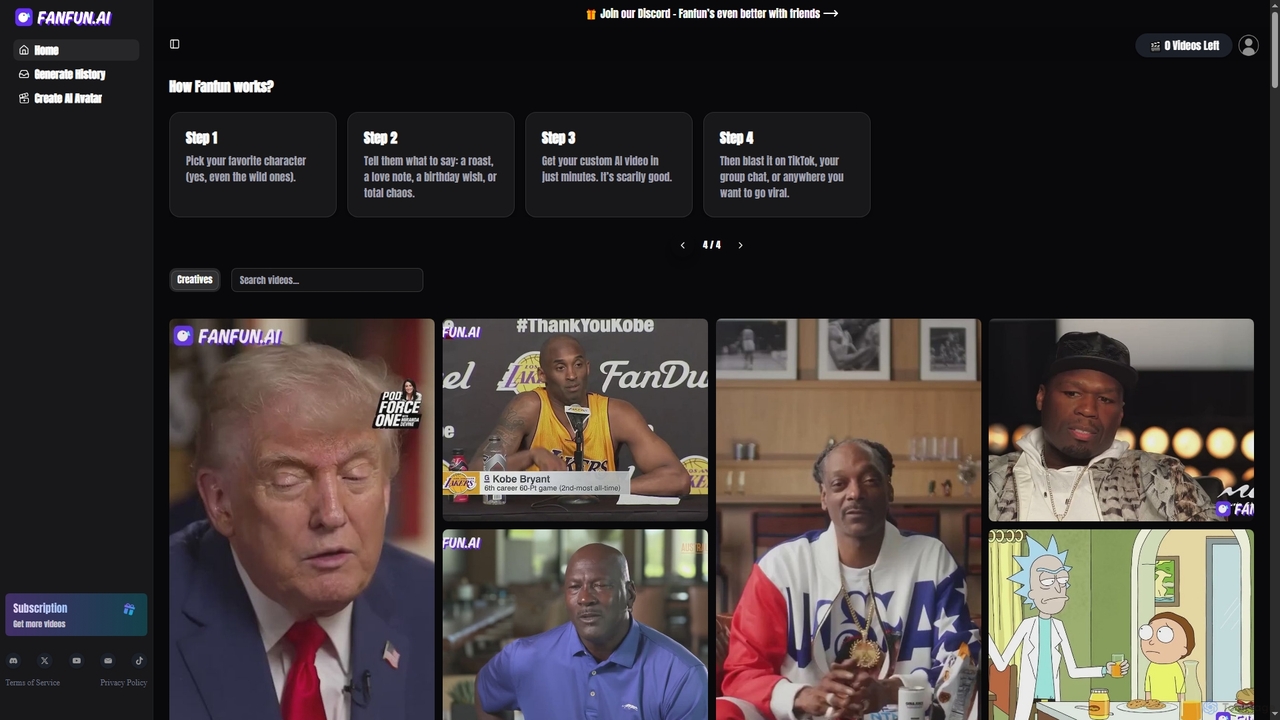
Fanfun is an AI-powered video generator that allows users to create captivating videos by cloning celebrity voices or …

5.5K

About Voice Cloning

Voice Cloning tools are AI applications that create a synthetic, digital replica of a specific human voice. By analyzing a short audio sample, these tools capture unique vocal characteristics like pitch, tone, and cadence to produce a realistic voice model. This technology enables the generation of new, natural-sounding speech in the cloned voice from any text input, serving a key role within the broader field of content creation. Advanced tools can even replicate emotional nuances and specific speaking styles, offering a high degree of realism for various applications.

Core Features

  • High-Fidelity Voice Replication: Captures and reproduces the unique timbre, pitch, and prosody of a specific voice for highly realistic output.
  • Text-to-Speech (TTS) with Cloned Voice: Generates new audio from any text input using the custom-created voice model.
  • Cross-Lingual Voice Synthesis: Enables the cloned voice to speak in multiple languages while retaining its core vocal identity.
  • Emotional and Stylistic Control: Provides options to adjust the emotional tone, speaking rate, and style of the generated speech.
  • API Access for Integration: Offers programmatic access for developers to integrate voice cloning capabilities into other applications and services.

Use Cases

Voice Cloning is widely used by content creators for producing consistent voiceovers for videos, podcasts, and audiobooks. In game development and animation, it's used for voicing characters. Businesses leverage it for creating branded voice assistants, personalized marketing messages, and localizing content for global audiences. It also serves critical accessibility functions, allowing individuals with speech impairments to communicate with a digital version of their own voice.

How to Choose

When selecting a Voice Cloning tool, evaluate the realism and quality of the generated voice. Consider the amount and quality of audio required for cloning—some need seconds, others require minutes of clear speech. Assess the range of supported languages and accents. Also, check for fine-tuning controls for emotion and style, and review the platform's ethical use policy and security measures to prevent misuse.

Voice CloningUse Cases

1

Create Consistent Podcast Voiceovers and Ads

A podcast producer needs to insert a last-minute ad read or an update into an episode, but the host is unavailable for recording. Instead of delaying the release, the producer uses a pre-existing, high-quality clone of the host's voice. They simply type the script for the ad or update, and the AI tool generates the audio in the host's signature voice, matching the tone of the rest of the episode. This ensures content consistency and meets deadlines without requiring the physical presence of the speaker for every minor audio addition.

2

Localize Video Content with a Consistent Voice

An e-learning company wants to expand its market by offering its popular English video courses in Spanish and German. To maintain brand recognition and the instructor's familiar voice, they use a cross-lingual voice cloning tool. After translating the scripts, the tool generates the narration for the Spanish and German versions using a synthetic voice that retains the core characteristics of the original English instructor. This approach is faster and more cost-effective than hiring multiple voice actors and ensures a consistent learning experience for students worldwide.

3

Prototype Voice Lines for Video Game Characters

An indie game developer is in the early stages of creating a story-rich game with numerous non-player characters (NPCs). Hiring voice actors for all placeholder dialogue is too expensive. The developer uses a voice cloning tool to create several distinct voice profiles from a small set of sample audio. They can then generate all the dialogue for prototyping, allowing them to test narrative flow, character interactions, and game timing. This allows for rapid iteration on the script and story before committing to the high cost of professional voice actor recording sessions.

4

Generate Narration for Audiobooks and E-Learning

An independent author wants to convert their new novel into an audiobook but lacks the budget for a professional narrator and studio time. Using a voice cloning tool, they record several hours of their own voice to create a high-quality, expressive clone. The tool then processes the entire manuscript, generating the full audiobook narration in the author's own voice. This empowers the author to create a personal and authentic listening experience for their readers, control the creative process, and bring their work to a new audience without significant upfront investment.

5

Build a Branded Voice for a Virtual Assistant

A technology company is developing a custom virtual assistant for its new smart home device. Instead of using a generic, robotic voice, they want a unique and welcoming voice that reflects their brand identity. They hire a voice actor for a single recording session to capture the desired tone. This audio is used to create a voice clone, which is then integrated into the assistant's software via an API. Now, the assistant can respond to any user query with a consistent, on-brand voice, creating a more personal and memorable user experience that sets their product apart.

6

Preserve a Voice for Accessibility Communication

An individual diagnosed with a degenerative condition like ALS (Amyotrophic Lateral Sclerosis) is at risk of losing their ability to speak. To preserve their identity and means of communication, they use a 'voice banking' service powered by voice cloning technology. While they can still speak clearly, they record a series of phrases. This creates a high-quality digital replica of their voice. Later, when they can no longer speak, this cloned voice can be connected to a text-to-speech device, allowing them to communicate with family and friends using a voice that is recognizably their own, rather than a generic synthetic one.

Voice CloningFrequently Asked Questions