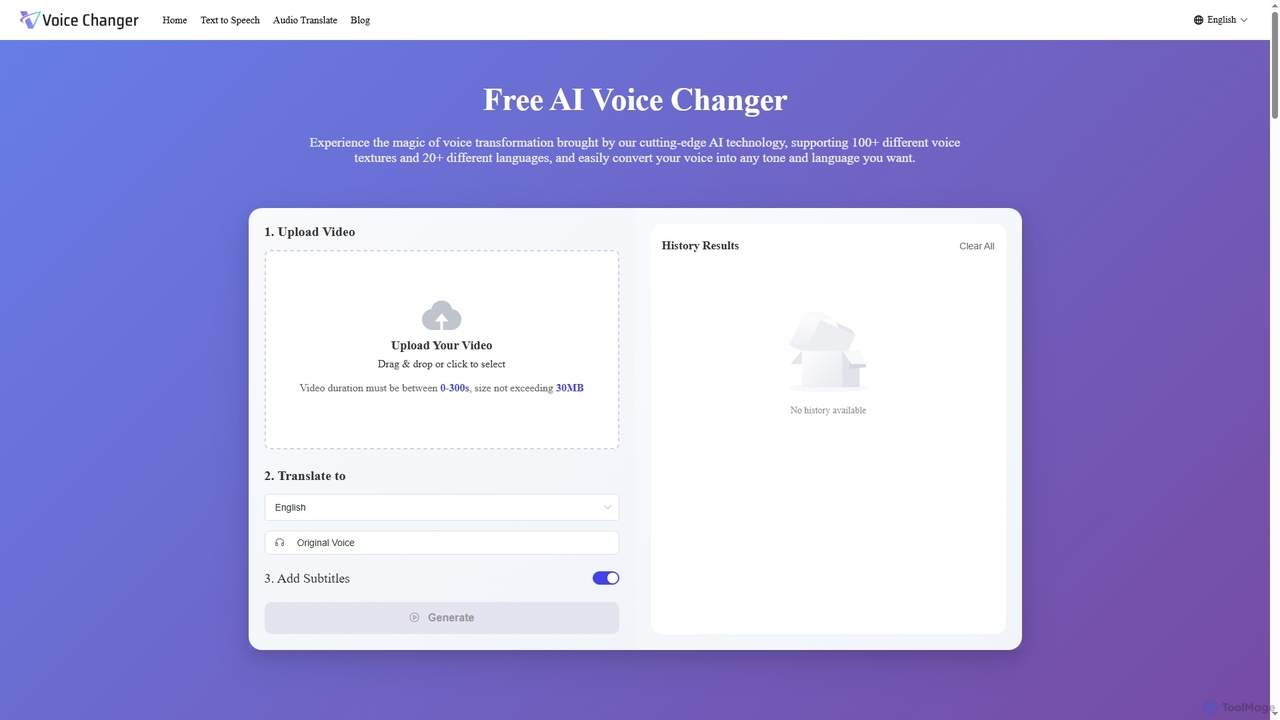
Voiceovers are AI-powered tools that convert written text into natural-sounding spoken audio, serving as a cornerstone for modern content creation. These tools leverage advanced text-to-speech (TTS) technology and deep learning models to synthesize human-like voices, offering a diverse range of tones, emotions, and languages. They provide an incredibly efficient and scalable solution for adding narration, dialogue, or informational audio to various digital content, from videos to interactive applications. This technology significantly reduces the time and cost associated with traditional voice recording, making professional-grade audio production accessible to a wider range of creators and businesses.
Core Features
- Text-to-Speech (TTS) Conversion: Transforms written scripts into highly realistic and natural-sounding spoken words, often indistinguishable from human speech.
- Multi-language & Accent Support: Offers an extensive library of languages and regional accents, enabling global content localization and broader audience reach.
- Voice Customization & Selection: Allows users to choose from a diverse catalog of AI voices, adjusting parameters like pitch, speaking speed, volume, and even emotional nuances (e.g., joyful, serious, empathetic).
- SSML (Speech Synthesis Markup Language) Integration: Provides advanced control over speech output, enabling precise adjustments for pronunciation, pauses, emphasis, and even breathing sounds for enhanced realism.
- Audio Export & Editing: Facilitates the export of generated audio in various common formats (e.g., MP3, WAV) and often includes built-in tools for basic editing, trimming, and merging audio segments.
Applicable Scenarios
AI voiceover tools are indispensable across numerous industries, particularly for content creators, educators, and marketers. In video production, they are widely used for explainer videos, documentaries, advertisements, and social media content, providing consistent, high-quality narration without the need for professional voice actors or studio time. E-learning platforms utilize these tools to create engaging course materials, tutorials, and interactive lessons, ensuring accessibility for diverse learners and standardized delivery of educational content. Furthermore, podcasters and audiobook producers can efficiently generate high-quality audio content, expanding their reach and significantly accelerating their production workflows, making it easier to publish new episodes or titles regularly.
How to Choose
When selecting an AI voiceover tool, several critical factors should guide your decision. Firstly, prioritize the naturalness and variety of available voices, as this directly impacts listener engagement and brand perception. Secondly, evaluate the range of supported languages and regional accents to ensure it aligns with your target audience and localization needs. Thirdly, look for advanced customization options such as emotion, pitch, and speed control, which are crucial for expressive and nuanced delivery. Finally, assess the pricing model, integration capabilities with your existing video or audio editing software, and the overall ease of use to ensure it seamlessly fits into your production workflow and budget constraints.