ToolMage
Sign in

Best 1 Writing Guides AI tools for Content Creation

Popular Writing Guides AI tools in Content Creation include Aiblogfirst, helping you work more efficiently.

Aiblogfirst

Aiblogfirst

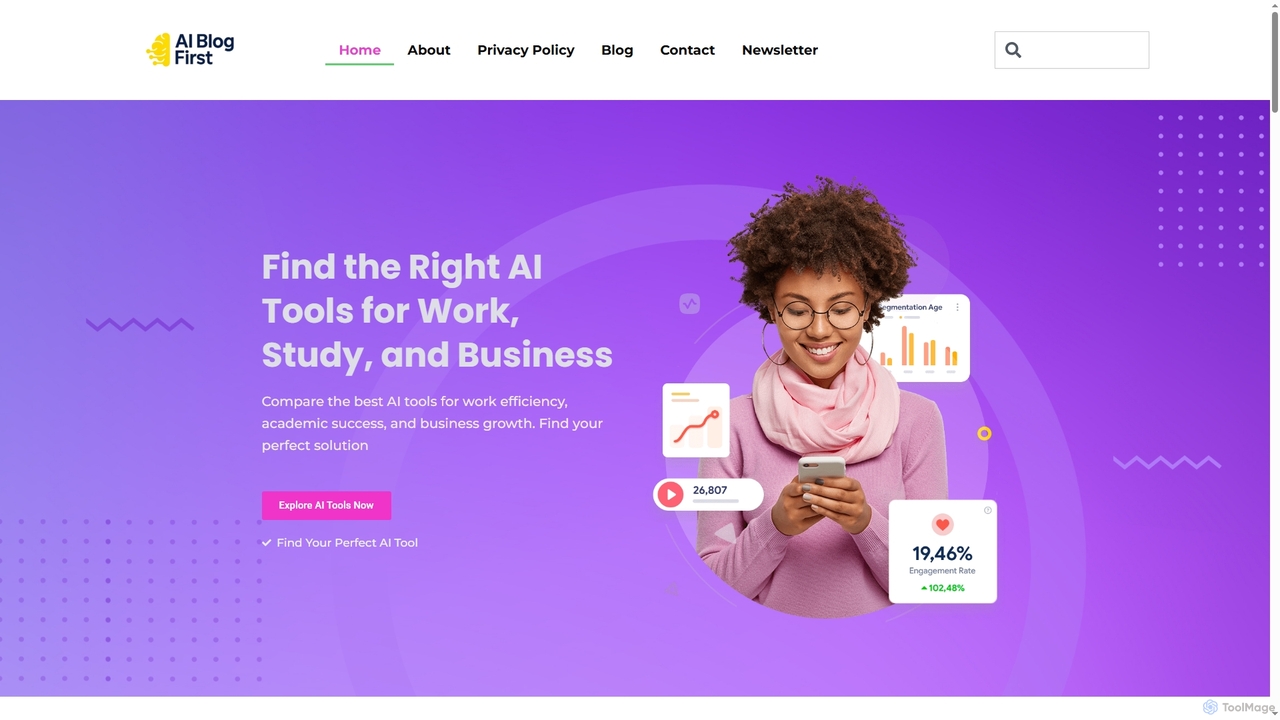
Aiblogfirst is a comprehensive platform offering expert insights, unbiased reviews, and practical guides on a wide array of AI tools. It helps individuals and businesses discover, compare, and effectively integrate AI solutions for enhanced productivity, content creation, marketing, and business growth across various domains.

Tool Directory
Visits 19.1KFavorites 159Likes 168

About Writing Guides

Writing Guides are AI-powered tools designed to enhance the quality, clarity, and effectiveness of written content. These tools leverage advanced natural language processing (NLP) to analyze text, offer stylistic improvements, and provide structural suggestions, thereby streamlining the content creation process. They assist users in refining their prose, ensuring grammatical correctness, and optimizing for specific audiences or purposes, making the writing journey more efficient and impactful.

Core Features

  • Style & Tone Analysis: Evaluates the overall writing style and tone, suggesting adjustments for consistency and audience appropriateness.
  • Grammar & Punctuation Correction: Identifies and corrects complex grammatical errors, punctuation mistakes, and spelling inaccuracies beyond basic checkers.
  • Structure & Flow Suggestions: Provides recommendations for improving sentence structure, paragraph coherence, and overall document organization.
  • Readability Score Optimization: Analyzes text complexity and offers ways to simplify language for better comprehension by the target audience.
  • Plagiarism Detection: Scans content against vast databases to identify potential instances of unoriginal text, ensuring academic and professional integrity.

Use Cases

These tools are invaluable for professionals across various sectors, including content creators, academics, marketers, and business communicators. They are used to polish drafts, ensure brand voice consistency, and meet specific publication standards. From refining academic papers to optimizing marketing copy, writing guides provide critical support at every stage of the writing process.

How to Choose

When selecting an AI writing guide, consider its accuracy in suggestions, the breadth of features (e.g., tone analysis, plagiarism check), integration capabilities with your existing writing tools, and language support. Evaluate its user interface for ease of use and ensure its pricing model aligns with your budget and usage frequency. Prioritize tools that offer clear, actionable feedback rather than generic advice.

Writing Guides use cases

1

Enhancing Academic Paper Quality

A university student uses an AI writing guide to meticulously review their research paper before submission. The tool identifies complex grammatical errors, suggests more concise phrasing for clarity, and ensures a consistent academic tone throughout the document. This process helps the student refine their arguments, improve overall readability, and meet stringent submission standards, ultimately contributing to a higher-quality paper and better grades.

2

Optimizing Marketing Copy for Engagement

A digital marketer employs an AI writing guide to refine their ad copy, social media posts, and email newsletters. The tool analyzes the tone, suggests alternative phrasing to increase engagement, and optimizes for readability across different platforms. By ensuring the copy is persuasive, clear, and aligned with the brand's voice, the marketer can achieve higher click-through rates, better conversion, and a stronger connection with their target audience.

3

Ensuring Brand Voice Consistency in Corporate Communications

A corporate communications team utilizes an AI writing guide to maintain a consistent brand voice across all internal and external documents, including press releases, reports, and employee handbooks. The tool helps enforce style guidelines, identify deviations from the established tone, and suggest improvements to align with the company's messaging strategy. This ensures a unified and professional image, enhancing credibility and clarity in all corporate communications.

4

Refining Creative Writing and Storytelling

An aspiring author uses an AI writing guide to refine their novel manuscript or short stories. The tool provides feedback on narrative flow, character dialogue consistency, and descriptive language, helping to polish the prose without stifling creativity. It can suggest stronger verbs, more vivid adjectives, and improve sentence variety, enabling the author to present a more compelling and engaging story to their readers.

5

Improving Readability for Technical Documentation

A technical writer uses an AI writing guide to ensure their user manuals, API documentation, and help articles are easily understandable by a diverse audience, including non-technical users. The tool analyzes text complexity, identifies jargon, and suggests simpler vocabulary or sentence structures. This leads to clearer, more accessible documentation, reducing support inquiries and improving user satisfaction with complex products or services.

6

Streamlining Content Editing for Bloggers and Publishers

Bloggers and online publishers leverage AI writing guides to quickly edit and proofread their articles before publication. The tools automate the detection of grammatical errors, stylistic inconsistencies, and awkward phrasing, significantly reducing manual editing time. This allows content creators to maintain a high volume of quality output, ensuring their content is polished, professional, and engaging for their audience without extensive human review.

Writing Guides FAQ

What are AI Writing Guides?

AI Writing Guides are advanced software tools that leverage artificial intelligence to assist users in improving the quality and effectiveness of their written content. They go beyond basic spell-checking by analyzing text for grammar, punctuation, style, tone, and readability, offering intelligent suggestions for refinement. These tools act as a sophisticated co-editor, helping writers produce polished, professional, and impactful documents across various contexts.

How do AI Writing Guides differ from AI Writers?

AI Writing Guides primarily focus on *refining and improving* existing human-written text. They analyze your draft for errors, stylistic inconsistencies, and areas for enhancement, providing suggestions to elevate the quality. In contrast, AI Writers are designed to *generate* new content from scratch based on prompts or keywords. While both use AI for text, guides enhance what you've already written, whereas writers create original content.

Who can benefit most from using AI Writing Guides?

A wide range of individuals and professionals can benefit significantly from AI Writing Guides. This includes students and academics needing to polish papers, content creators and bloggers aiming for engaging posts, marketers optimizing ad copy, and business professionals crafting clear corporate communications. Non-native speakers also find these tools invaluable for ensuring grammatical accuracy and natural phrasing, making high-quality writing accessible to everyone.

What key features should I look for in an AI Writing Guide?

When selecting an AI Writing Guide, prioritize tools that offer comprehensive grammar and punctuation correction, advanced style and tone analysis, and suggestions for improving sentence structure and overall flow. Look for features like readability score optimization, which helps tailor content for your audience, and plagiarism detection to ensure originality. Integration with your existing writing platforms and robust language support are also crucial for a seamless workflow.

Can AI Writing Guides help with specific writing styles or industries?

Yes, many AI Writing Guides are designed with adaptability in mind, offering features that cater to specific writing styles or industries. Some tools provide specialized checks for academic writing, ensuring adherence to citation styles and formal language. Others focus on marketing copy, suggesting improvements for SEO and persuasive language. By configuring the tool to your specific needs, you can receive highly relevant and targeted feedback, making it versatile for various professional and creative fields.