ToolMage
Sign in

Best 2 Writing Assistant for Content Generation

Popular Writing Assistant in Content Generation include ParallelChat and Implify AI, helping you work more efficiently.

Implify AI

Implify AI

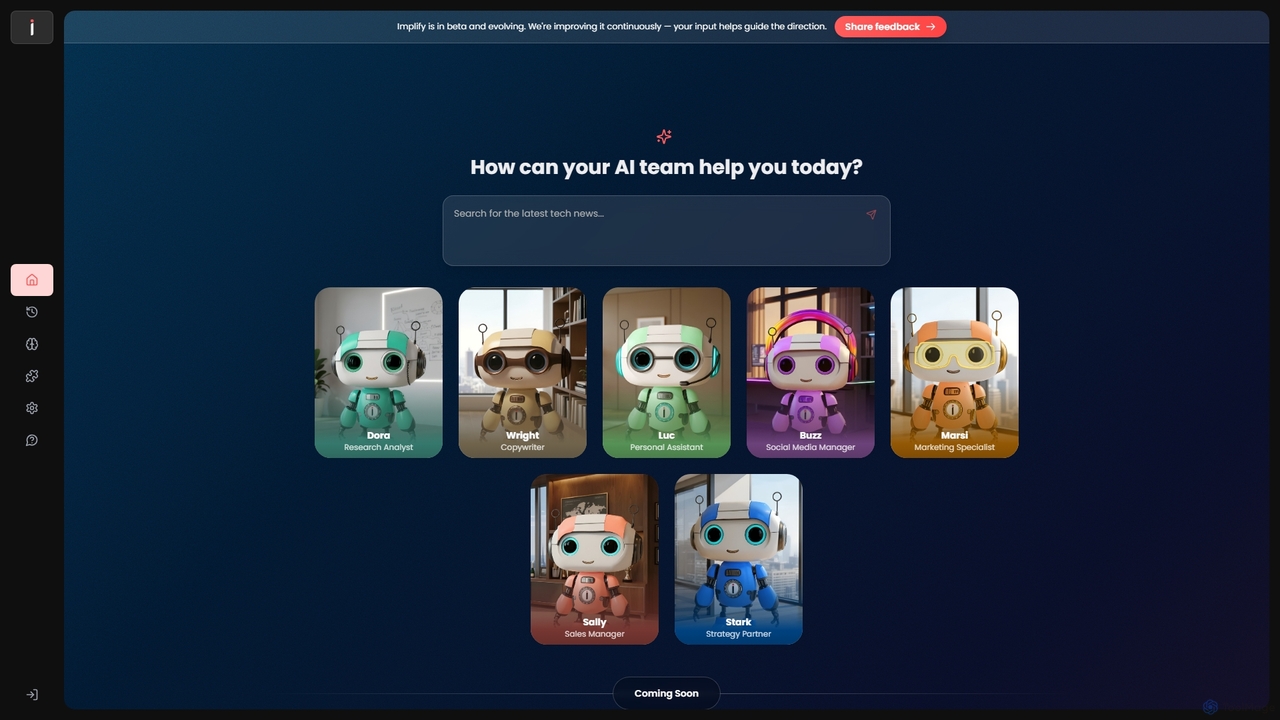
Implify AI provides a 24x7 AI workforce designed to automate and assist across various business functions. Currently in beta, it offers specialized AI agents for tasks like research, copywriting, social media management, and strategic planning, continuously evolving with user feedback.

Automation
Visits 4.6KFavorites 35Likes 37
ParallelChat
Free

ParallelChat

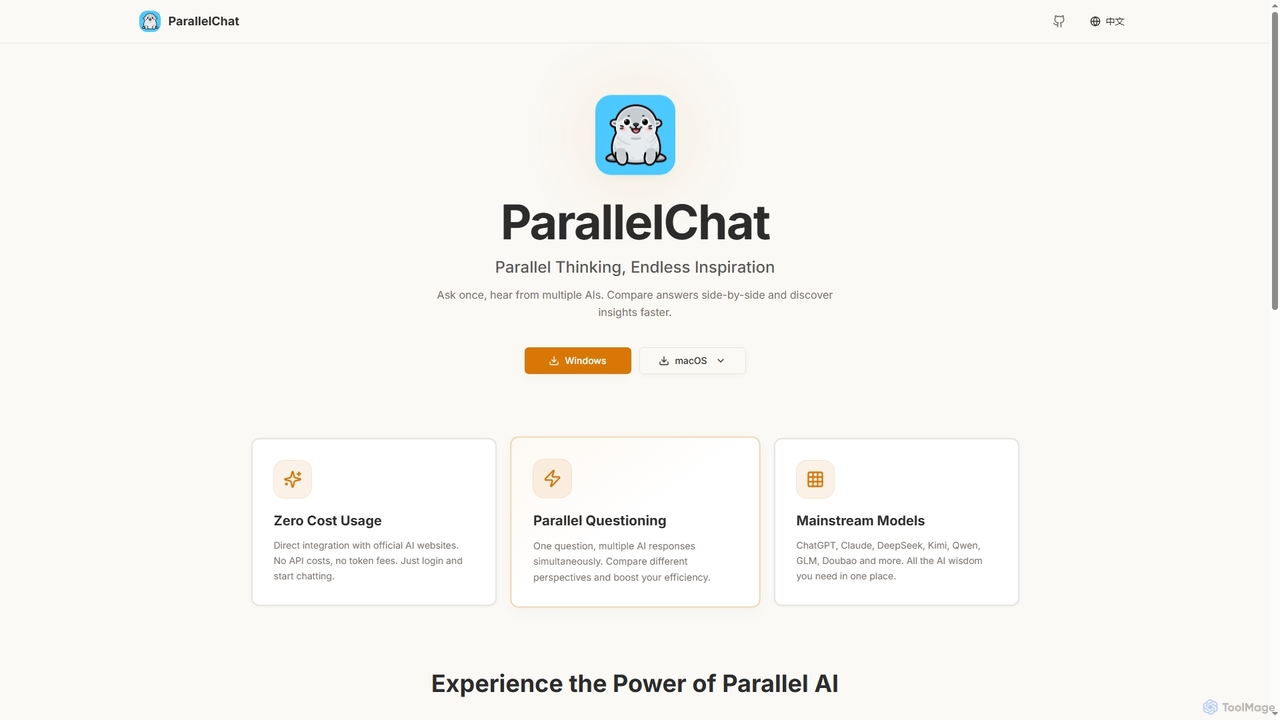
ParallelChat is a desktop application for Windows and macOS that allows users to query multiple AI models simultaneously and compare their responses side-by-side. It integrates popular AIs like ChatGPT, Claude, and DeepSeek, offering diverse perspectives to boost efficiency and find better answers faster.

Writing Assistant
Visits 4.7KFavorites 122Likes 123

About Writing Assistant

Writing Assistant tools are AI-powered applications designed to enhance and streamline the writing process. They leverage natural language processing (NLP) and machine learning to assist users with grammar, style, clarity, and content generation. These tools significantly boost productivity for content creators, marketers, and professionals by automating repetitive tasks and providing intelligent suggestions.

Core Features

  • Grammar & Spelling Correction: Identifies and corrects grammatical errors, punctuation mistakes, and spelling inaccuracies in real-time.
  • Style & Tone Adjustment: Suggests improvements for writing style, tone, and readability to match specific audiences or purposes.
  • Content Generation & Expansion: Helps generate outlines, draft paragraphs, expand on ideas, or create variations of existing text.
  • Plagiarism Detection: Scans text for originality and identifies potential instances of plagiarism, ensuring content integrity.
  • Summarization & Paraphrasing: Condenses long texts into concise summaries or rephrases content while maintaining its original meaning.

Use Cases

Writing assistants are indispensable for professionals across various sectors. Content marketers use them to quickly draft engaging social media posts and blog articles. Academics and students rely on them for proofreading research papers and essays. Business professionals leverage these tools to refine emails, reports, and presentations, ensuring clear and impactful communication.

How to Choose

When selecting a writing assistant, consider its core functionalities, such as advanced grammar checking, style suggestions, or content generation capabilities. Evaluate its integration with your existing workflows and platforms. Assess the accuracy and naturalness of its AI output, and compare pricing models based on your usage needs. User interface and ease of use are also crucial for a seamless experience.

Writing Assistant use cases

1

Enhancing Blog Post Quality and Speed

Content creators and bloggers utilize writing assistants to refine their articles. By inputting a draft, the AI tool can suggest improvements for sentence structure, vocabulary, and overall readability. It helps ensure consistent tone, corrects grammatical errors, and can even generate alternative headlines, significantly reducing editing time and improving the final output's engagement.

2

Drafting Marketing Copy for Campaigns

Marketing professionals use writing assistants to generate compelling ad copy, social media posts, and email newsletters. The tools can take a brief description of a product or campaign goal and produce multiple variations of persuasive text. This accelerates content production for various channels, allowing marketers to test different messages and optimize campaign performance efficiently.

3

Proofreading Academic Papers and Reports

Students, researchers, and academics employ writing assistants for meticulous proofreading of their academic work. These tools identify complex grammatical errors, citation style inconsistencies, and suggest clearer phrasing for technical language. This ensures high-quality, error-free submissions, helping authors maintain academic integrity and focus on the substantive content of their research.

4

Streamlining Business Communication

Business professionals leverage writing assistants to improve the clarity and professionalism of their daily communications. From crafting concise emails to structuring comprehensive reports and presentations, the tools provide real-time feedback on tone, conciseness, and impact. This ensures messages are effectively conveyed, saving time and enhancing corporate image.

5

Generating Creative Content Ideas and Outlines

Authors, screenwriters, and creative writers use writing assistants to overcome writer's block and generate new ideas. By providing a theme or a few keywords, the AI can suggest plot points, character descriptions, or even full story outlines. This serves as a powerful brainstorming partner, helping to kickstart the creative process and explore diverse narrative possibilities.

6

Localizing and Adapting Content for Global Audiences

Global content teams use writing assistants to adapt existing content for different linguistic and cultural contexts. While not full translation, these tools can help rephrase sentences to better suit local idioms, adjust tone for cultural nuances, and ensure clarity across diverse audiences. This facilitates efficient content localization, maintaining brand consistency worldwide.

Writing Assistant FAQ

What are Writing Assistant tools?

Writing Assistant tools are AI-powered software designed to help users improve their written content. They leverage natural language processing (NLP) to offer real-time suggestions for grammar, spelling, style, and clarity. These tools aim to enhance writing quality, boost productivity, and ensure effective communication across various contexts, from academic papers to marketing copy.

How do Writing Assistants differ from traditional spell checkers?

Writing Assistants go beyond basic spell checking by offering comprehensive grammar, punctuation, and style suggestions. While spell checkers only flag incorrect words, writing assistants analyze sentence structure, tone, readability, and even suggest alternative phrasing. They provide deeper insights to improve overall writing quality, not just correct errors.

Who can benefit most from using a Writing Assistant?

Anyone who writes regularly can benefit from a writing assistant. This includes content creators, marketers, students, academics, business professionals, and even casual writers. They are particularly useful for those who need to produce high-quality, error-free content efficiently, or for non-native speakers looking to refine their language skills.

What are the key features to look for in a Writing Assistant?

When choosing a writing assistant, prioritize features like advanced grammar and punctuation correction, style and tone suggestions, and plagiarism detection. Content generation capabilities, such as paraphrasing or text expansion, are also valuable. Consider integration with your preferred writing platforms and the accuracy of its AI suggestions for your specific needs.

Can Writing Assistants replace human editors?

No, Writing Assistants are powerful tools but cannot fully replace human editors. They excel at identifying common errors, suggesting stylistic improvements, and boosting efficiency. However, human editors provide nuanced understanding of context, creative input, and critical thinking that AI currently lacks. They are best used as a complementary tool to enhance, not substitute, human editorial oversight.