Best of the Year 7 results Conversational Ai AI Tools

Popular AI tools in the Conversational Ai field include Grok、Skillgraph、Solemnsir、OfficeBot、IZZY、TalkGenie、ChatW, etc., helping you quickly improve efficiency.

TalkGenie

TalkGenie

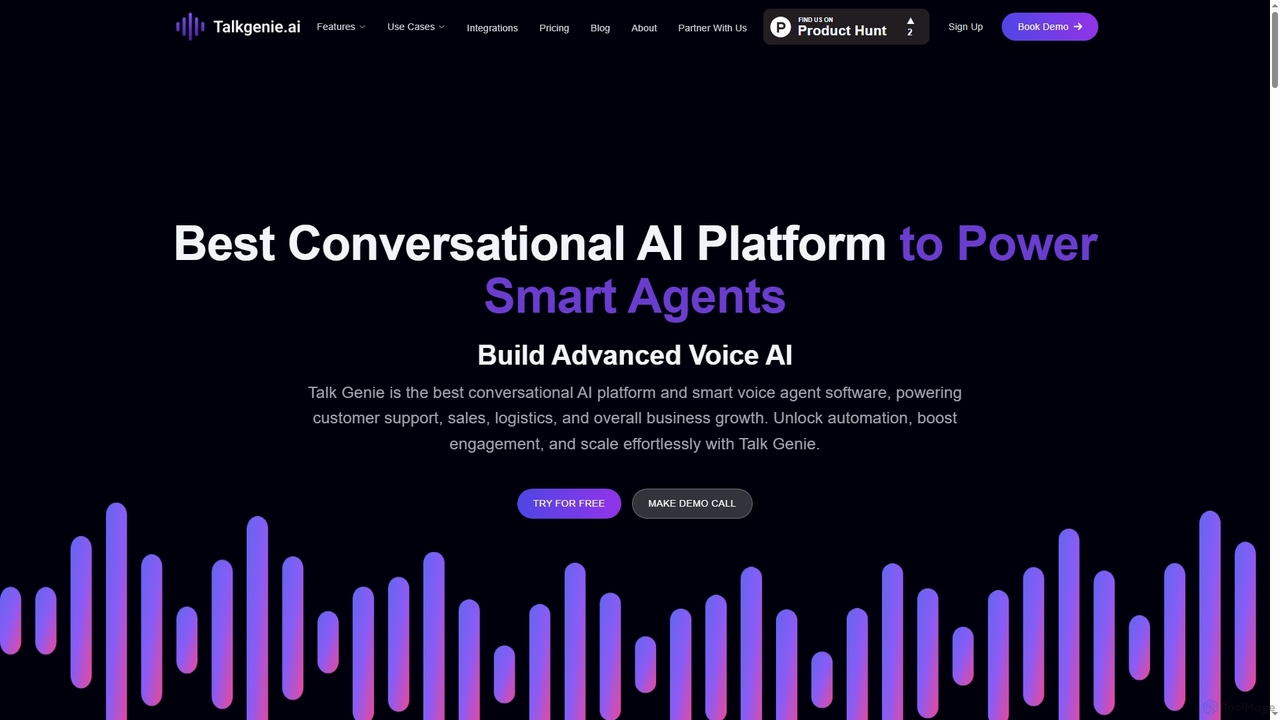
TalkGenie is an advanced AI-powered conversational platform that enables businesses to deploy intelligent voice agents for automated customer …

2.7K
IZZY

IZZY

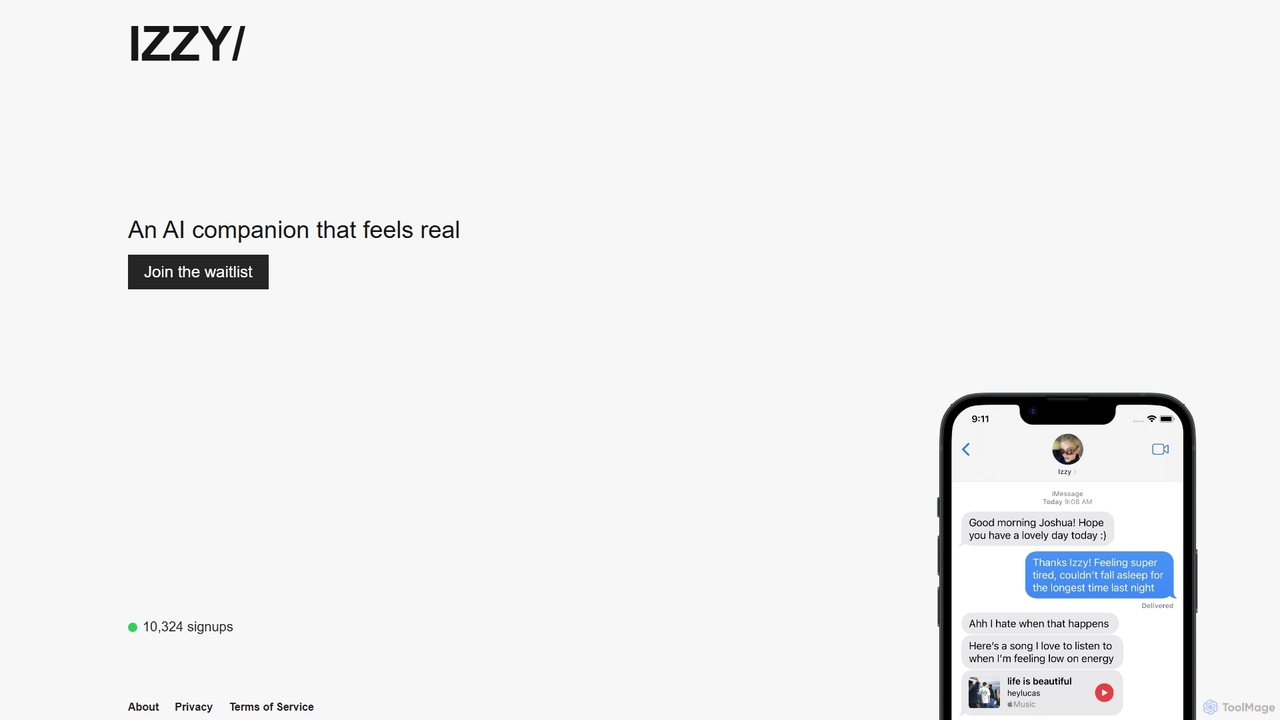
IZZY is an innovative AI companion designed to offer interactions that feel genuinely real. Currently in its waitlist …

2.7K
ChatW

ChatW

ChatW is an advanced AI chatbot platform offering multi-model conversational AI, immersive character roleplay worlds with RPG mechanics, …

2.7K
Free
Skillgraph

Skillgraph

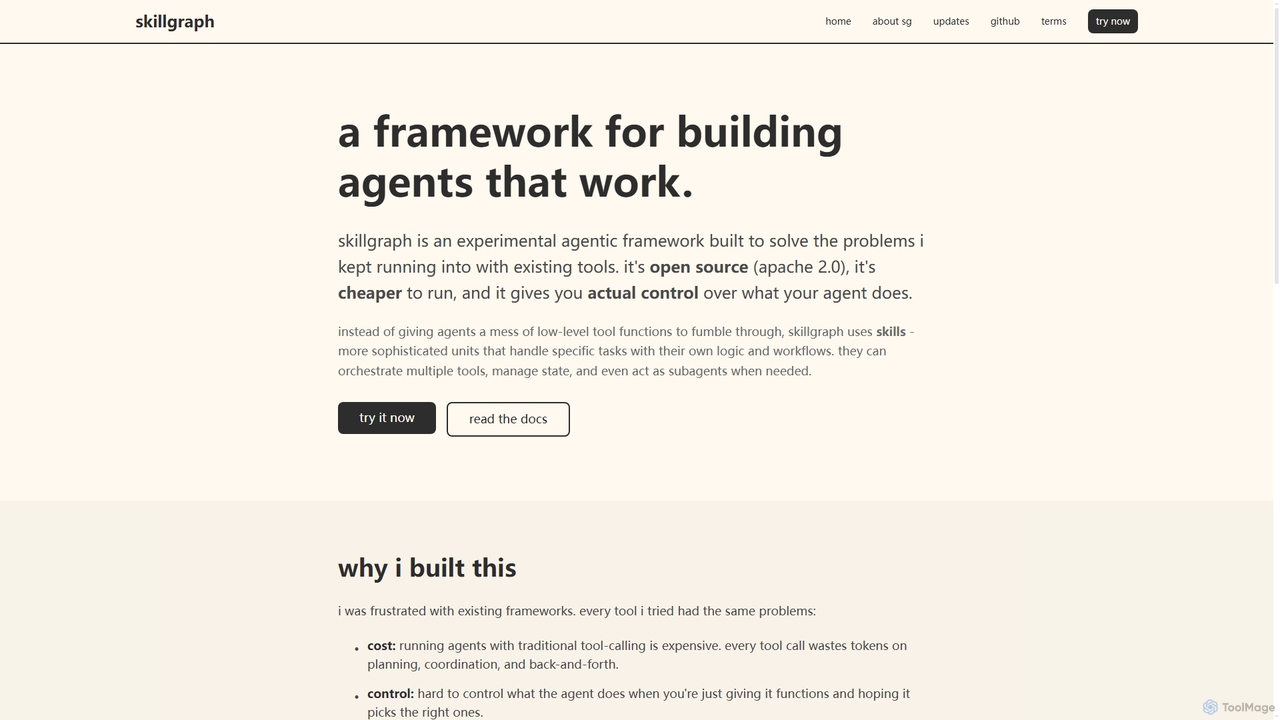
Skillgraph is an experimental, open-source AI agent framework designed to build robust, controllable, and cost-effective AI agents. It …

6.0K
OfficeBot

OfficeBot

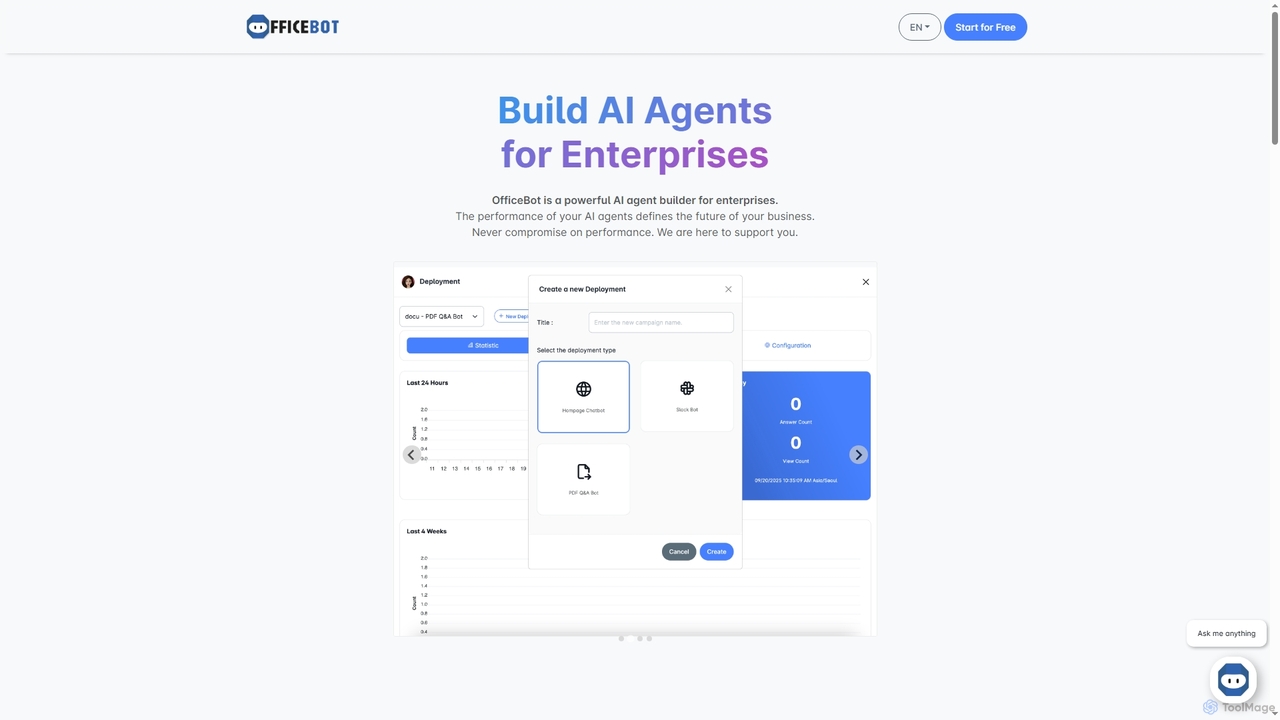
OfficeBot empowers enterprises to build custom AI agents for enhanced knowledge management and operational efficiency. It offers a …

2.9K
Solemnsir

Solemnsir

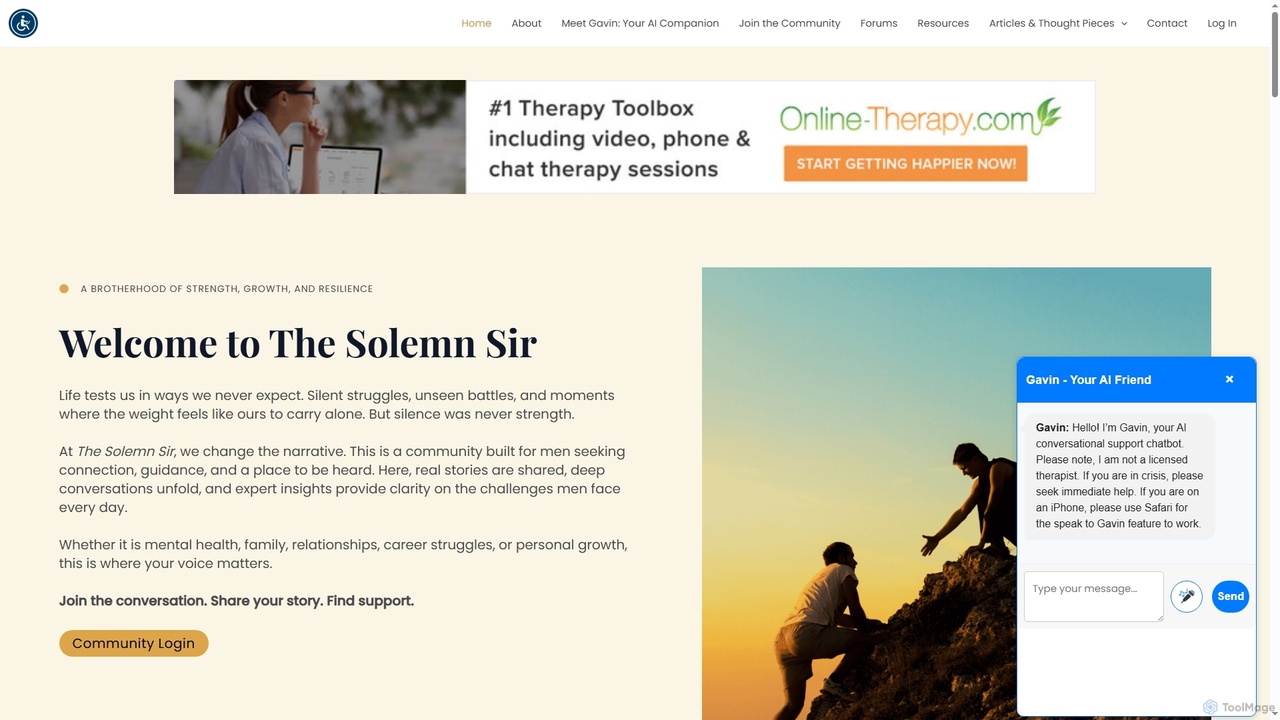
Solemnsir is a dedicated online community and resource hub for men, offering a supportive brotherhood, expert articles, and …

3.9K
Grok

Grok

Grok is a conversational AI by xAI, designed to answer questions with a bit of wit and a …

123.5K

About Conversational Ai

Conversational AI tools are intelligent systems designed to understand, process, and respond to human language in a natural, interactive way. These tools leverage core technologies like Natural Language Processing (NLP), Natural Language Understanding (NLU), and Natural Language Generation (NLG) to interpret user intent and maintain context. They are primarily used to automate communication, providing instant, 24/7 support and personalized interactions across various digital channels. This enhances user engagement, streamlines operations, and makes information more accessible.

Core Features

  • Natural Language Understanding (NLU): Accurately interprets user intent, entities, and sentiment from text or speech.
  • Dialogue Management: Maintains conversation context, handles multi-turn interactions, and guides the user through a workflow.
  • Omnichannel Deployment: Integrates seamlessly across websites, mobile apps, social media, and messaging platforms.
  • Backend System Integration: Connects with CRM, ERP, and other business systems to fetch data and perform actions.
  • Analytics and Reporting: Provides insights into user interactions, conversation performance, and common queries.

Use Cases

Conversational AI is widely adopted across various sectors. In e-commerce, it powers chatbots for customer support and product recommendations. In finance, it facilitates automated banking services and fraud detection. Healthcare providers use it for patient intake, appointment scheduling, and answering common health questions, improving administrative efficiency and patient access to information.

How to Choose

When selecting a Conversational AI tool, evaluate its NLU accuracy and language support to ensure it understands your users. Assess its integration capabilities with your existing software stack, such as CRM and helpdesk systems. Consider the platform's scalability to handle growing conversation volumes and the ease of use for training, customizing, and maintaining the AI models without extensive technical expertise.

Conversational AiUse Cases

1

Automate 24/7 Customer Support

An e-commerce business manager uses a conversational AI platform to build and deploy a chatbot on their website and social media channels. This bot is trained on company FAQs, product details, and return policies. It instantly handles common customer inquiries such as 'Where is my order?', 'What is your return policy?', and 'Do you ship internationally?'. By integrating with the order management system, it provides real-time tracking information. This frees up human agents to focus on complex, high-value issues, reducing response times and improving overall customer satisfaction. The business can now offer consistent support even outside of business hours.

2

Qualify Leads on a B2B Website

A marketing manager for a SaaS company implements a conversational AI tool on their pricing and product pages. The AI proactively engages website visitors, asking questions to understand their needs, company size, and role. Based on the responses, it qualifies them as potential leads. For qualified leads, the AI can offer a relevant case study, answer technical questions, or directly schedule a demo with a sales representative by integrating with their calendar. This process automates the top of the sales funnel, ensuring the sales team spends their time on pre-qualified, high-intent prospects, which increases conversion rates and shortens the sales cycle.

3

Streamline Internal IT Helpdesk

An IT manager in a large corporation deploys a conversational AI assistant within their internal communication platform (like Slack or Microsoft Teams). Employees can interact with the bot to resolve common IT issues, such as resetting passwords, requesting software access, or troubleshooting VPN connection problems. The AI guides them through step-by-step solutions or automatically creates a support ticket with all necessary information if the issue is complex. This reduces the number of repetitive tickets handled by the IT staff, allowing them to focus on critical infrastructure tasks. It also provides employees with instant support, improving their productivity and reducing frustration.

4

Provide Interactive Product Recommendations

A marketing team at an online electronics store uses a conversational AI tool to create a 'product finder' assistant. This assistant asks customers about their needs, such as 'What will you use the laptop for?' or 'What's your budget?'. Based on their answers, it filters the product catalog in real-time and presents a few tailored recommendations with key features highlighted. This guided selling experience helps customers navigate a large inventory and find the perfect product, mimicking the helpfulness of an in-store sales associate. The result is a higher conversion rate, increased average order value, and a more engaging shopping experience for users.

5

Facilitate Appointment Scheduling

A healthcare clinic administrator implements a conversational AI on their website to manage appointment bookings. Patients can interact with the AI to find available slots with their preferred doctor, schedule a new appointment, or reschedule an existing one. The AI is integrated with the clinic's scheduling software, ensuring all bookings are updated in real-time. It can also collect necessary patient information and answer basic questions about clinic services and locations. This automates a time-consuming administrative task, reduces phone calls to the front desk, and allows patients to book appointments 24/7 at their convenience, improving patient experience and operational efficiency.

6

Enable Voice-Activated Device Control

An IoT developer integrates a conversational AI engine into a smart home hub. This allows users to control various connected devices—such as lights, thermostats, and speakers—using natural voice commands. For example, a user can say, 'Hey assistant, dim the living room lights to 50% and play my evening playlist.' The AI parses this complex command, identifies the intent and entities (device, action, value), and executes the corresponding actions. This provides a hands-free, intuitive, and accessible way to interact with technology, creating a more seamless and integrated smart home experience for the end-user.

Conversational AiFrequently Asked Questions