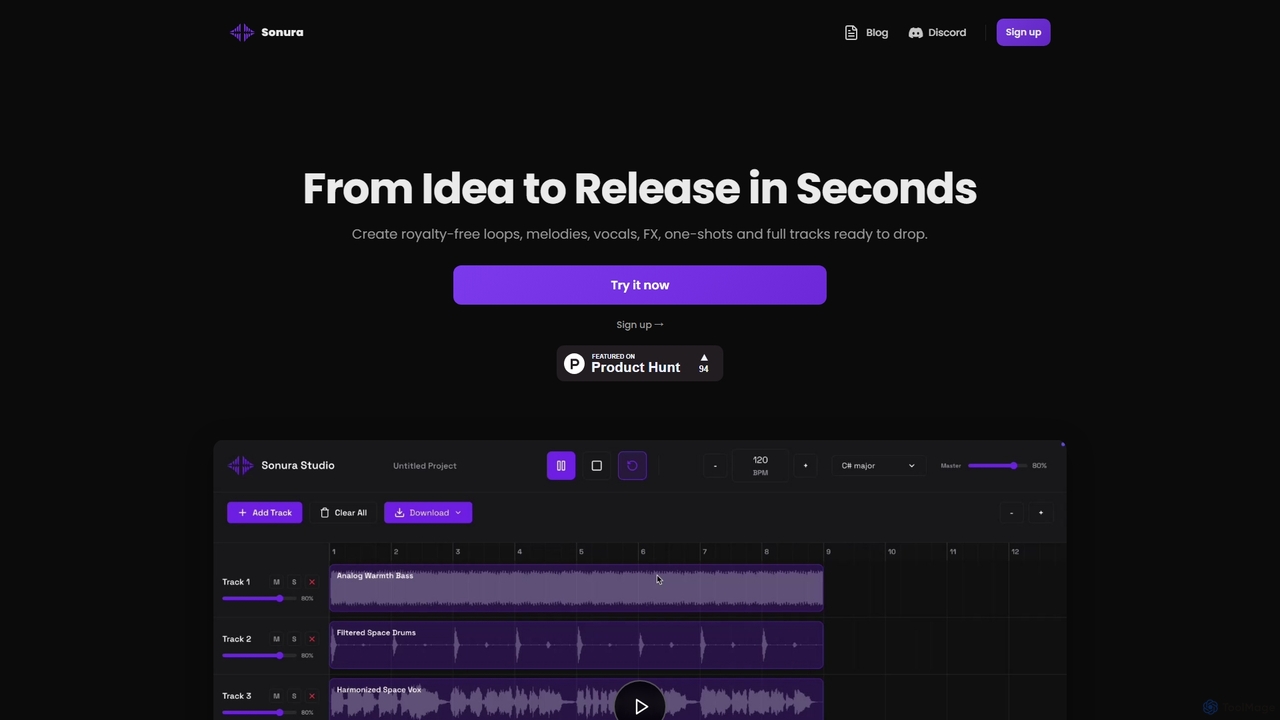
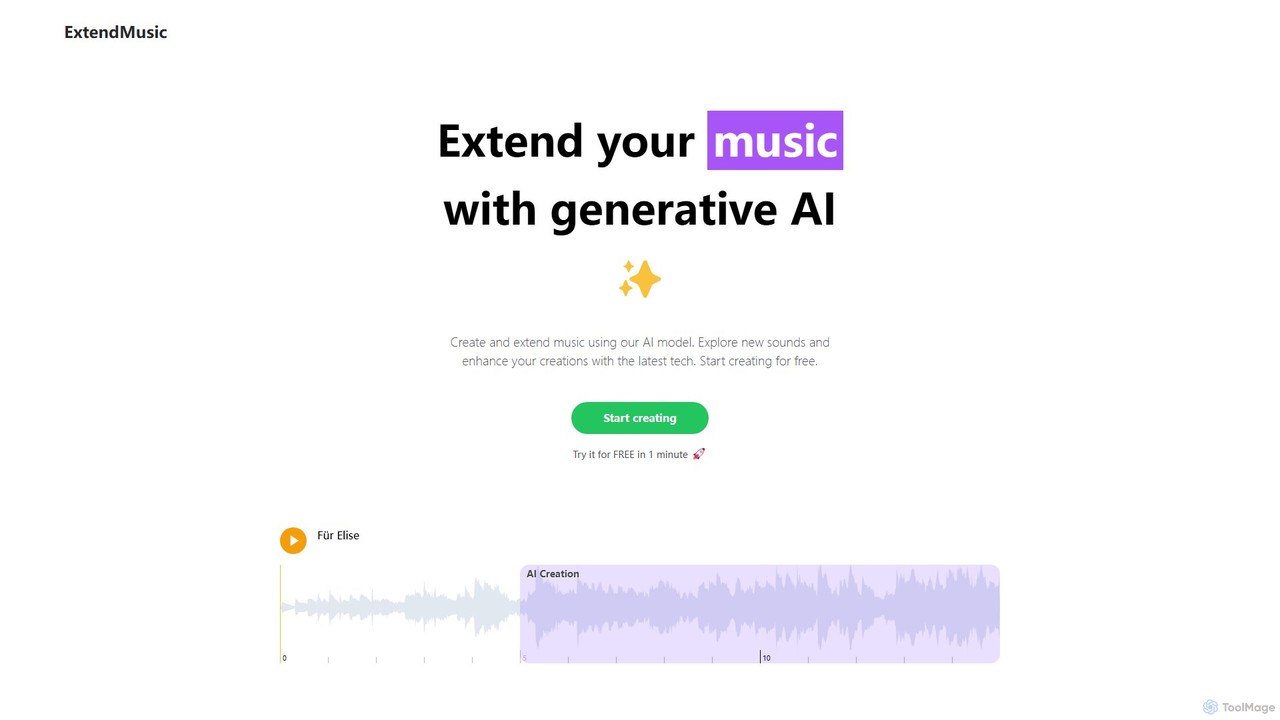
AI Music tools are a class of software that use artificial intelligence to generate, compose, and manipulate audio. They leverage deep learning models to understand patterns in melody, harmony, and rhythm, enabling the creation of original music from text prompts or style inputs. These tools are valuable for content creators needing royalty-free background tracks, musicians seeking inspiration, and producers looking to quickly prototype ideas. Some advanced tools can even separate vocals from instrumentals or generate realistic singing voices.
Core Features
- Text-to-Music Generation: Create original musical pieces and sound effects from simple text descriptions.
- Stem Separation: Isolate specific elements like vocals, drums, bass, and instruments from a single audio track.
- AI Composition & Arrangement: Generate melodies, chord progressions, and full song structures in various genres and moods.
- Vocal Synthesis & Cloning: Create realistic singing voices from text or clone an existing voice to perform new melodies.
- AI Mastering: Automatically analyze and enhance the final mix of a track for optimal loudness and clarity.
Use Cases
These tools are widely used by video creators and podcasters for custom, royalty-free soundtracks. Musicians and producers leverage them to break creative blocks or generate new ideas. Game developers and filmmakers use them to quickly score scenes and create immersive audio environments without the need for a large budget.
How to Choose
When selecting an AI Music tool, consider the audio quality and realism of the output. Evaluate the depth of customization options, such as control over tempo, key, and instrumentation. Critically review the licensing terms to ensure the generated music can be used for your intended commercial or personal projects. Finally, choose a tool based on your primary need, whether it's music generation, stem separation, or vocal synthesis.