Best of the Year 7 results Customer Engagement AI Tools

Popular AI tools in the Customer Engagement field include Replymer、StorifyMe、Interact、Solara、Askwork、Boutiq、Rock8, etc., helping you quickly improve efficiency.

Askwork

Askwork

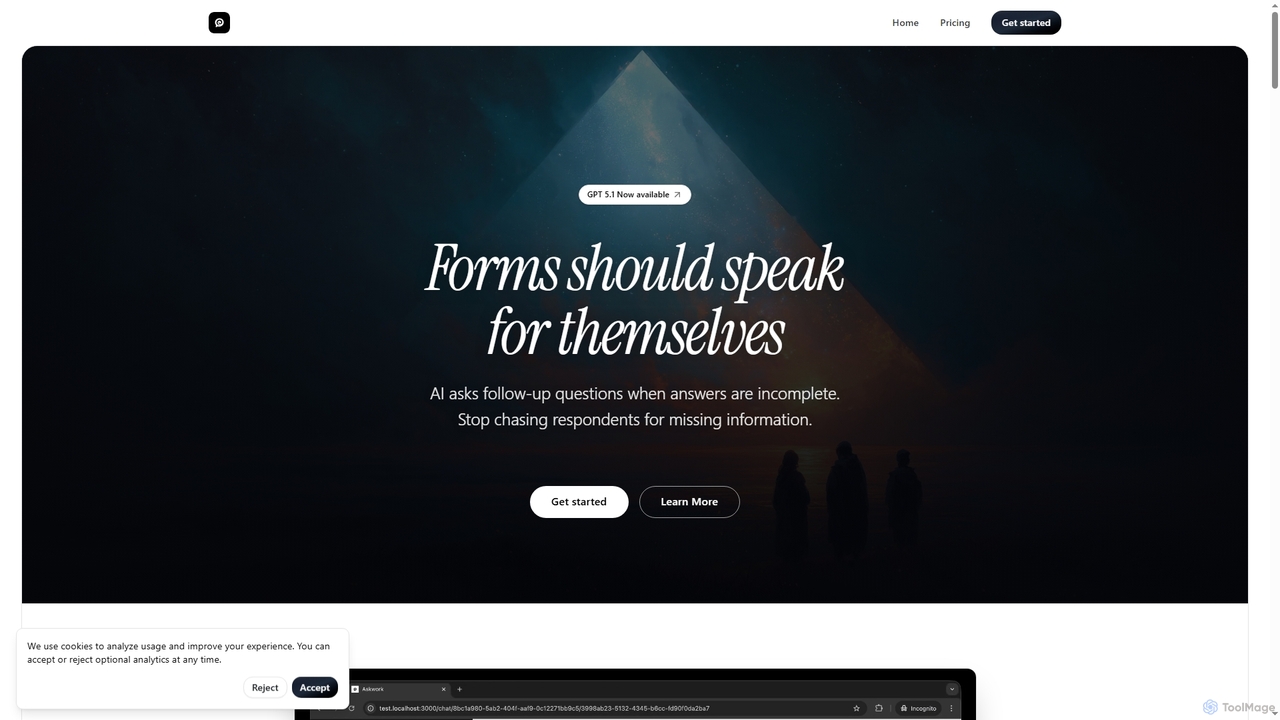
Askwork transforms static forms into dynamic, AI-powered conversations. It automatically asks follow-up questions, validates responses in real-time, and …

2.9K
Solara

Solara

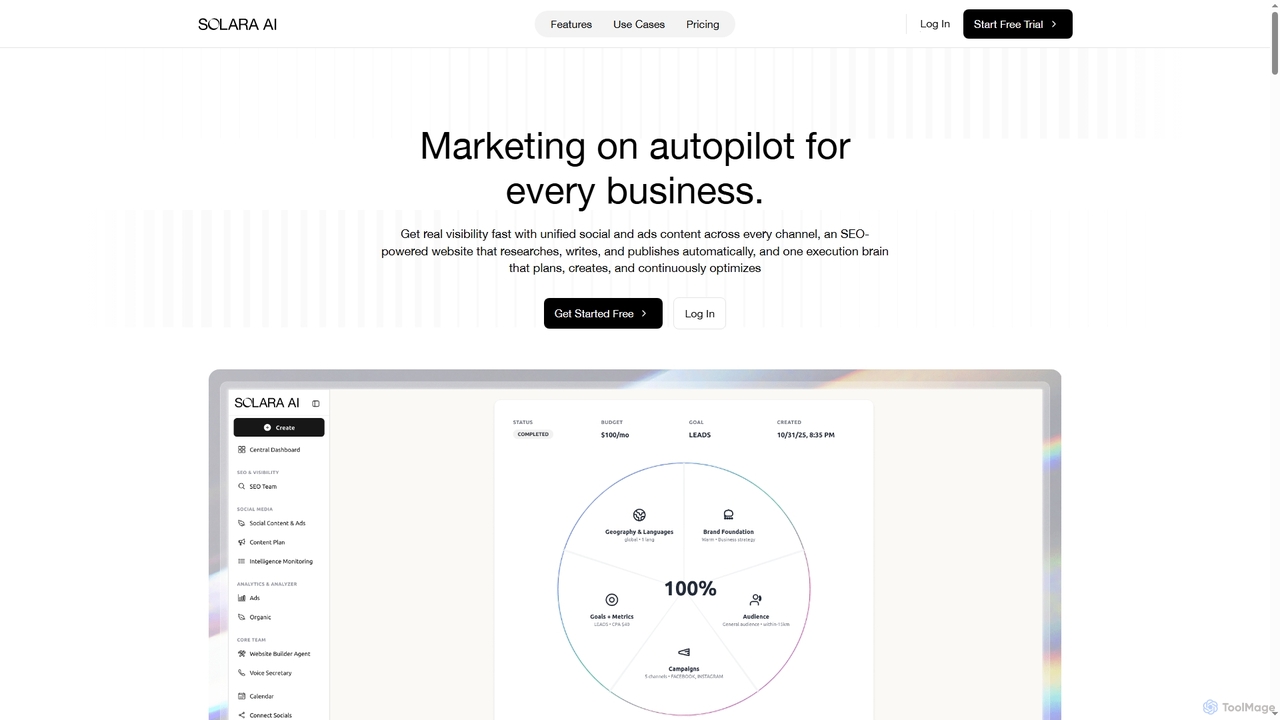
Solara is the first AI Marketing Agency, offering an all-in-one platform to automate website creation, SEO, content generation, …

5.5K
Rock8

Rock8

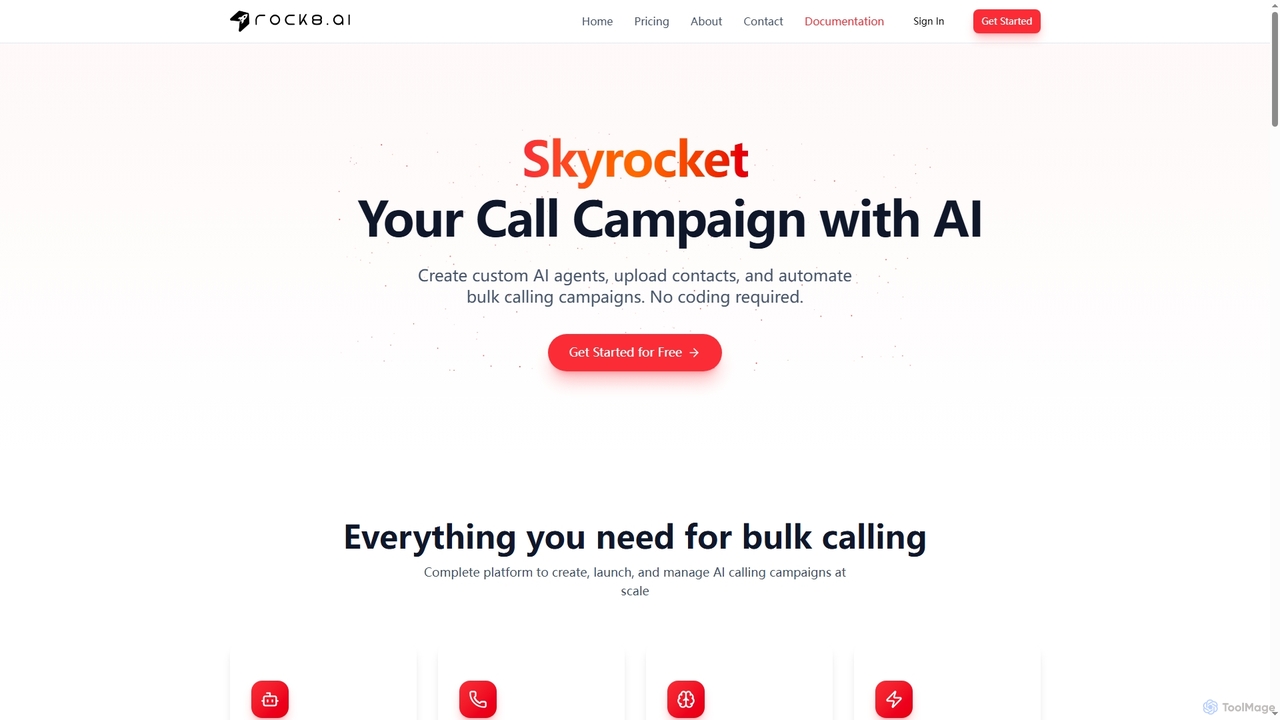
Rock8 is an AI-powered bulk calling platform designed for businesses to automate and scale outbound campaigns. It allows …

2.8K
Replymer

Replymer

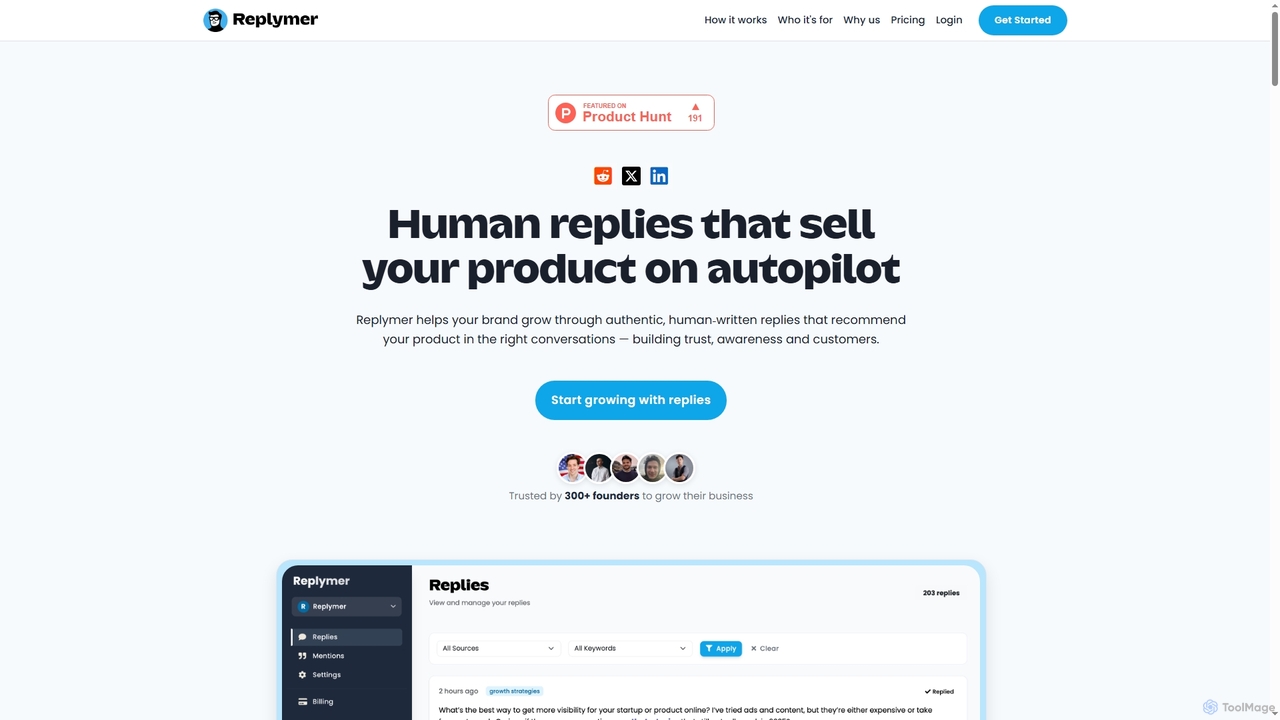
Replymer is a fully managed service that uses a team of professional human writers to find relevant online …

27.5K
Interact

Interact

Interact is an AI-powered quiz maker designed to boost marketing efforts. It helps businesses generate leads, increase audience …

8.1K
StorifyMe

StorifyMe

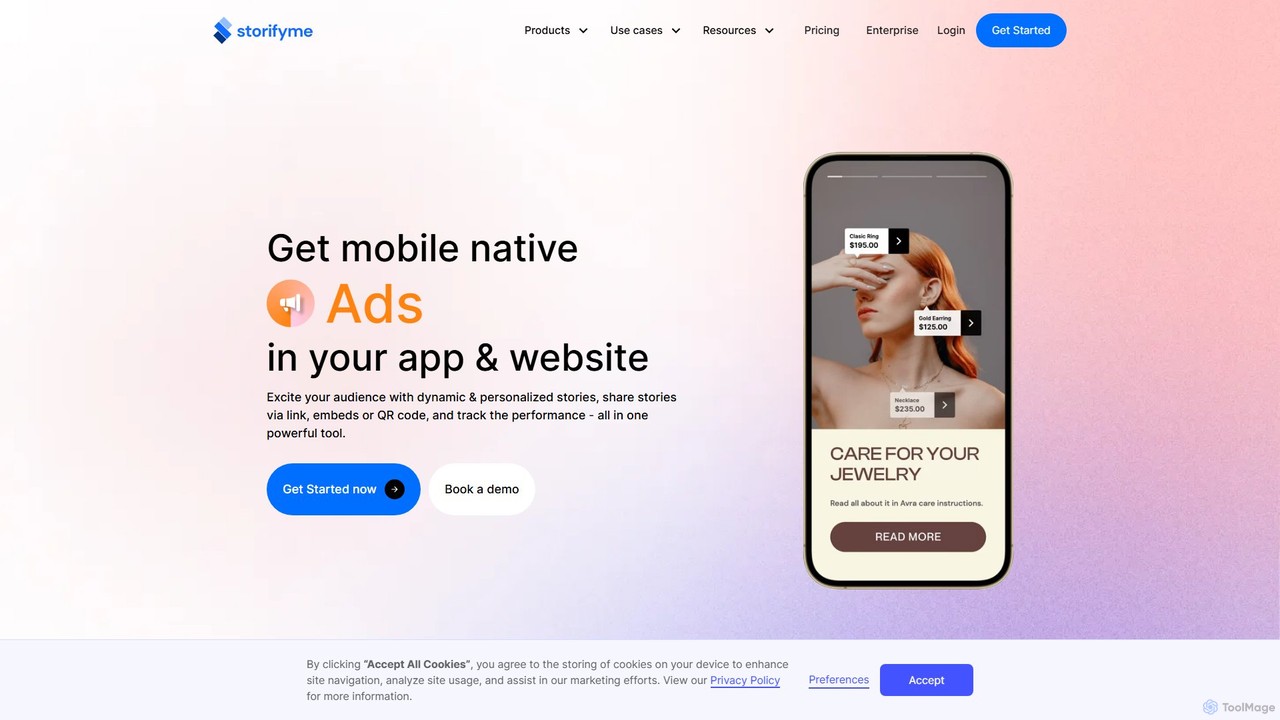
StorifyMe is an all-in-one platform for creating and embedding mobile-native, interactive content like stories, shorts, and ads directly …

13.1K
Boutiq

Boutiq

Boutiq is an AI-powered video clienteling platform for Shopify stores. It bridges the gap between online and in-store …

2.9K

About Customer Engagement

AI Customer Engagement tools are a class of software that uses artificial intelligence to manage, analyze, and automate interactions with customers. These tools leverage technologies like machine learning, natural language processing (NLP), and predictive analytics to understand customer behavior and personalize communication. They enable businesses to deliver timely, relevant, and consistent experiences across various channels such as websites, social media, and email. The primary goal is to foster stronger relationships, increase customer loyalty, and drive long-term growth by proactively meeting customer needs.

Core Features

  • AI-Powered Chatbots: Provide instant, 24/7 support and answer customer queries automatically.
  • Predictive Analytics: Forecast customer behavior, churn risk, and potential lifetime value.
  • Personalization Engines: Dynamically tailor content, product recommendations, and offers for individual users.
  • Sentiment Analysis: Analyze customer feedback from reviews and social media to gauge public opinion.
  • Automated Journey Orchestration: Create and automate multi-step communication workflows based on customer actions.

Use Cases

These tools are widely used in industries like e-commerce, SaaS, finance, and telecommunications. Marketing teams use them for personalized campaigns and lead nurturing. Customer support departments deploy AI chatbots to improve efficiency and availability. Sales teams leverage predictive scoring to prioritize high-value leads, enhancing their conversion rates.

How to Choose

When selecting an AI Customer Engagement tool, consider its integration capabilities with your existing CRM and marketing platforms. Evaluate the scope of its features—whether you need a simple chatbot or a comprehensive suite with analytics and personalization. Assess the tool's scalability to grow with your business and the level of technical expertise required for implementation and management.

Customer EngagementUse Cases

1

Automating 24/7 Customer Support with AI Chatbots

An e-commerce company implements an AI chatbot on its website and messaging apps. The chatbot is trained on the company's FAQ, product details, and return policies. It instantly handles common customer inquiries like 'Where is my order?' or 'How do I return an item?' around the clock. For complex issues, it seamlessly transfers the conversation, along with the context, to a human agent. This reduces agent workload for repetitive questions by over 60% and improves customer satisfaction by providing immediate answers outside of business hours.

2

Creating Personalized E-commerce Shopping Experiences

An online fashion retailer uses an AI personalization engine to enhance the shopping experience. The engine analyzes a user's browsing history, past purchases, and items they've added to their cart. Based on this data, it dynamically adjusts the homepage to display relevant product categories and recommendations. When a user views a product, the AI suggests complementary items, like shoes that match a dress. This level of personalization leads to a 15% increase in average order value and significantly improves customer retention by making shoppers feel understood.

3

Proactive User Onboarding for SaaS Products

A SaaS company offering project management software uses an AI engagement tool to improve user adoption. The tool tracks in-app user behavior to identify when a new user might be struggling, for example, if they haven't created their first project after 24 hours. It then automatically triggers a helpful in-app pop-up with a link to a tutorial video or an invitation to a live webinar. This proactive guidance helps users overcome initial hurdles, increases the feature adoption rate by 30%, and reduces early-stage customer churn.

4

Monitoring Brand Sentiment on Social Media

A consumer electronics brand uses an AI-powered sentiment analysis tool to track mentions of its new smartphone on Twitter and popular tech forums. The tool automatically categorizes mentions as positive, negative, or neutral and identifies emerging themes. The marketing team notices a spike in negative sentiment related to battery life. They are able to quickly relay this feedback to the product team and proactively publish a blog post with battery-saving tips, managing the public narrative and demonstrating responsiveness to customer feedback.

5

Optimizing Sales with Predictive Lead Scoring

A B2B software company integrates an AI engagement tool with its CRM. The AI analyzes thousands of data points from past deals, including lead source, company size, job title, and website interactions. It then builds a predictive model to score new leads on a scale of 1-100 based on their likelihood to convert. The sales team can now filter and prioritize leads with scores above 80, focusing their energy on prospects who are most likely to buy. This results in a 25% shorter sales cycle and a significant increase in the sales team's overall efficiency.

6

Automating Customer Feedback Collection and Analysis

A hotel chain uses an AI tool to automate its feedback process. After a guest checks out, the system automatically sends a personalized email asking for feedback. The AI then analyzes the open-ended text responses from surveys and online reviews. It identifies key themes like 'cleanliness of rooms,' 'friendliness of staff,' and 'breakfast quality,' and assigns a sentiment score to each. This provides the management team with a real-time, actionable dashboard of customer satisfaction across all their properties, eliminating hours of manual data analysis.

Customer EngagementFrequently Asked Questions