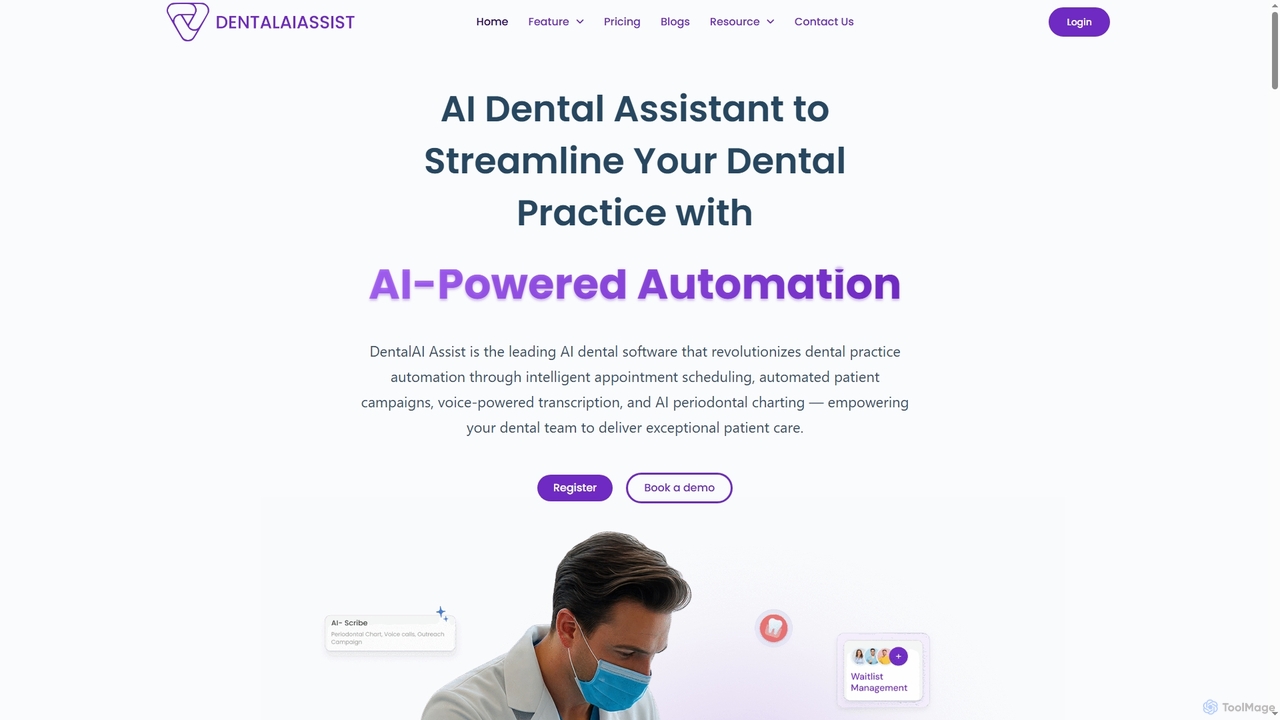
AI Appointment Scheduling tools are intelligent platforms that automate and optimize the process of booking, managing, and confirming appointments using artificial intelligence. These tools leverage AI to analyze availability, client preferences, and resource allocation, streamlining the entire scheduling workflow. They significantly enhance customer service by providing a seamless booking experience, reducing administrative burden, and minimizing no-shows, thereby improving operational efficiency within the broader customer service ecosystem.
Core Features
- Automated Booking & Self-Service: Enable clients to book, reschedule, or cancel appointments 24/7 without human intervention.
- Intelligent Calendar Synchronization: Real-time integration with multiple calendars (Google, Outlook) to prevent double bookings and show accurate availability.
- Automated Reminders & Notifications: Send personalized reminders via email, SMS, or app to reduce no-shows and keep clients informed.
- Resource & Staff Management: Efficiently allocate specific staff members, rooms, or equipment based on service type and availability.
- Customizable Booking Flows: Tailor the scheduling process with custom forms, service options, and branding to match business needs.
Use Cases
These tools are widely adopted across service-based industries. Healthcare providers use them to manage patient appointments and clinic resources, while consulting firms leverage them for client meeting coordination. Salons and spas benefit from automated booking for various services, ensuring optimal staff and room utilization. They are essential for any business aiming to provide a frictionless booking experience as part of their customer service strategy.
How to Choose
When selecting an AI appointment scheduling tool, prioritize its integration capabilities with existing CRM, calendar, and video conferencing platforms. Evaluate the level of customization offered for booking pages and workflows to align with your brand and service offerings. Consider scalability to ensure the tool can handle future growth in appointment volume. Finally, assess the user experience for both clients and staff, looking for intuitive interfaces and robust reporting features.